
I started retirement with $3 million. Now I’m 89 and down to $2 million. What if I get sick?
THE SO WHAT
Long-term care risk is blowing up even seemingly large retirement balances—$3 million to $2 million over a late-life window is a real burn. Fintech and benefits operators should assume customers will need products that explicitly hedge health and care shocks, not just market volatility.
READ THE SOURCE
MORE FROM THE WIRE
 Deep & Emerging Tech
Blue Owl Unveils Infrastructure Venture Catering to Data Centers
A dedicated vehicle to develop and own fiber for data centers is a bet that bandwidth and latency—not just power—are emerging constraints in the AI buildout. If you’re planning large-scale deployments, your site selection and vendor strategy now need a fiber map alongside your MW and cooling models.
 Deep & Emerging Tech
White House Quantum Summit Exclusive: America’s Commitment to a Quantum Future
A White House summit with “nearly every major” quantum stakeholder in the room is a signal that quantum is being treated as strategic infrastructure, not just research. CTOs in finance, defense-adjacent, and critical infrastructure should be tracking both post-quantum crypto timelines and where federal dollars are steering the vendor landscape.
 Deep & Emerging Tech
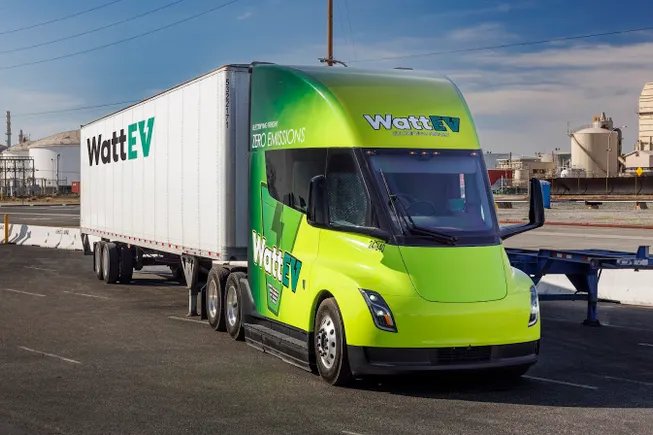
WattEV opens EV charging depot in Fresno, California
Heavy-duty EV freight only works if charging is on the lane, not just at the coasts—Fresno fills in a critical Central Valley node. If you run regional fleets in California, start modeling route economics assuming depot-style charging is available on more north–south corridors within 12–24 months.
 Deep & Emerging Tech
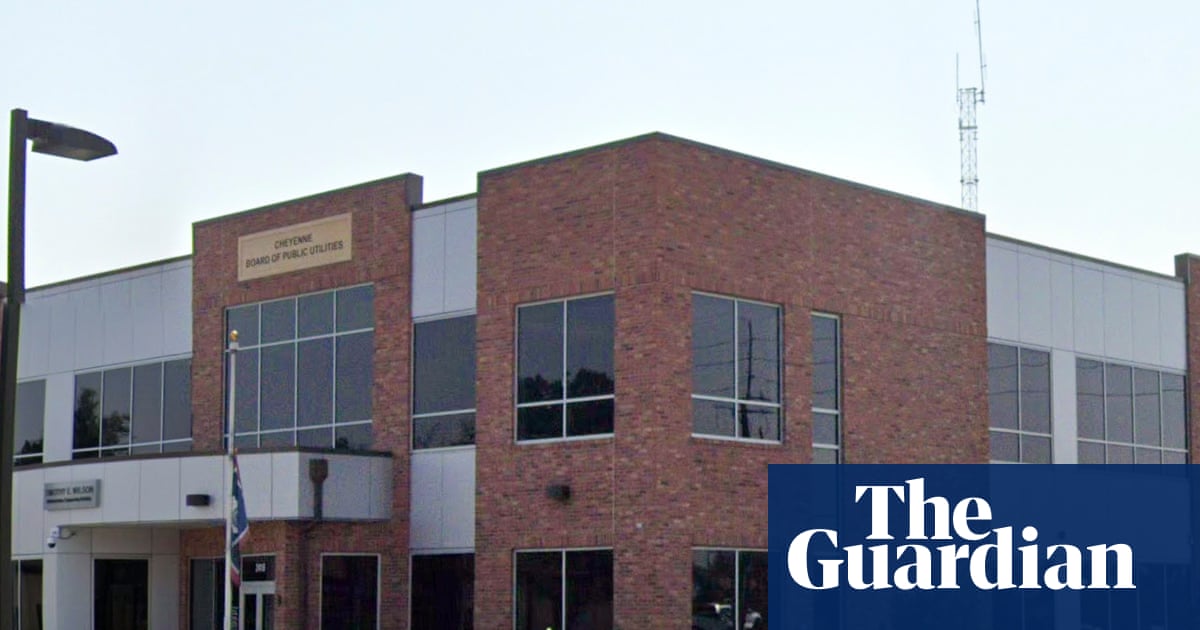
Wyoming tightens wastewater rules after Meta datacenter contractor flushed contaminated water
AI datacenters are colliding with local water politics—one contractor incident just triggered tighter statewide wastewater rules. If you’re planning high-density compute, treat water handling and contractor oversight as first-class permitting risks, not afterthoughts.