

I Trained a Fly’s Brain to Generate WIRED Story Ideas
THE SO WHAT
Treat this as an early, weird proof that biological circuit maps are becoming a design space for computation. If you’re building in AI or neurotech, the line between “model architecture” and “biology-inspired system” is going to blur faster than your governance and ethics frameworks are ready for.
READ THE SOURCE
MORE FROM THE WIRE
 Deep & Emerging Tech
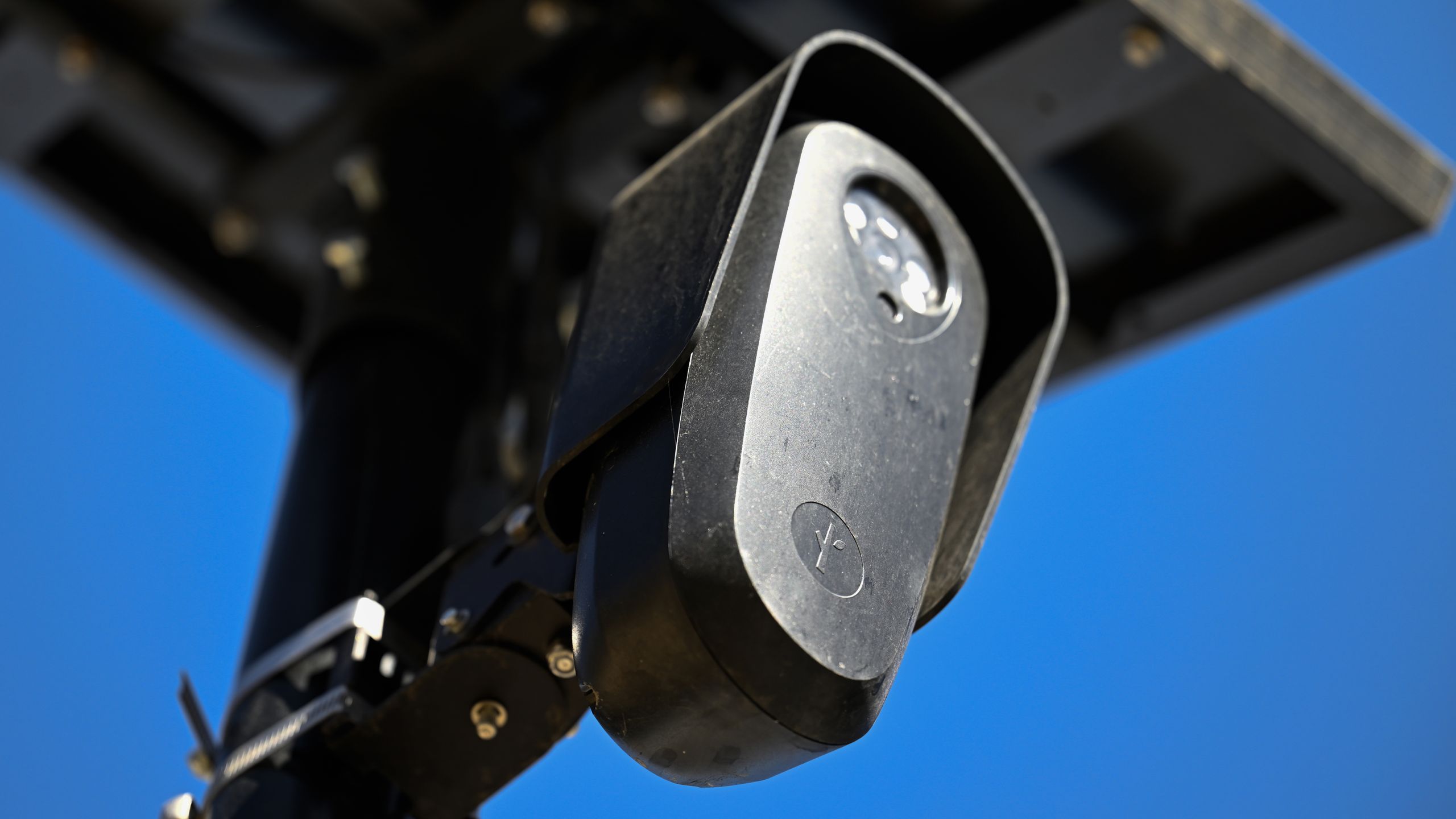
Hackers found Flock cameras can track more than just cars — and Boston officials found camera data was shared despite being told it wouldn’t be
ALPR-style camera networks are turning out to be general-purpose tracking grids, and the Boston case shows how quickly trust evaporates once data use diverges from promises. If you deploy smart cameras, assume adversarial teardown and public records scrutiny — log exactly what you collect, how it’s shared, and who can prove it.
 Deep & Emerging Tech
Banks Line Up $22 Billion Chip Loan Tied to Blackstone, Alphabet
A $22 billion syndicated loan for Crux AI’s chips means AI compute is now financed like power plants and airports — long-dated, asset-backed, banked by consortia. If you’re planning large-scale AI infra, start thinking in project finance terms and expect your lenders to underwrite power, utilization, and resale value, not just cloud invoices.
 Deep & Emerging Tech
New Starlink partnership to bring phone service to remote U.S. areas
Starlink + Ooma turning satellite internet into landline-style phone service shows how quickly rural connectivity gaps can be backfilled without telco buildout. If your product assumes “offline” U.S. users, shorten your timeline — remote markets may come online faster via satellite than fiber or 5G.
 Deep & Emerging Tech
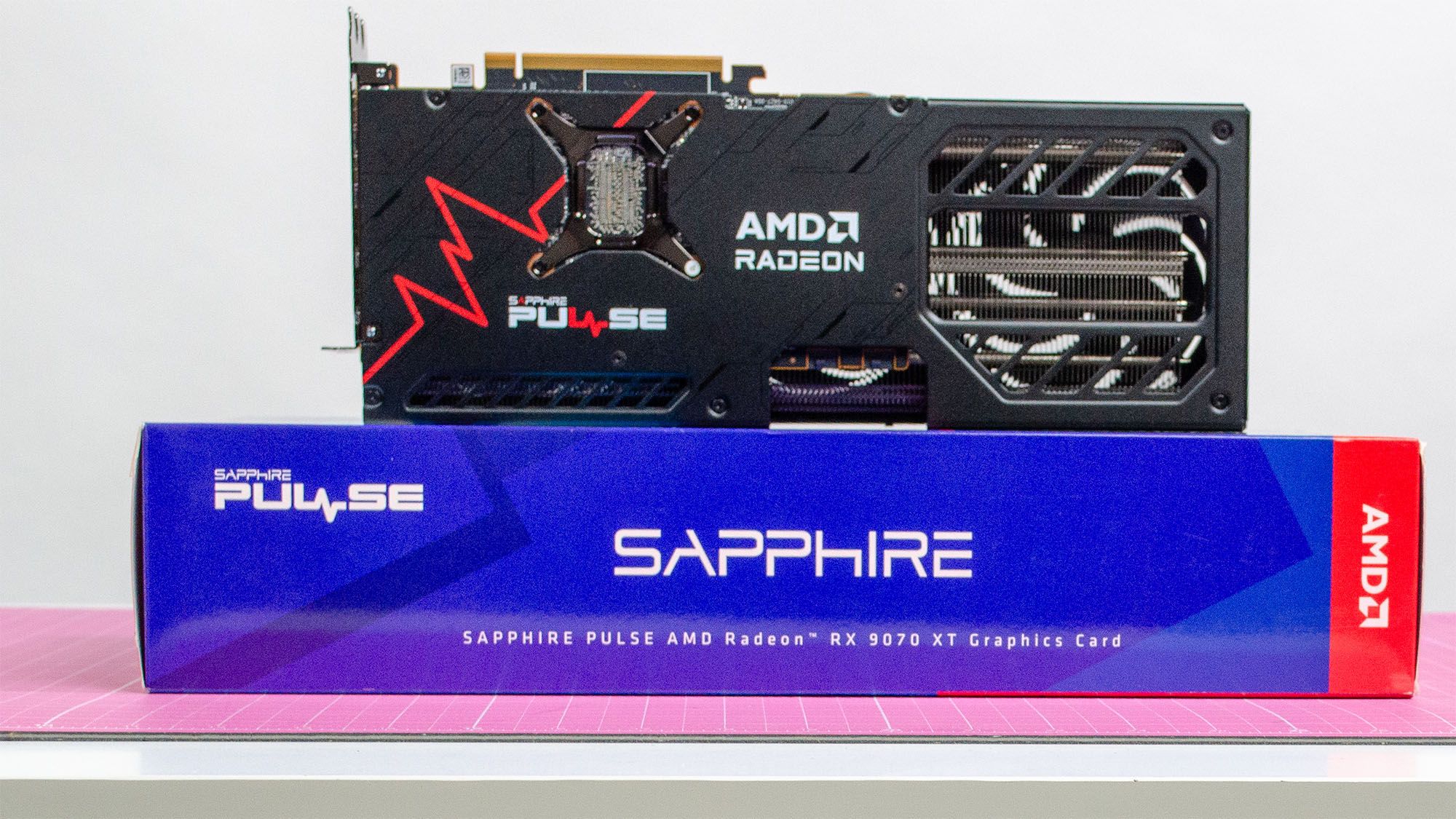
AMD could be working on an Nvidia DLSS 5 rival, but it'll be for next-gen RDNA 5 GPUs — and I've a feeling that may be too late
If AMD’s DLSS 5-class upscaling only lands with RDNA 5, Nvidia’s software moat around existing install bases deepens. For teams building graphics-heavy or on-device AI experiences, vendor lock-in is increasingly about feature timelines, not raw FLOPs.