
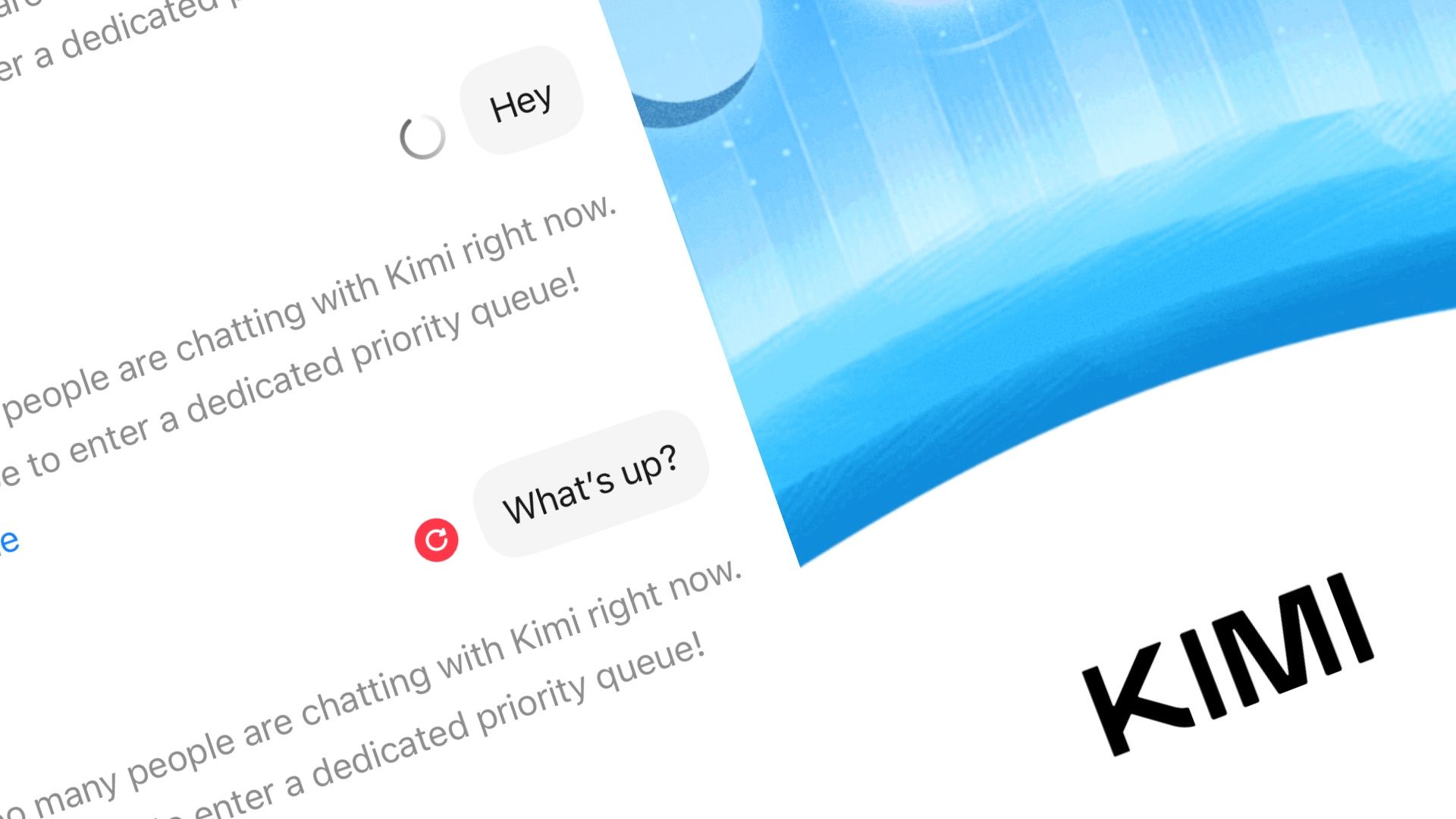
I tried to test China’s newest ChatGPT rival but couldn’t get in — and it exposed the next big problem facing the major AI players
THE SO WHAT
Access friction — signups, waitlists, regional locks — is becoming as strategic as raw model quality. For global teams, the practical question is shifting to “which models can my users reliably reach and integrate” rather than “who has the best demo on paper.”
READ THE SOURCE
MORE FROM THE WIRE
 Applied AI
PSA: Your Claude shared chats and Artifacts may have ended up on Google
If "share" links can leak into Google, your AI workspace is effectively a public repo unless proven otherwise. Treat every assistant feature that generates a URL as a potential data exfil path and get your security team reviewing crawler controls and link hygiene this week.
 Applied AI
Private Claude Chats Exposed in Google and Bing Search Results
Search engines surfacing ostensibly private Claude chats shows how brittle "private by obscurity" really is once sharing and crawlers mix. If teams are using AI assistants for anything sensitive, you need explicit policies on link sharing, robots controls, and log retention—not just trust in defaults.
 Applied AI
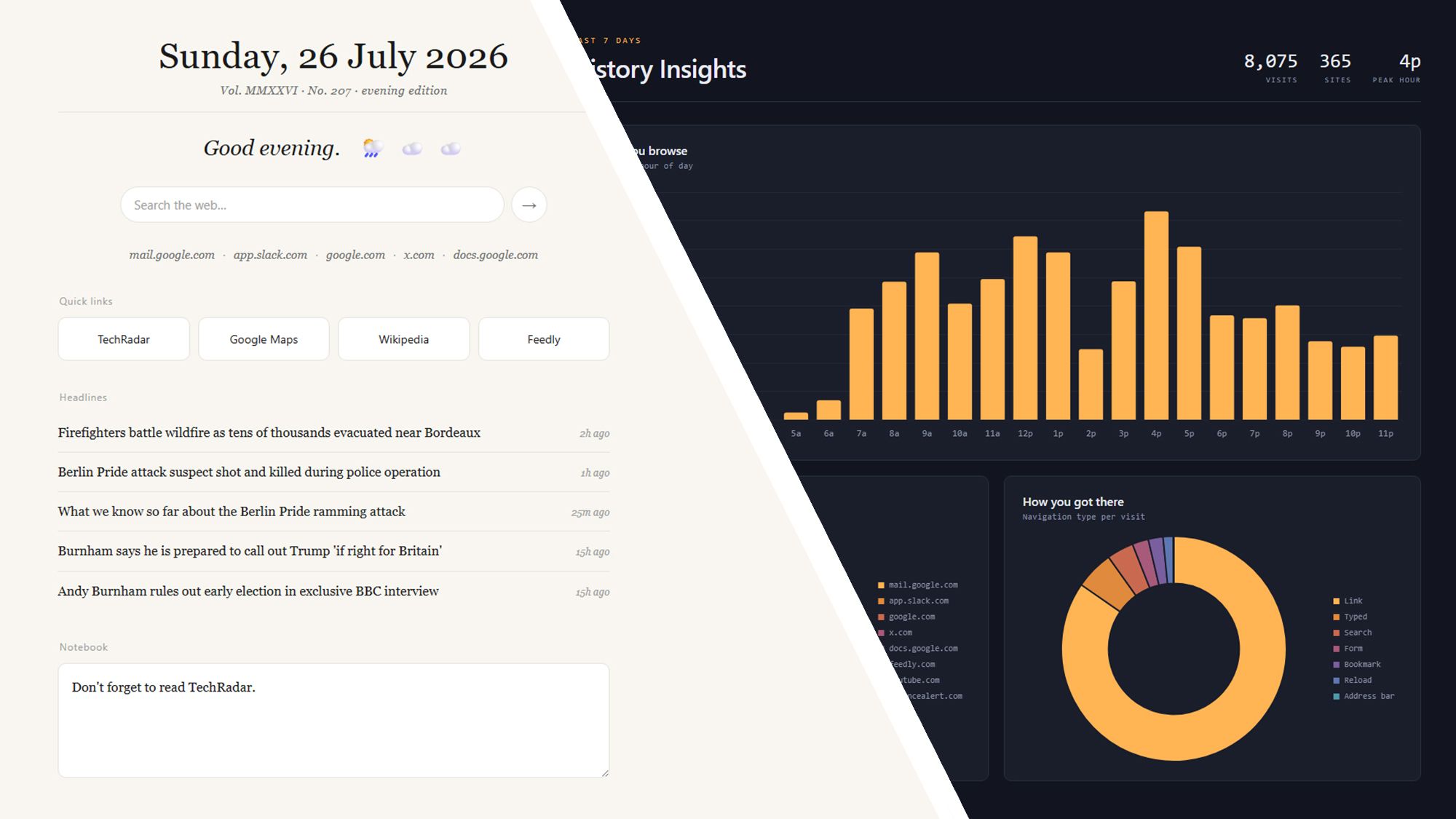
Can’t find the Chrome extension you want? I used Claude to make me two personalized ones — and they’re working flawlessly
If a non-specialist can spin up working Chrome extensions via Claude, the constraint on custom tooling shifts from engineering capacity to idea flow and review. Teams should start treating "micro-extensions" as disposable UX for internal workflows and build a lightweight security review lane to match.
 Applied AI
Microsoft built an agentic security system with red, blue, and green team AI agents. It enters public preview August 3.
Coordinated red/blue/green AI agents turn security from periodic testing into continuous simulation. CISOs should be asking how to plug their telemetry and playbooks into this kind of looped system now, before attackers start benefiting from similar automation at scale.