
I used to feel embarrassed about graduating from a trade school. But now my career is safe from AI.
THE SO WHAT
The perceived AI risk map in labor markets is diverging from the actual one—hands-on, credentialed trades are gaining relative status as white-collar automation anxiety rises. Workforce planning should assume more friction hiring mid-level knowledge workers than skilled technicians over the next cycle.
READ THE SOURCE
MORE FROM THE WIRE
 Tech & Innovation
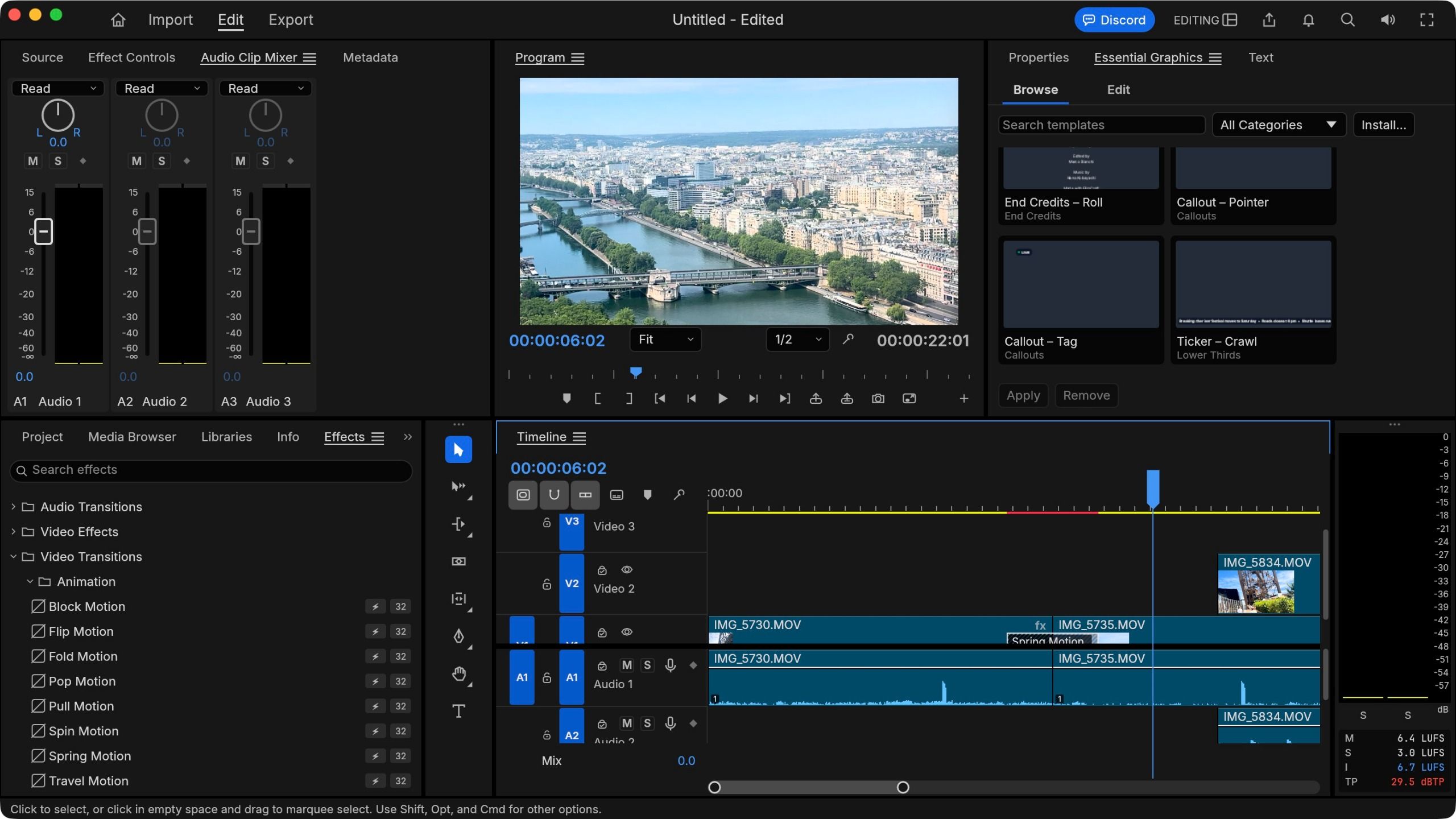
One dev is recreating 7 Adobe apps in Rust for free — so I tested it out
A solo developer cloning seven Adobe-grade tools in Rust is another data point that the cost of building complex creative software is collapsing. If you sell horizontal tools, assume credible open alternatives will appear faster than your next pricing cycle and lean harder into ecosystem, content, and workflow lock-in.
 Tech & Innovation
Peak Design's tiny magnetic tripod has changed how I film and watch content on my phone
Small hardware that stabilizes phones for creation is leverage on the content firehose — more hands-free capture means more video in every workflow. If your product depends on UGC or field documentation, assume capture volume keeps rising and invest in ingestion, search, and rights management, not just apps.
Tech & InnovationWhy Nvidia’s stock is dodging the AI credit scare that is crushing Broadcom and Oracle
Markets are starting to distinguish between pure AI picks-and-shovels and vendors exposed to overextended AI customers. If your revenue is tied to AI buildout, expect investors and lenders to interrogate customer quality, contract duration, and exposure to a credit unwind, not just top-line growth.
Tech & Innovation‘What you don’t know is greater than anything you do know’: How Ray Dalio would build a portfolio to withstand a popping AI bubble
Institutional money is openly gaming out an AI bubble pop — shifting toward inflation hedges and underappreciated AI beneficiaries. If you're raising or planning capex on an AI story, assume more scrutiny on cash flows, cyclicality, and exposure to a sentiment reversal over the next 12–24 months.