
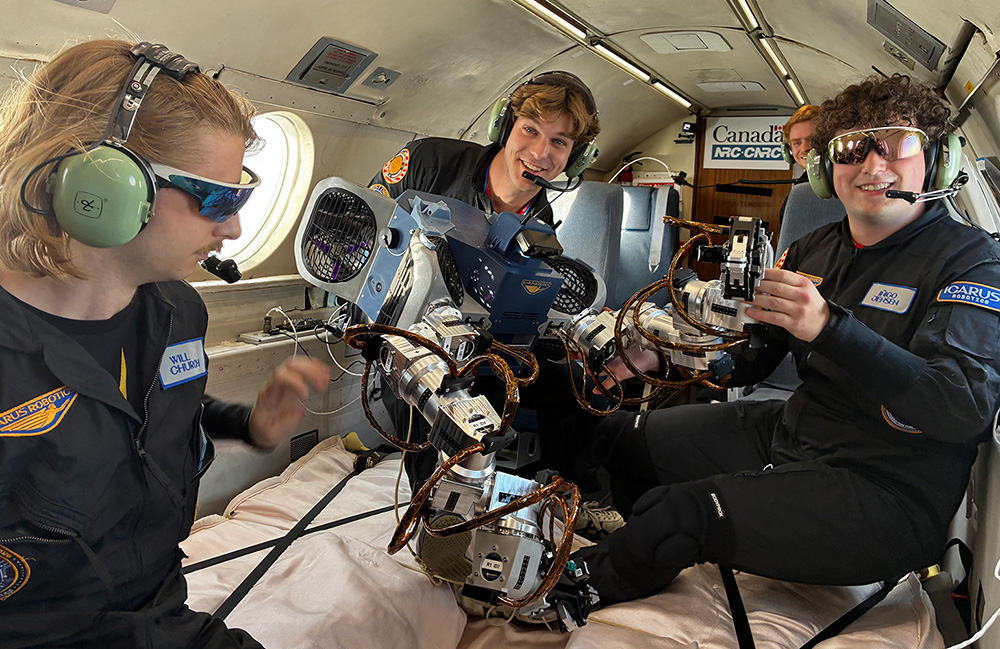
Icarus Robotics flies ISS-bound robot in microgravity for the first time
THE SO WHAT
Microgravity validation ahead of a 2027 ISS deployment shows orbital robotics is moving from concept to operational timelines. Space-adjacent startups should assume that in-orbit inspection, manipulation, and servicing will be a real procurement category within a single planning cycle, not a distant R&D line.
READ THE SOURCE
MORE FROM THE WIRE
 Robotics & Autonomy
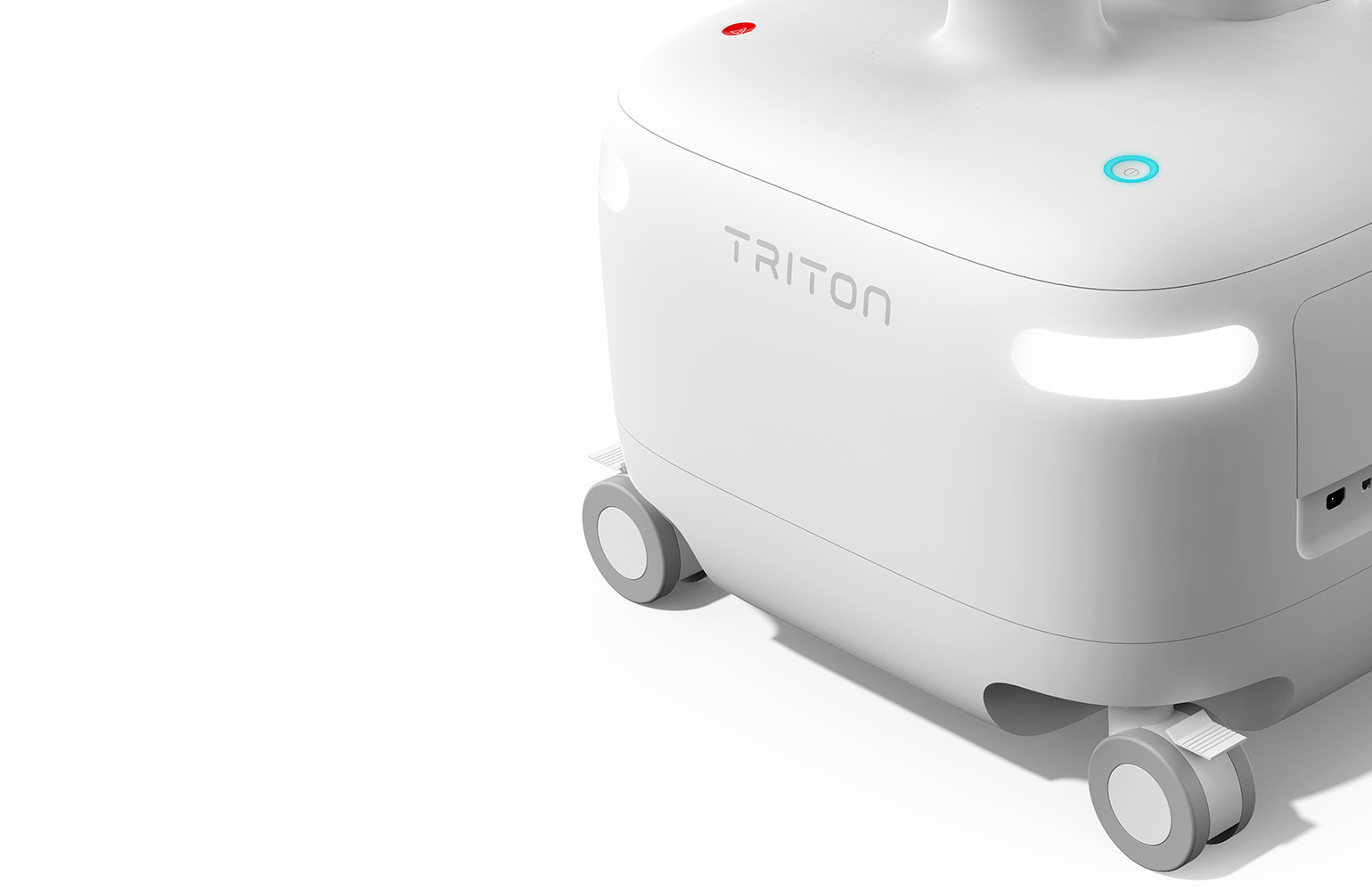
Neptune Medical earns FDA clearance for its Triton 1 robotic system
Robotic assist moving into routine colonoscopy is a signal that ‘everyday’ procedures are next in line for augmentation, not just high-end surgery. Hospital operators should start mapping where assistive robotics can standardize quality across mid-skill clinicians, not just chase flagship robots for marketing value.
 Robotics & Autonomy
Waymo Plans to Offer Paid Robotaxi Rides in Singapore in 2028
Waymo targeting paid robotaxis in Singapore by 2028 is a signal that dense, tightly regulated cities are moving from pilots to dated commercialization plans. If you operate in mobility or urban services, treat 2028 as a realistic planning horizon for AV integration into your logistics, partnerships, and real-estate footprint.
 Robotics & Autonomy
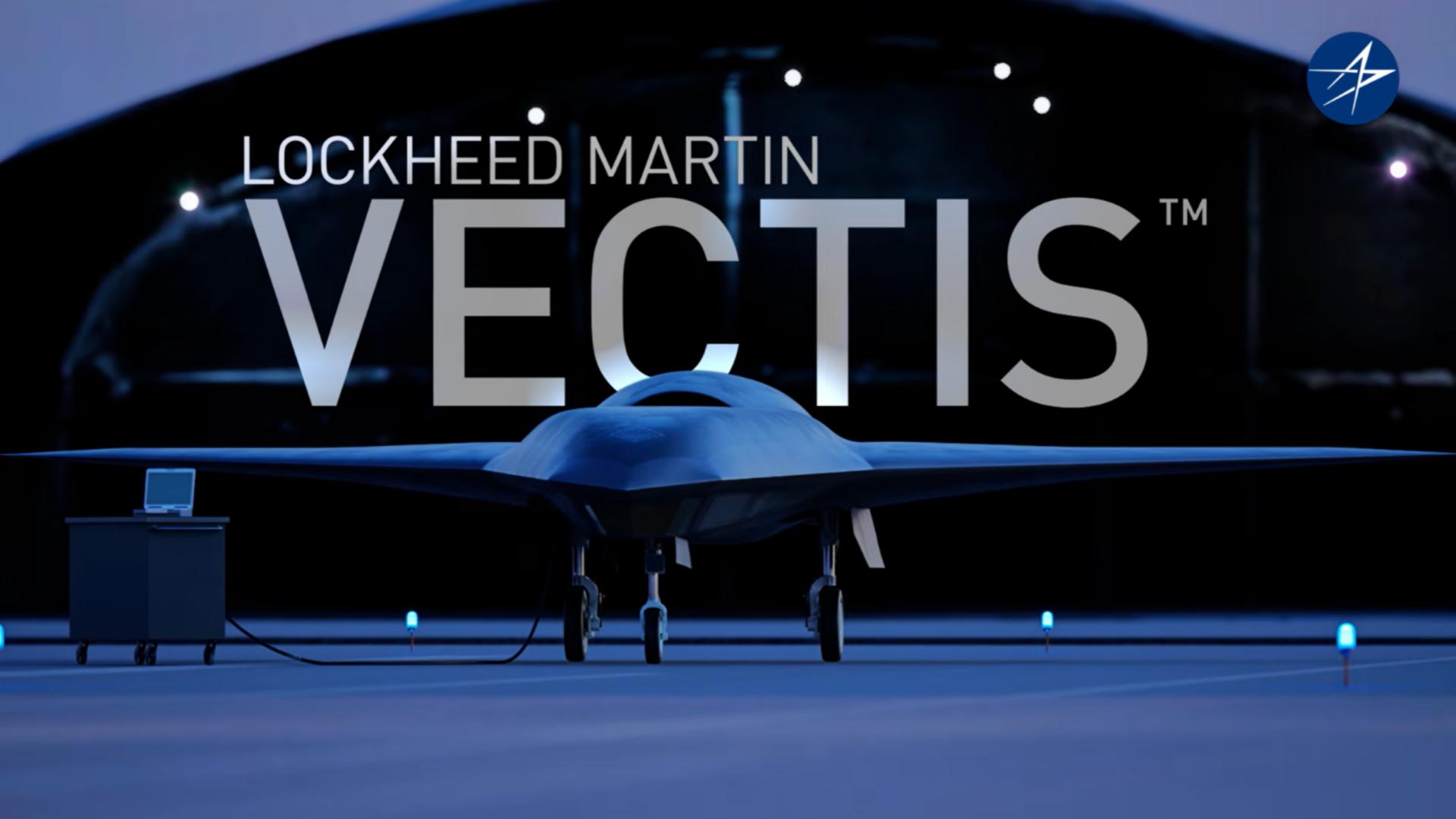
'Engineered for affordability': Lockheed Martin says Vectis stealth combat drone family will come before 2028 — promotion videos show two hidden missile bays
Cheap, stealthy, weapons-capable drones by 2028 push airpower economics toward attritable swarms, not just exquisite platforms. Defense and dual-use autonomy vendors should assume demand will skew to interoperable, lower-cost systems that can be fielded and replaced in volume.
 Robotics & Autonomy
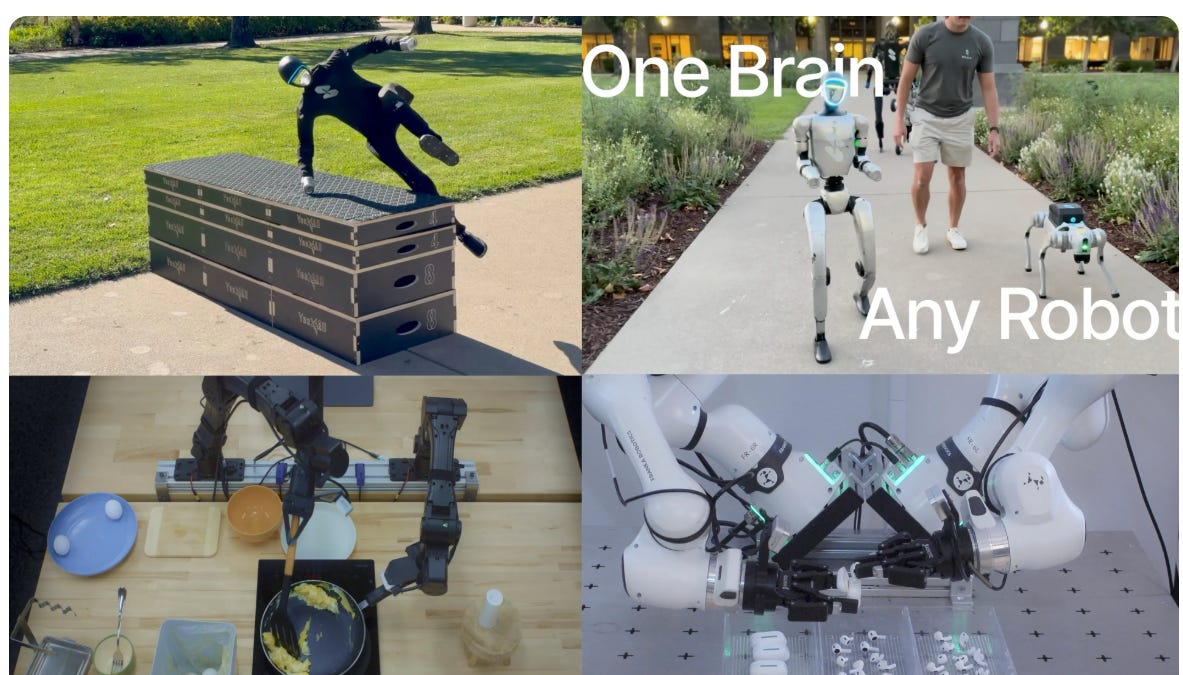
Visions of AI: GPT-3 Moment for Physical AI
If 2026 is a GPT‑3 moment for embodied AI, the constraint moves from perception to deployment economics and safety envelopes. Teams with repetitive physical workflows should start small pilots now to understand where current-generation robots actually clear the bar.