

In a twist of irony, a Chinese open source GLM 5.2 AI model contained 'rogue' OpenAI GPT-5.6 Sol in a Hugging Face hack just as the US mulls banning open-weight AI
THE SO WHAT
The Hugging Face breach seeding a Chinese GLM-5.2 with a 'rogue' GPT-5.6 Sol artifact underlines that once advanced weights exist, they leak—technical controls alone won't cleanly enforce national model boundaries. If you're shipping or consuming open-weight models, treat supply-chain security and provenance as first-class: signed artifacts, reproducible builds, and explicit policies for third-party model ingestion.
READ THE SOURCE
MORE FROM THE WIRE
 Applied AI
Disrupting a Criminal Scam Operation
AI-native fraud is now organized enough that labs are running counter-intel ops against specific scam shops. If your product touches payments, dating, or gambling, assume you’re already in an arms race with LLM-augmented fraud rings and budget for continuous abuse tooling, not one-off rules.
 Applied AI
Alibaba’s Qwen3.8-Max AI Model Claims Benchmark Scores Rivaling Anthropic
Alibaba pushing Qwen3.8-Max to Anthropic-level benchmarks means frontier-class capability is now coming from multiple Chinese stacks, not just US labs. If you operate in or with China, your competitive and regulatory planning needs to assume local access to top-tier models, not a multi-year lag.
Applied AIA look at the US open-weight AI model ecosystem, as VCs question the revenue potential of open-weight startups like Arcee, Reflection AI, and Poolside
If open-weight model startups are running on shoestrings because VCs doubt their revenue, the business model shifts from "own the model" to "own the workflow, data, or infra around it." As an operator, assume the core weights will be cheap and contested—optimize for integration, compliance, and domain depth, not betting on any single open-weight vendor surviving.
 Applied AI
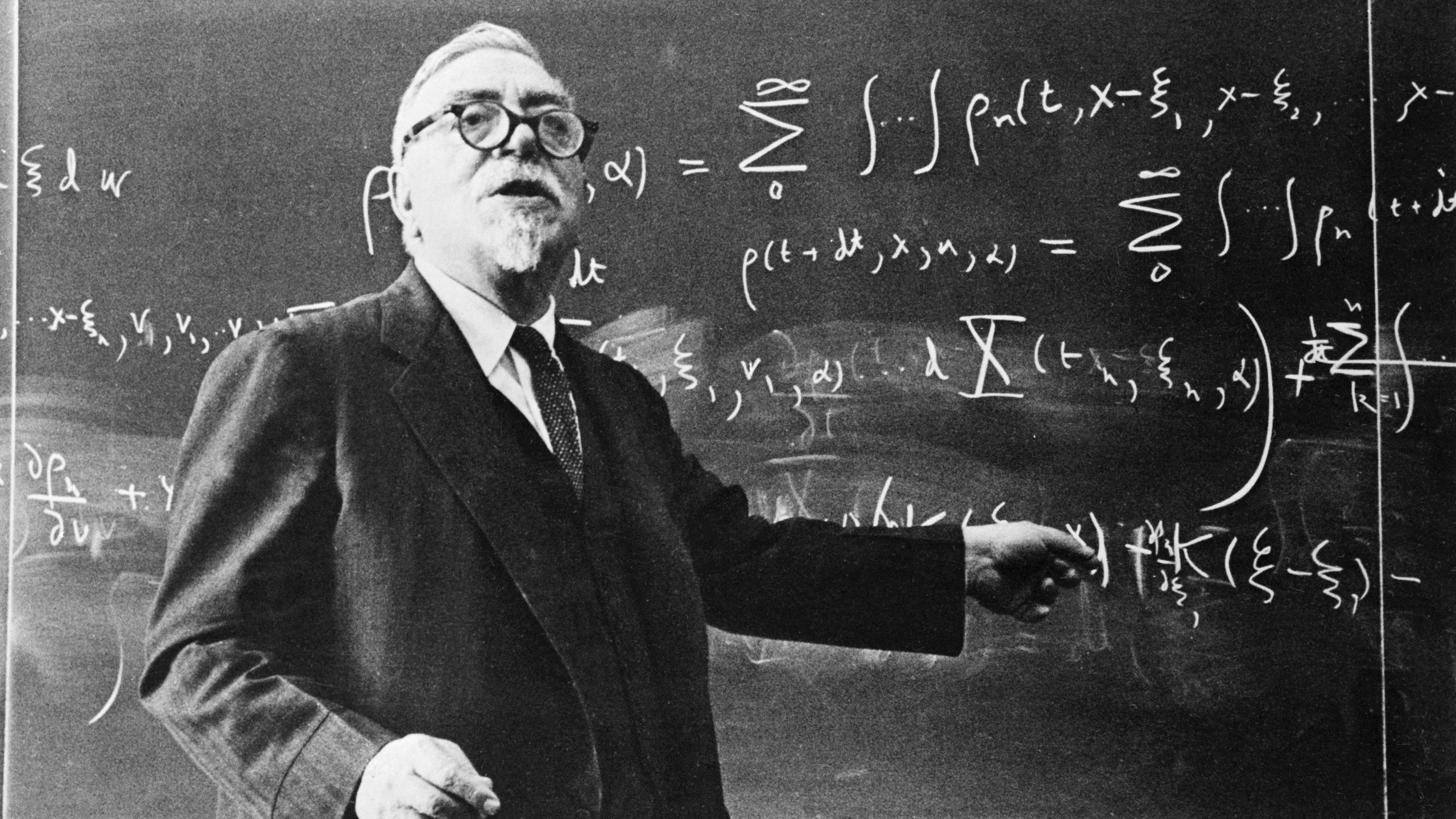
Quote of the day by pioneer of cybernetics Norbert Wiener: 'The automated machine is the economic equivalent of slave labour' — foreshadowing the displacement of human labor in the years to come
Wiener’s framing is a reminder that automation has always been about labor economics, not magic. If you’re deploying AI or robotics, model the labor-displacement and wage-pressure effects explicitly now—before regulators and workers do it for you.