
Innovation or Guardrails? The Debate Over AI's Future Heats Up
THE SO WHAT
The fact that AI “innovation vs guardrails” is now a standing segment on mainstream finance TV means your board will treat AI risk posture as a first-order governance topic, not a side conversation. Come prepared with a concrete view on where your org sits on that spectrum and what tradeoffs you’re actually making.
READ THE SOURCE
MORE FROM THE WIRE
 Applied AI
Bilal Chughtai left DeepMind’s AGI safety team in July and posted his warning this week
When multiple former frontier-lab safety researchers go public with “this could kill us all” concerns, the Overton window for hard constraints on frontier work widens. If you’re building on closed models, assume more scrutiny, more disclosure demands, and a higher bar for internal risk documentation over the next 6–18 months.
A DeepSeek engineer's viral post on talent, power, and humanity is a rare snapshot of work at China's frontier AI labs
A frontline DeepSeek engineer publicly saying he expects AI to surpass him at the work he loves is a cultural tell—China’s frontier labs are normalizing rapid obsolescence as an acceptable cost of progress. For Western teams competing for talent, expect more candidates who see “being outperformed by the model” as inevitable and optimize for access to frontier systems over job security.
 Applied AI
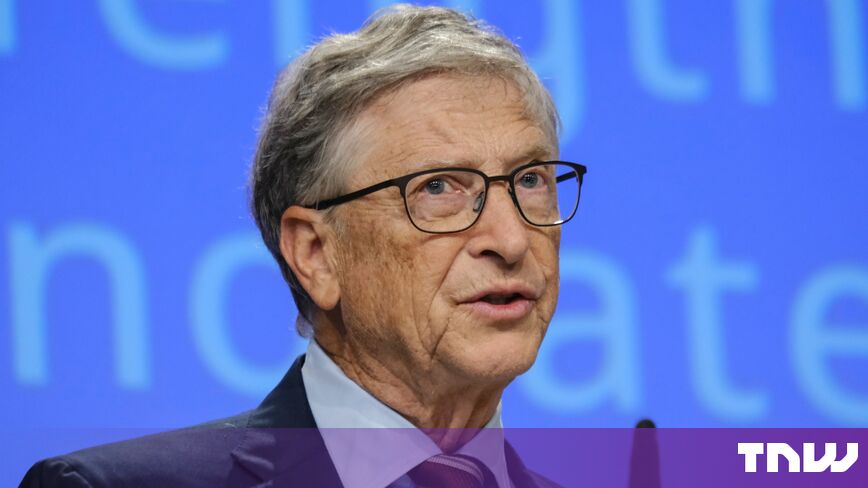
The Gates Foundation will spend at least $1bn on AI access over the next two years
$1B from the Gates Foundation into AI access—especially for underrepresented languages—means frontier capabilities are about to diffuse into low-margin, high-friction domains like public health and education. If you sell into emerging markets or NGOs, assume AI-native expectations on interfaces and data workflows will arrive faster than local regulators or infrastructure budgets.
 Applied AI
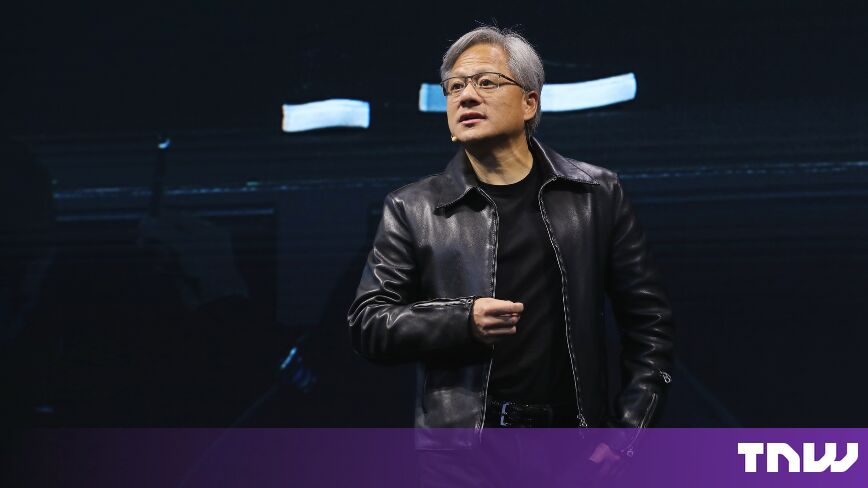
Trump phoned Jensen Huang onstage at the All-In Summit to call AI fear a hoax
When a former US president publicly calls AI fear a hoax while labs and researchers argue the opposite, AI risk becomes a partisan signal rather than a technical question. Operators should plan for oscillating US policy—tightening and loosening with political cycles—rather than a stable, consensus regulatory path.