
'Instinct becomes the backup plan instead of the default': How marketers can beat data overload to make better decisions
THE SO WHAT
Marketers drowning in dashboards are rediscovering that more data without decision structure just elevates noise—“instinct as backup” only works if you’ve pre-defined what good looks like. The practical move is fewer, owned metrics and clearer kill/scale thresholds, not another attribution tool.
READ THE SOURCE
MORE FROM THE WIRE
 Tech & Innovation
Temu owner PDD reports Q2 revenue up 8.1% YoY to ~$16.72B, missing estimate of ~$17.17B, net profit down 12% YoY to ~$4.04B, above ~$3.63B estimate
PDD growing revenue 8.1% while profits fall 12% under pressure from livestreaming and social commerce shows how fast the e-commerce demand surface is fragmenting. If you sell into retail or brands, budget more for channel experimentation and less for single-platform dependence—customer acquisition is becoming a multi-front AI- and content-driven game.
 Tech & Innovation
Trump warns communities opposed to data centers are “making a mistake” — but Texas Gov. Greg Abbott data centers “got the backlash they deserve”
Data centers are now a visible political fault line—national leaders framing them as opportunity while local leaders respond to backlash on power, water, and land use. If you rely on large-scale compute, start mapping siting risk like you would supply-chain risk: permitting timelines, community sentiment, and policy swings can hit your capacity plans as hard as chip shortages.
 Tech & Innovation
Your competition for cheap RAM: Massive swarms of scalper bots
Scalper bots hoovering up cheap RAM repeat the GPU playbook—consumer and small-firm access to key components is now structurally adversarial. If your roadmap depends on commodity hardware pricing, assume volatility and consider pre-buy, trusted channels, or cloud-based alternatives rather than “we’ll grab it when it’s on sale.”
 Tech & Innovation
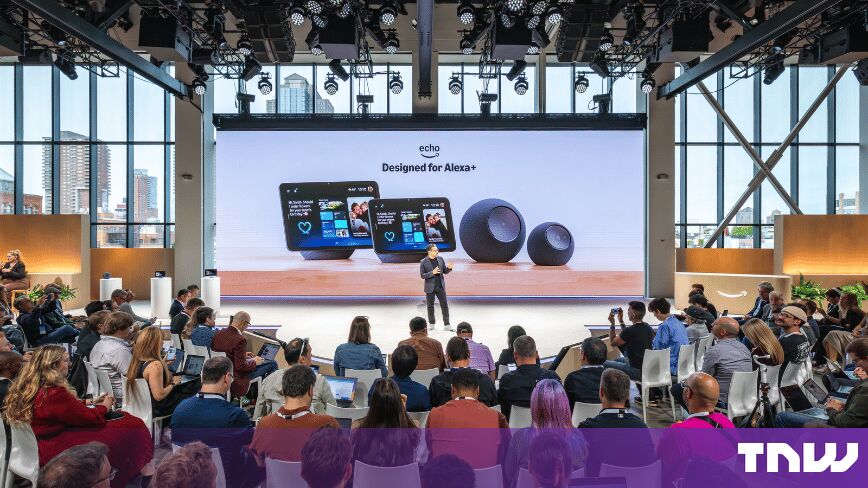
Amazon raised its device prices by up to 60% overnight
A quiet 60% overnight hike on Amazon’s cheapest devices—tied in part to memory costs—shows how fast hardware economics can move under AI-era component pressure. If you’re building on consumer devices for distribution or data, recheck your assumptions on installed base growth and total cost of ownership this quarter.