
Is it legal to train AI models on copyrighted books? It’s complicated
THE SO WHAT
The legal gray zone around training on copyrighted books keeps a liability overhang on foundation models built from web-scale corpora. If you’re shipping on top of third-party models, contract for indemnity explicitly and maintain an exit path to alternative providers or first-party models.
READ THE SOURCE
MORE FROM THE WIRE
 Applied AI
OpenAI wants California to strengthen its newly passed AI safety law
A major lab asking Sacramento to tighten SB 53 is a clear tell that large players want predictable, high-bar rules rather than a patchwork of weak ones. If you operate or sell into California, treat this as the baseline: model reporting, evals, and incident response will get more prescriptive, not less, so start documenting practices now.
 Applied AI
AI isn't killing jobs yet: Over 50% of businesses say AI is creating roles as massive upskilling push begins
Net job creation alongside a skills gap means AI is acting as a reallocation engine, not a pure cost-cutting tool. Operators should treat 2026–2028 as a training arbitrage window—teams that institutionalize upskilling now will hire cheaper and move faster than those waiting for a “steady state.”
 Applied AI
ChatGPT might soon let you lock your most sensitive chats behind a PIN or fingerprint scan, hidden code suggests
As assistants accumulate sensitive context, app-level access controls move from nice-to-have to table stakes. If you allow staff to use consumer AI tools for real work, update your policies and training to assume device-level compromise and push people toward features like chat locking wherever available.
 Applied AI
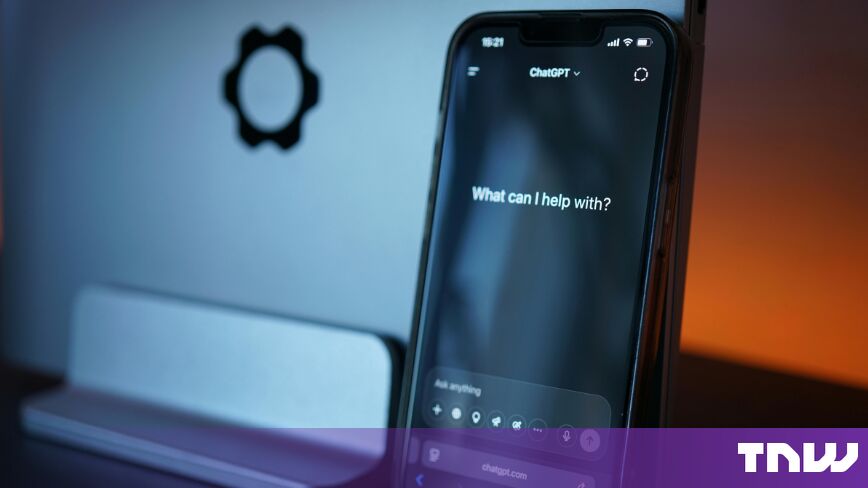
ChatGPT for iPhone now grabs your recent photos with a long press
OpenAI is quietly tightening the loop between your camera roll and its assistant—owning the “what did I just see?” use case while Apple’s own visual stack is delayed in the EU. If you’re building consumer AI, assume the default entry point is no longer text but the last few photos a user took.