
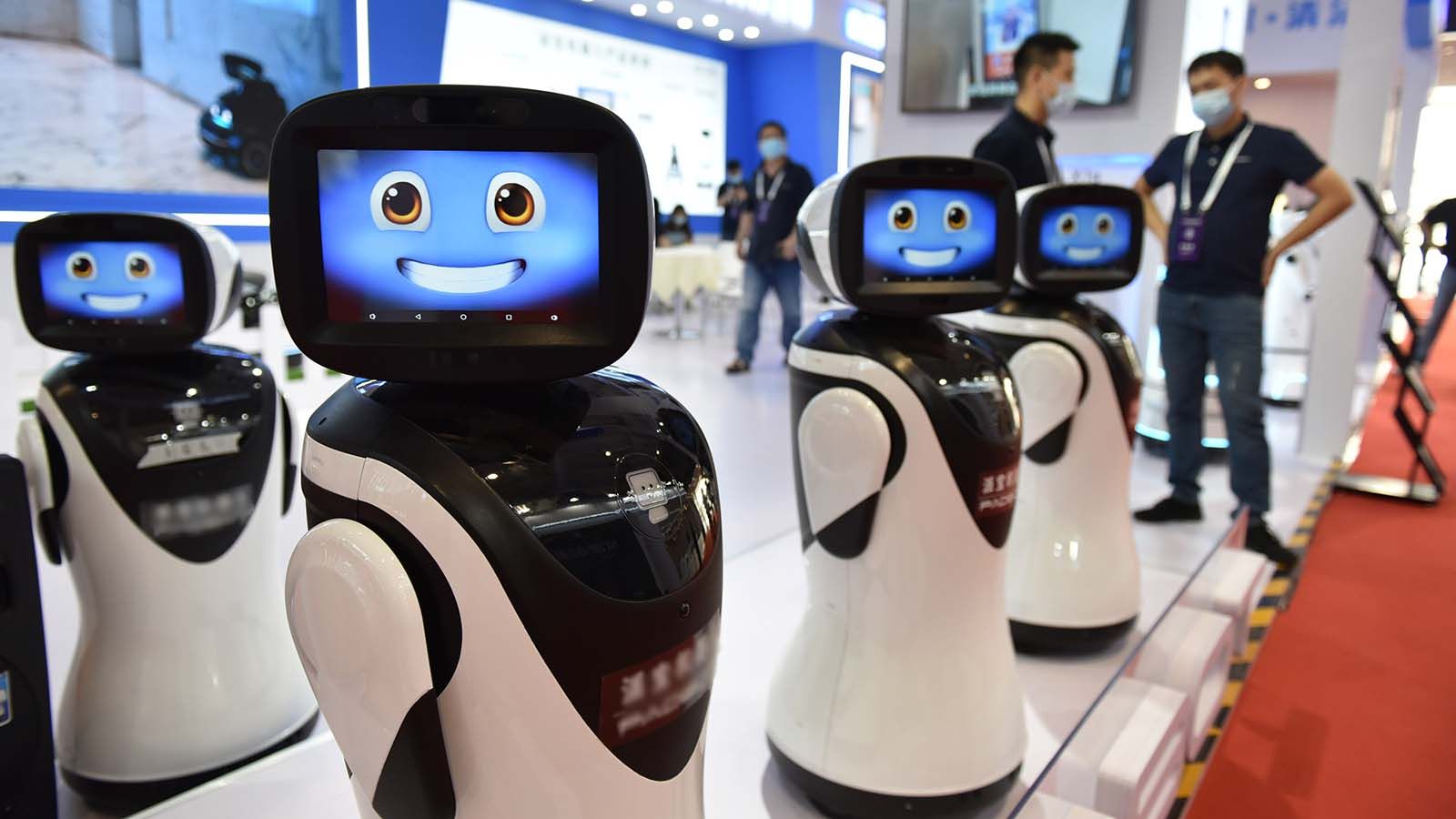
'It allows workers to experiment with the same logic their employers have been applying to them' — developers reportedly lost their jobs to an ‘AI Transformation’, so they built an AI that can replace the CEO
THE SO WHAT
An “AI CEO” is mostly theater, but it crystallizes a real shift — narrative control around who is replaceable is now a two-sided game. Leaders pushing automation narratives should assume internal teams will use the same tools to interrogate, simulate, and publicly benchmark executive decisions.
READ THE SOURCE
MORE FROM THE WIRE
 Applied AI
Source: OpenAI's Astra model uses "recurrent depth", a technique that improves cost and performance but obscures the AI's reasoning, making it harder to monitor
If Astra’s recurrent depth materially boosts cost and performance while degrading interpretability, the safety stack has to move from “understand why” to “constrain what” at the system level. For operators, that means more emphasis on sandboxing, evals, and policy guardrails around Astra deployments rather than trusting model introspection or chain-of-thought logging.
Applied AINvidia Nears $14 Billion Hugging Face Deal This Week
If Nvidia buys Hugging Face for ~$14B, it’s locking up not just models but the default open-source distribution channel and developer mindshare. Anyone building on OSS stacks should assume tighter coupling to Nvidia hardware and start mapping exposure to a more vertically integrated ecosystem.
 Applied AI
Anthropic says Fable 5.1 will cost an estimated 25% less than Fable 5 for typical workloads and up to 45% less for highly agentic work
Anthropic cutting Fable 5.1 costs by ~25% for typical use and up to 45% for agentic workloads is direct pressure on anyone pricing agents as a premium SKU. If you’re piloting agents, re-run your unit economics this week—what looked marginal at Fable 5 pricing may now clear the bar.
 Applied AI
Anthropic reveals its view of how AI agents should interact with the physical world
A common Model Hardware Standard for labs, robots, and other machines is an attempt to turn physical control into an API surface, not a bespoke integration problem. If you run hardware fleets, you should assume agent vendors will push toward this abstraction layer and start mapping which of your devices could plug in cleanly versus which remain custom.