
I've been a trucker for nearly 5 decades. AI made the job safer, but autonomous trucks still need to prove themselves.
THE SO WHAT
Frontline adoption is clear—drivers see value in AI safety aids—while full autonomy is still in the “prove it” phase. Logistics operators should keep investing in driver-assist and telematics now, while treating fully driverless fleets as an R&D and pilot topic rather than a near-term labor plan.
READ THE SOURCE
MORE FROM THE WIRE
 Robotics & Autonomy
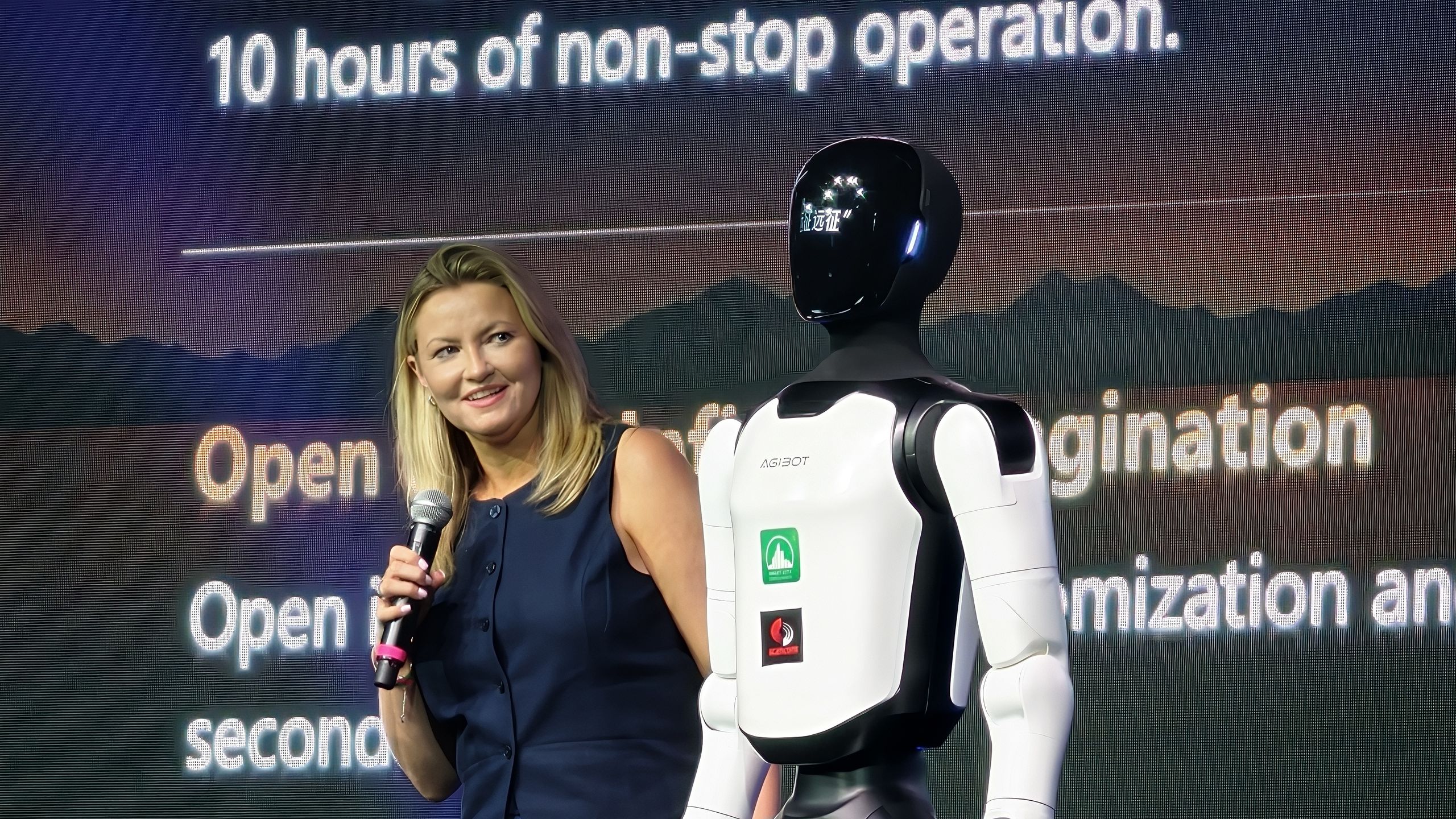
‘In some jobs, they want to be replaced’: Chinese robotics company Agibot says humanoids could take over ‘dangerous’ jobs — and one day even teach children
Framing humanoids as both safety equipment and future caregivers is an early attempt to normalize robots in high-trust roles, not just factories. If you operate in hazardous environments or labor-constrained services, you should be mapping where a general-purpose platform could displace bespoke automation over the next 3–7 years.
 Robotics & Autonomy
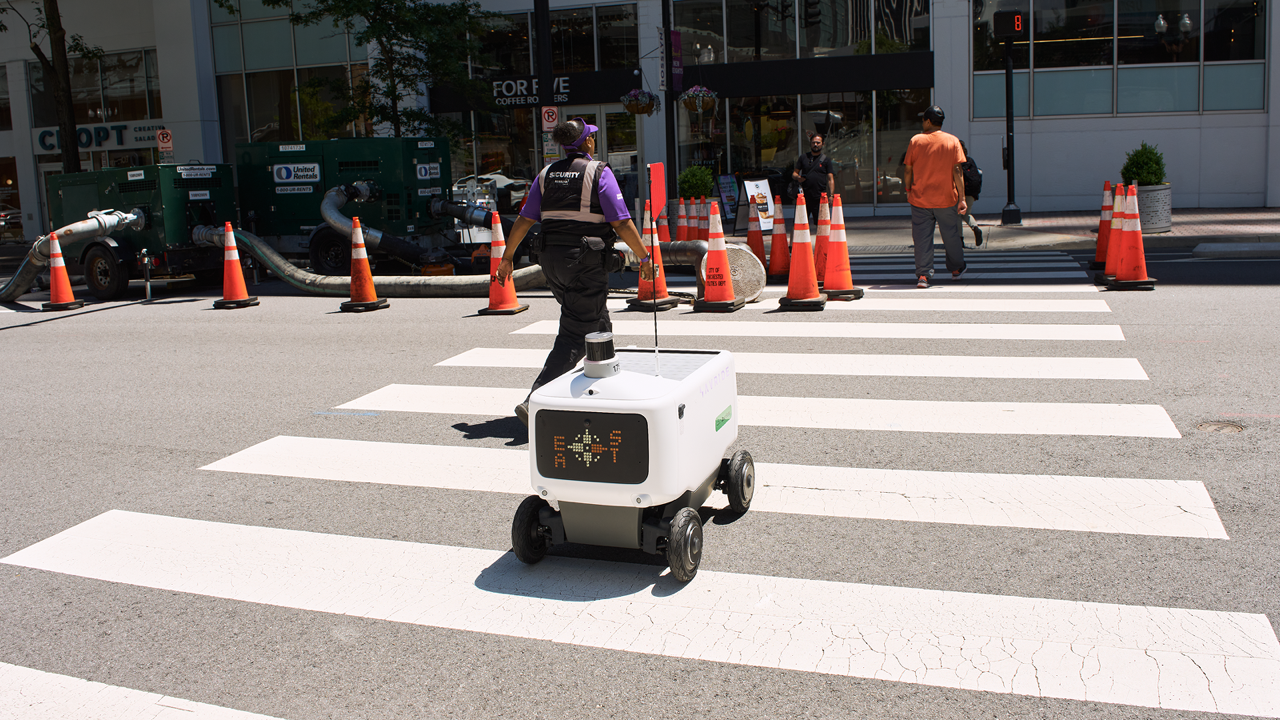
Context is king: How Avride uses cloud VLMs as a safety net for delivery robots
Using cloud VLMs as a safety net for delivery robots points to a hybrid autonomy stack — cheap onboard control with expensive, shared 'judgment' in the cloud. If you're deploying robots, design your connectivity, latency, and cost models assuming some fraction of edge decisions will be escalated to large models offboard.
 Robotics & Autonomy
Japan Pioneered Humanoid Robots—Can It Now Catch China?
Japan’s early humanoid lead is colliding with China’s scale advantage and faster commercialization cycles. If you’re betting on humanoids for factory or logistics work, vendor selection is now a geopolitical call as much as a technical one.
 Robotics & Autonomy
Oil Terminal in Russia’s St. Petersburg Comes Under Drone Attack
A drone strike on a major oil terminal underscores how cheap autonomy can now hit high-value energy infrastructure at distance. Critical facilities — even far from front lines — need to treat low-cost aerial threats as a design input, not an edge case.