

Japanese startups are racing to enter defense drone production, as Tokyo seeks to cut reliance on Chinese industrial drones, which control 91% of Japan's market
THE SO WHAT
Japan treating a 91% Chinese share of its industrial drone market as a strategic vulnerability is a reminder that autonomy hardware is now national infrastructure, not just a tooling choice. If your operations depend on foreign-origin drones or autonomy stacks, expect more localization pressure, security reviews, and procurement constraints over the next cycle.
READ THE SOURCE
MORE FROM THE WIRE
 Robotics & Autonomy
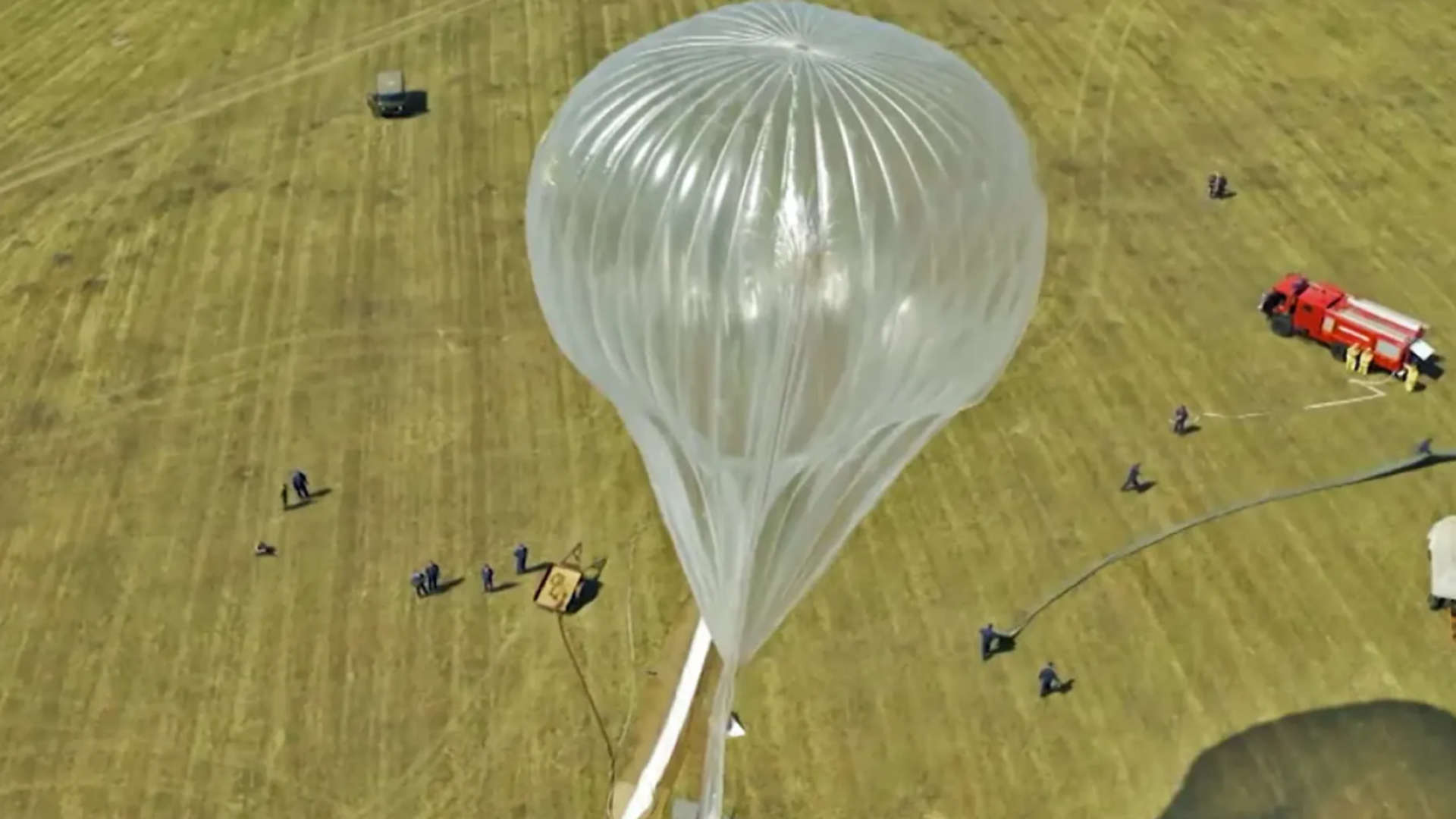
A stratospheric balloon could become a high-altitude drone carrier, capable of loitering for weeks and launching solar-powered UAVs
Persistent, balloon-based UAV carriers turn high-altitude coverage into more of a logistics and weather-modeling problem than a propulsion problem. Defense, telecom, and ISR operators should be modeling where multi-week loiter plus cheap solar drones beats satellites or crewed aircraft on cost and responsiveness.
 Robotics & Autonomy
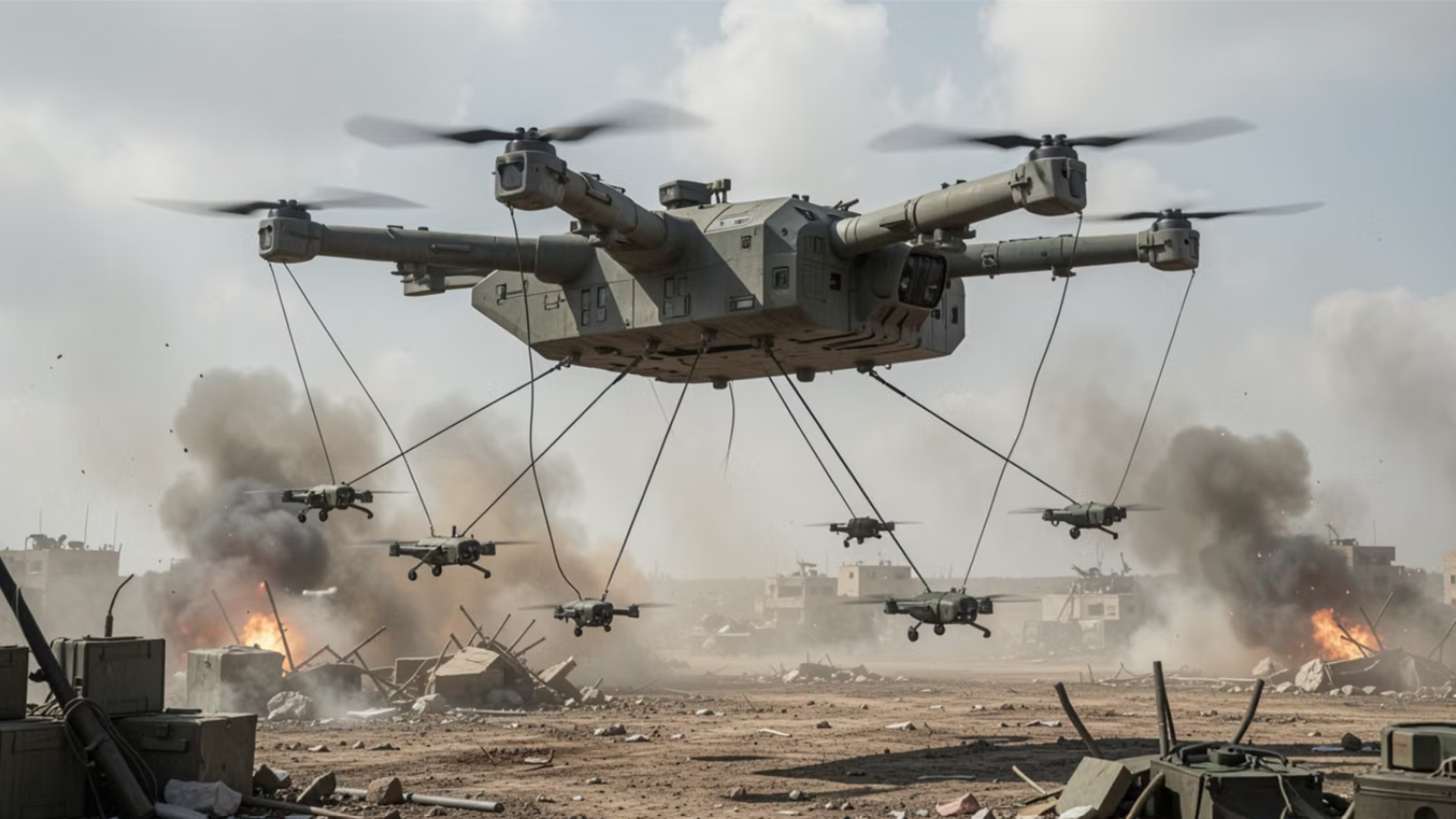
Russia is planning a tethered mother drone carrying up to six wired mini spy UAVs
Tethered 'mothership' drones that power and control multiple wired scouts trade range for persistence and jamming resistance—this is a systems architecture play, not just a new airframe. Defense and critical-infra operators should assume more resilient, layered ISR swarms are coming and pressure vendors for counter-swarm detection and EW roadmaps, not just anti-drone guns.
 Robotics & Autonomy
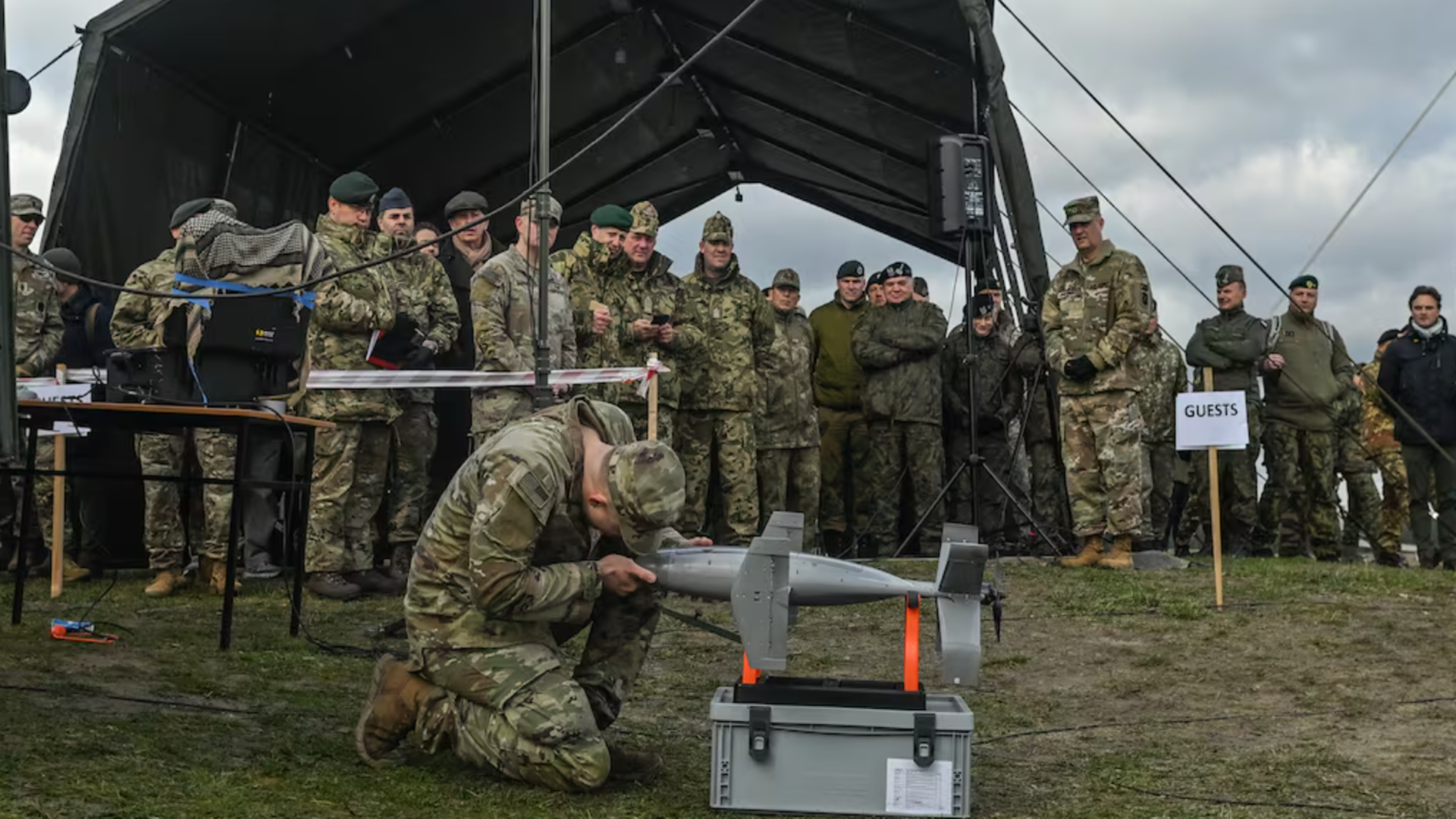
US confirms it will leverage Ukraine's expertise in military drones before competing to 'be the world champions'
Combat-proven Ukrainian drone tactics becoming part of the US playbook means the frontier for unmanned systems is shifting from hardware to rapid adaptation and doctrine. Defense and dual-use vendors should assume shorter iteration cycles and tighter feedback loops from real-world ops, not lab demos, will drive procurement.
 Robotics & Autonomy
TechCrunch Mobility: Two roads diverged — for robotaxis
Robotaxis are splitting into two regimes—highly constrained commercial corridors versus slower, regulation-heavy general deployment. If you’re building in this stack, design go-to-market and safety cases around a specific lane, not an abstract ‘AV future.’