
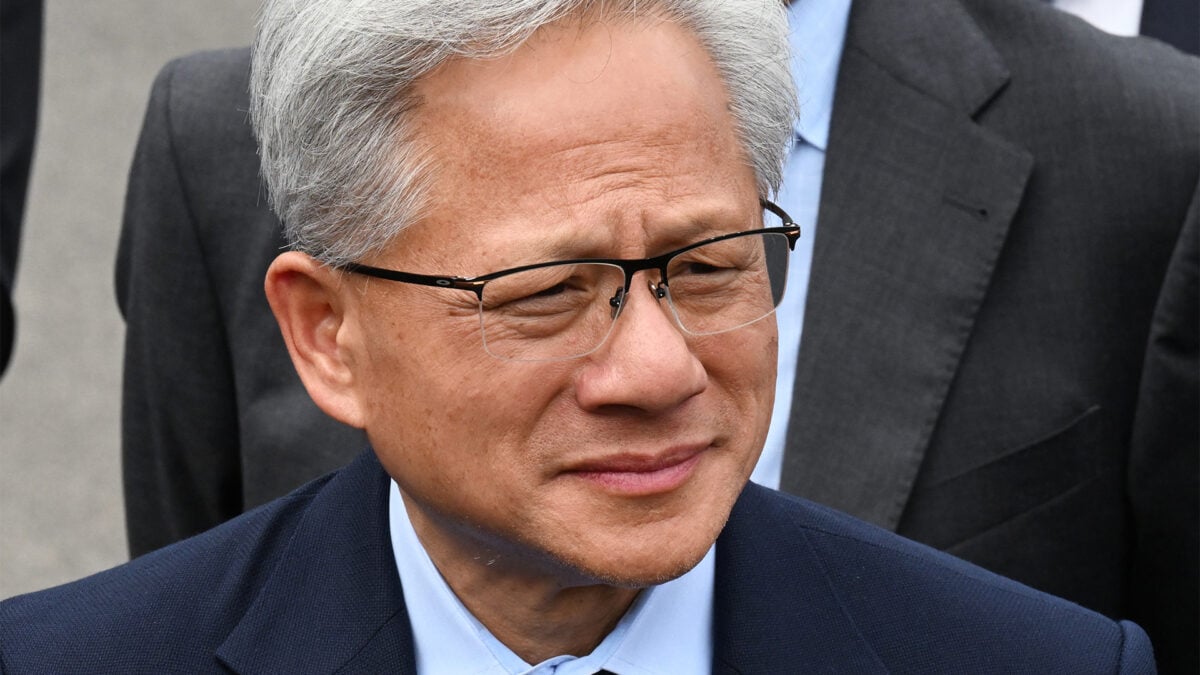
Jensen Huang's resignation caps a 33-year career, growing Nvidia from a GPU maker to AI giant; born in Taiwan, he moved to the US at 10 and owns 3.6% of Nvidia
THE SO WHAT
Huang stepping down after 33 years and still holding 3.6% of Nvidia closes an era where founder vision and capital allocation were tightly coupled. For operators building on Nvidia, the key question now is how much of that long-term, founder-style risk appetite survives under a more institutional leadership model.
READ THE SOURCE
MORE FROM THE WIRE
 Tech & Innovation
Nvidia Should 'Leave the Door Open' for Jensen Huang Return, Says Founders 100 ETF's Cassidy
Public investors openly gaming out a CEO return underscores how much of Nvidia’s perceived edge is tied to founder narrative and relationships, not just silicon. If you’re exposed to Nvidia in your roadmap, separate technology dependency from leadership dependency in your risk register.
Tech & InnovationCisco Raises Sales Guidance in Sign of AI-Fueled Momentum
Cisco beating and raising on AI networking demand means the AI capex wave is now materially lifting the broader enterprise infra stack. If you run data centers or large campuses, expect tighter lead times and pricing power on high-end switching and optics over the next 12–24 months.
 Tech & Innovation
Ok, Raise Your Hand If You Have Also Had Sex With Jensen Huang
Multiple personal-conduct stories around a flagship CEO are now a governance and continuity issue, not just tabloid fodder. If your AI strategy is anchored on a single vendor, assume leadership volatility and validate that succession and operating discipline outlive any one executive.
Tech & InnovationNvidia Can Weather Huang's Departure, Ross Gerber Says
The market is already stress-testing a post-Huang Nvidia, with debate centered on whether its ecosystem and product cadence are institutionalized. If you’re building on Nvidia, your question isn’t “will they survive” but “how does a different leadership style change roadmap and partnership behavior.”