

Joby is buying a stealth-technology firm for $500m, and rebuilding its defence arm around it
THE SO WHAT
Joby spending ~$500M to anchor a defense arm around radar and low-observability tech is a bet that near-term revenue comes from dual-use and military contracts, not consumer air taxis. For robotics and autonomy startups, this is the pattern: follow the cash into defense-adjacent markets while the civilian regulatory stack catches up.
READ THE SOURCE
MORE FROM THE WIRE
 Robotics & Autonomy
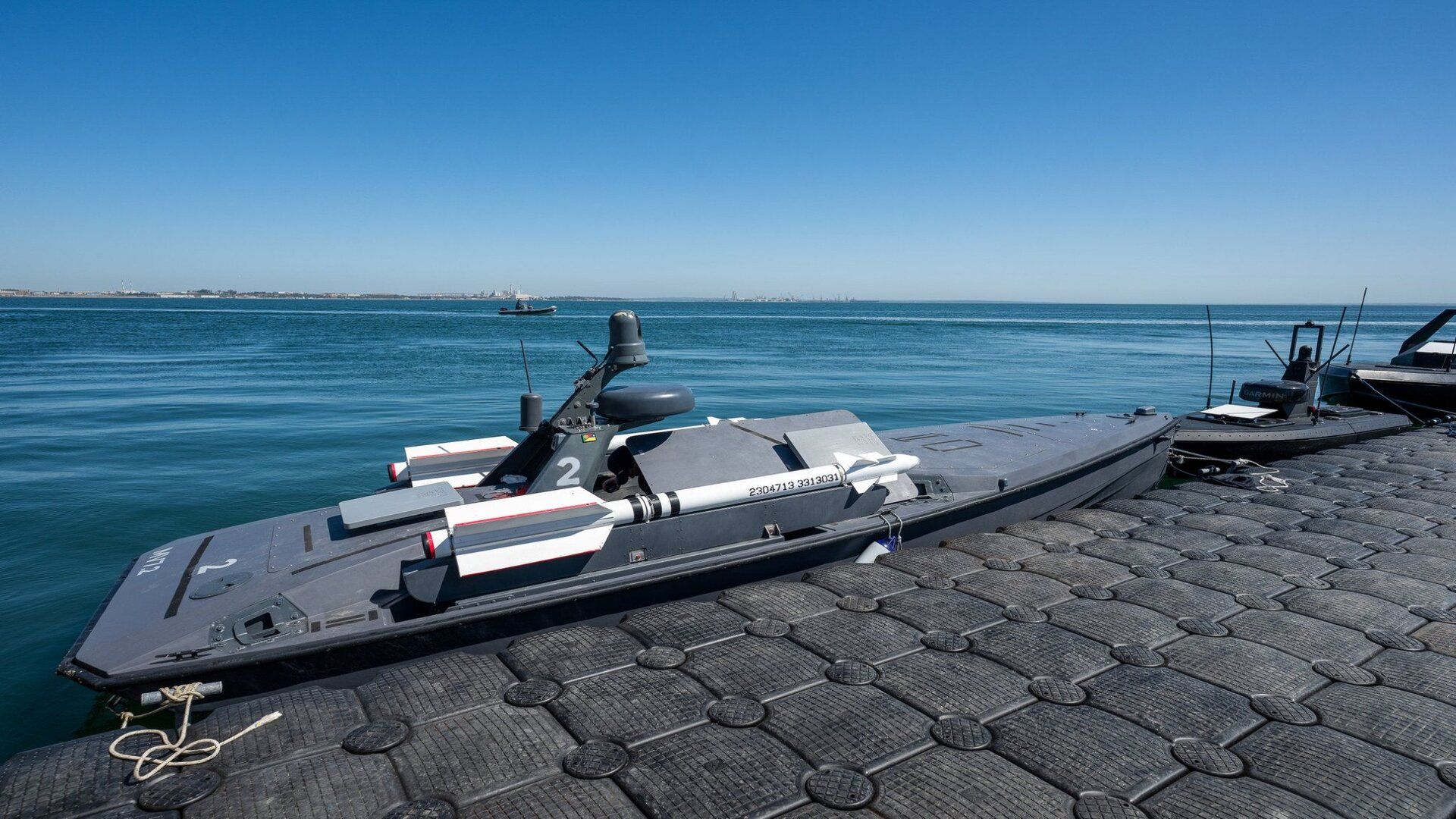
Ukraine hits Russian Crimea targets with unmanned ship carrying FPV drones
Using a MAGURA unmanned vessel as a mothership for FPV drones against radar sites shows how cheap, modular autonomy is eroding the value of fixed defenses. Civil and commercial operators should assume the same pattern—low-cost, swarming, multi-domain platforms—will shape future port security, offshore infrastructure protection, and insurance assumptions.
 Robotics & Autonomy
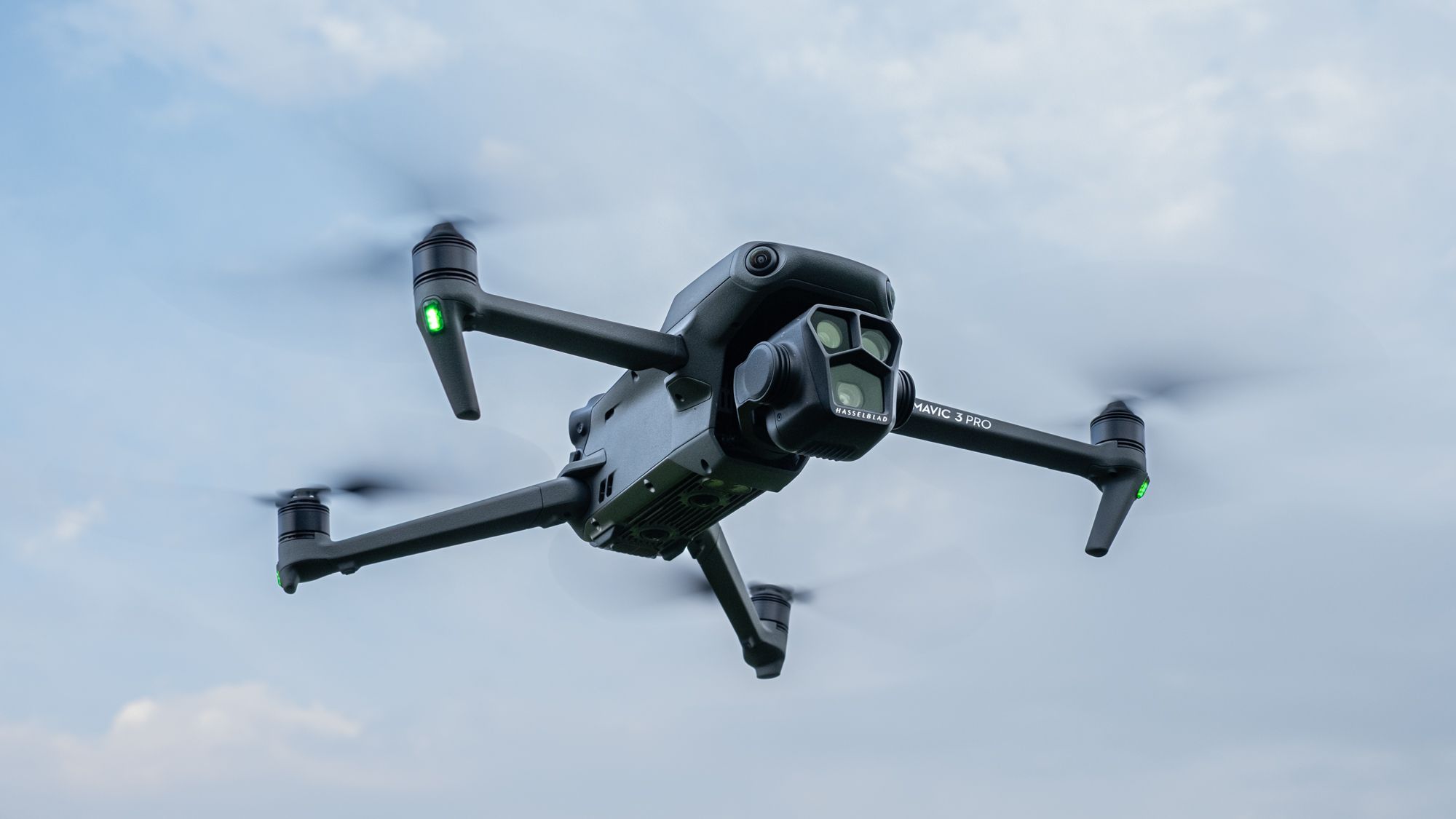
Drone firm PDW lands $820 million Pentagon funding to build the next generation of UAS components as crackdown on foreign providers continues
An $820M conditional Pentagon commitment to a domestic UAS supplier, paired with a crackdown on foreign components, is industrial policy in action—defense autonomy is being onshored. If you build in drones or adjacent sensing, expect tighter origin requirements and a premium on U.S.-based or allied supply chains.
 Robotics & Autonomy
Sequoia’s $250 Million Bet on America’s Drone Future
A $250M round at a $2.5B valuation for Neros—expanding from strike drones into autonomous systems and interceptors—shows autonomy is now funded as critical infrastructure, not just hardware. Defense-adjacent startups should expect faster capital cycles but also tighter export, security, and integration scrutiny.
 Robotics & Autonomy
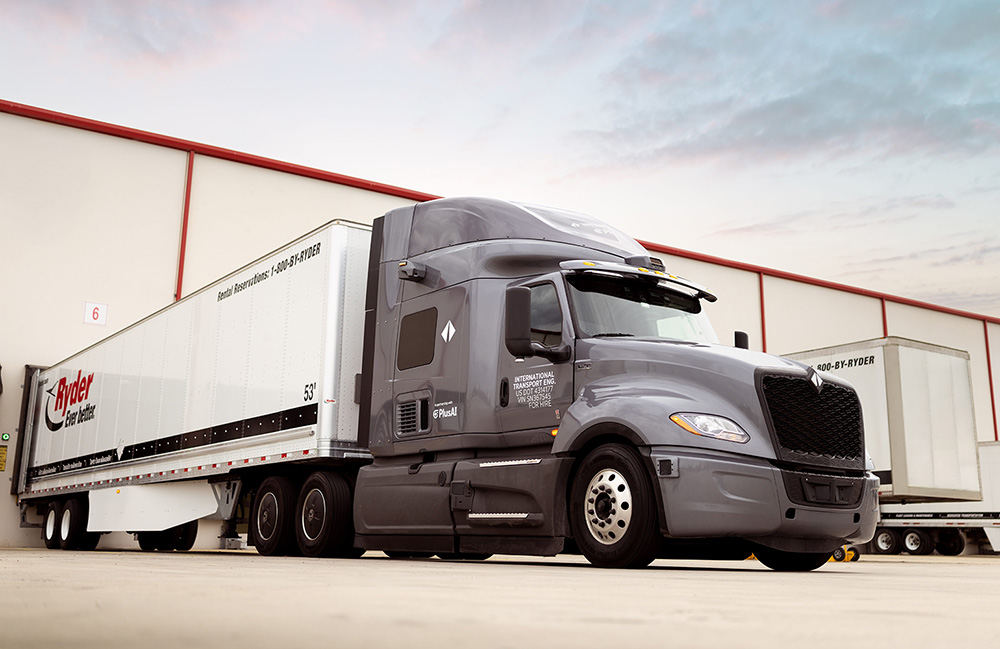
PlusAI reaches key milestones ahead of launching its autonomous trucks
PlusAI talking up safety validation, operational maturity, and SuperDrive efficiency is a reminder that autonomy in freight is now an integration and regulatory game, not just a perception problem. Shippers and fleets should start mapping which lanes and depots could realistically support early autonomous operations.