
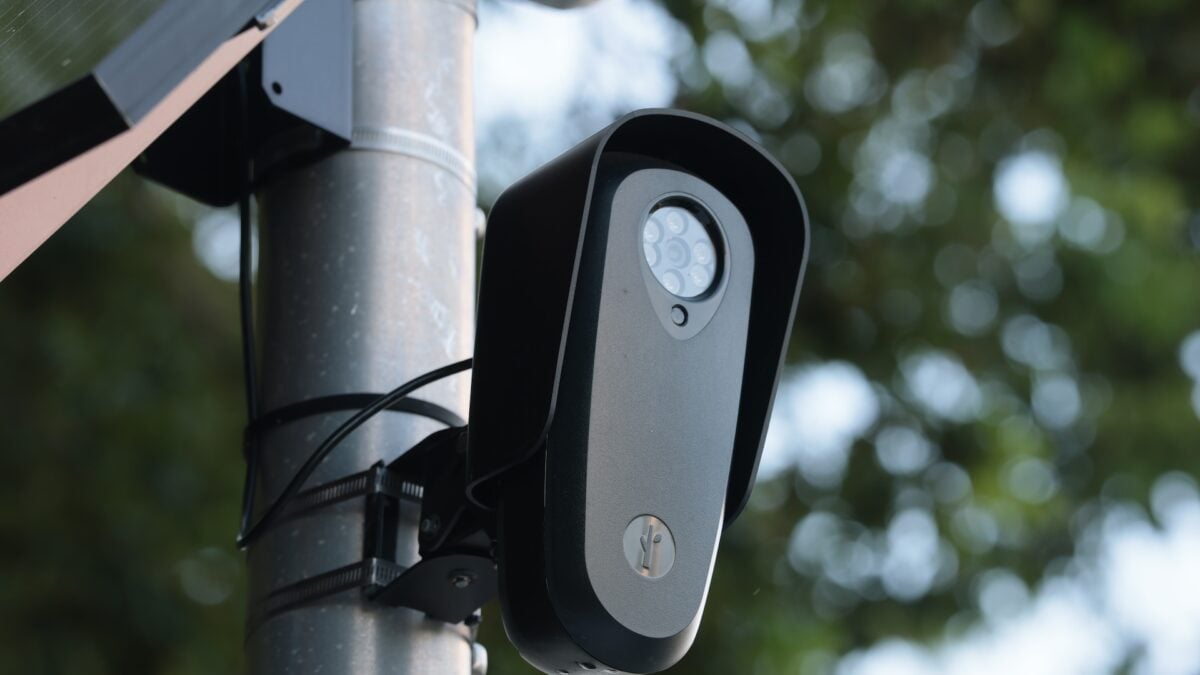
Judge Calls Flock Search ‘Indiscriminate Mass Surveillance,’ Throws Out Evidence
THE SO WHAT
A judge labeling Flock’s license-plate queries as ‘indiscriminate mass surveillance’ and tossing evidence puts hard legal limits around automated sensing networks. If you deploy ALPR or similar systems, assume courtroom scrutiny on query scope and retention policies, not just on-paper compliance.
READ THE SOURCE
MORE FROM THE WIRE
 Deep & Emerging Tech
Micron’s historic cash bonanza is set to rain down on investors
Micron throwing off more cash than Apple and Nvidia and routing it into buybacks tells you memory is riding the AI capex wave with real pricing power. If you’re building AI hardware or large-scale infra, assume memory costs and supply will be a strategic constraint, not a commodity afterthought.
 Deep & Emerging Tech
Why energy providers can’t afford a weekend of downtime
Energy operators are being told to modernize without ever going dark—meaning IT/OT upgrades now look more like live-heart surgery than scheduled maintenance. If you’re supplying software or AI into this stack, design for zero-downtime cutovers and rollback paths or you won’t clear procurement.
 Deep & Emerging Tech
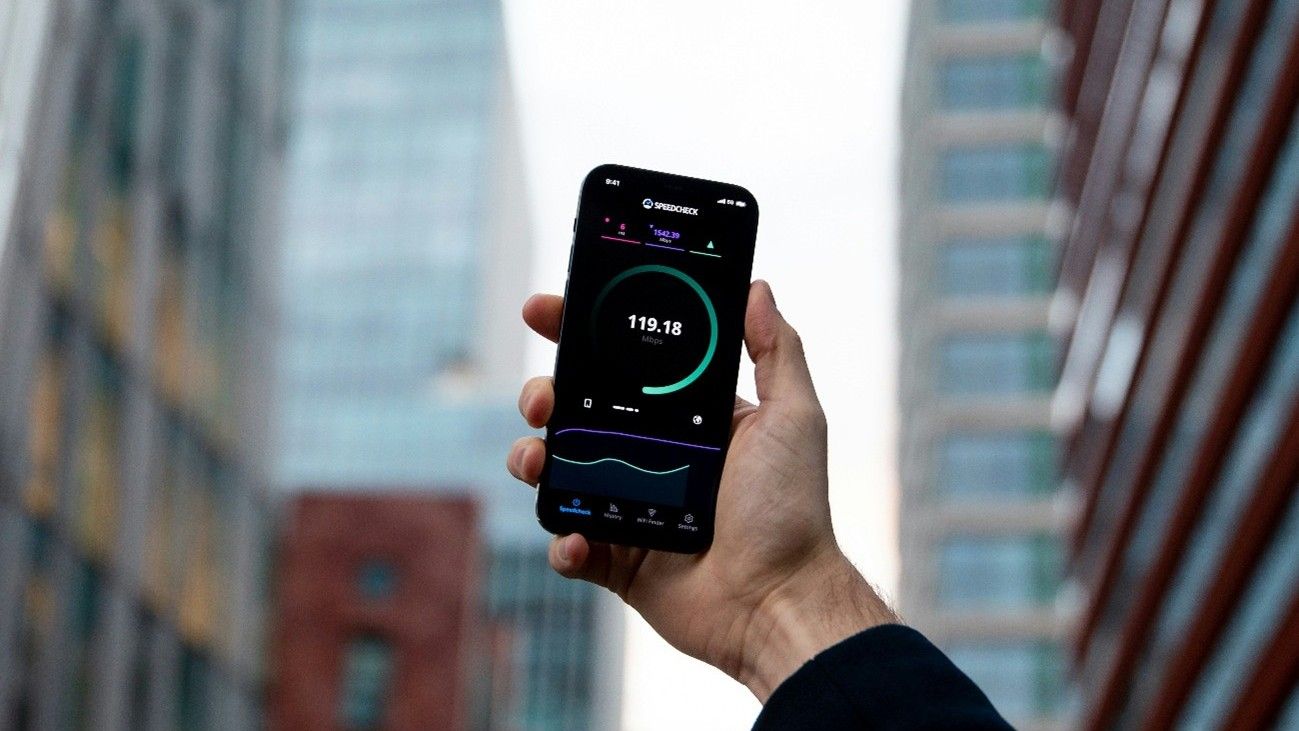
Could an eSIM be the key to keeping your workers safe while travelling?
Treat eSIMs as a security control, not just a roaming convenience—pre-provisioned data plans can keep staff off hostile public Wi‑Fi before VPNs are even live. Security teams should own the travel connectivity policy and budget, not leave it to ad hoc employee choices.
Deep & Emerging TechHuawei agrees to a multi-year patent licensing deal with Qualcomm covering AI, 5G, computing, and networking tech, its first 5G licensing deal with Qualcomm
A broad Huawei–Qualcomm patent deal across AI, 5G, computing, and networking reduces legal friction in a key slice of the global stack. Device and infra OEMs should read this as a signal that cross-border IP détente is possible even amid geopolitical tension—licensing risk is not static.