

JWST’s mysterious little red dots may be black holes growing at incredible speeds
THE SO WHAT
If early-universe black holes grew dozens of times faster than today’s, our models for extreme, non-linear growth are still underdeveloped. Treat this as a reminder that compounding in complex systems routinely overshoots intuition—use stress tests, not linear projections, for any exponential tech exposure.
READ THE SOURCE
MORE FROM THE WIRE
 Deep & Emerging Tech
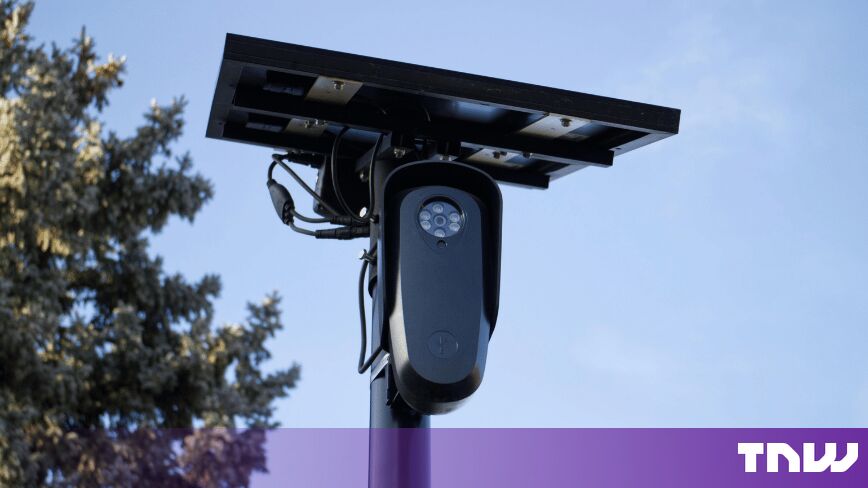
Hackers extracted a Flock camera’s software and key, 404 Media reports
Pulling firmware and encryption keys off a deployed Flock camera shows how brittle edge security can be once hardware is in the wild. If you deploy or buy connected sensors, assume physical access equals root and design your auth, logging, and data retention accordingly.
 Deep & Emerging Tech
Huawei plans Q1 2027 launch of new AI chip as it takes on Nvidia
Huawei pulling its Ascend 960DT AI chip into Q1 2027 is another data point that China is racing to close the AI compute gap with domestic silicon. If you operate in or sell into China, plan for a parallel GPU ecosystem rather than assuming Nvidia scarcity will be the long-term constraint.
 Deep & Emerging Tech
Cisco hit by max severity zero-day exploit targeting Identity Services Engine, so it's time to patch up
A max-severity zero-day in Cisco’s Identity Services Engine means your access-control layer is now an active target, not just plumbing. Treat this as a live-fire drill: patch, then review how quickly you can rotate and audit identity infrastructure when—not if—it’s hit again.
 Deep & Emerging Tech
White House Weighs US Incubator for Cyber Research, Startups
A government-led cyber incubator would blur the line between public R&D and startup formation—effectively turning federal needs into a direct demand signal. If you build security tooling, start mapping where your roadmap overlaps with government use cases and compliance regimes.