
Key to Humanoid Progress: Managing the Power Behind the Robots
THE SO WHAT
Humanoids are increasingly constrained by power electronics, not just perception or control — converting battery energy into precise actuator motion at scale is the bottleneck. If you’re evaluating humanoids for your operations, interrogate power density, thermal management, and duty-cycle limits as hard as you do dexterity demos.
READ THE SOURCE
MORE FROM THE WIRE
 Robotics & Autonomy
Tesla wants to be the first company to offer wheelchair-accessible autonomous vehicles
Designing AVs around wheelchair access from the start reframes accessibility from retrofit to core spec. Cities and fleet operators should be ready for accessibility to become a procurement requirement, not a nice-to-have, in autonomous transport RFPs.
 Robotics & Autonomy
Outsource cutting the grass with 30% off the Ecovacs Goat O1000 Robotic Lawn Mower
Consumer-grade outdoor robots at 30% off are another data point that autonomy is normalizing in the home. If you build for prosumer or SMB segments, assume customers will be more comfortable with autonomous hardware in their workflows than they were even 2–3 years ago.
 Robotics & Autonomy
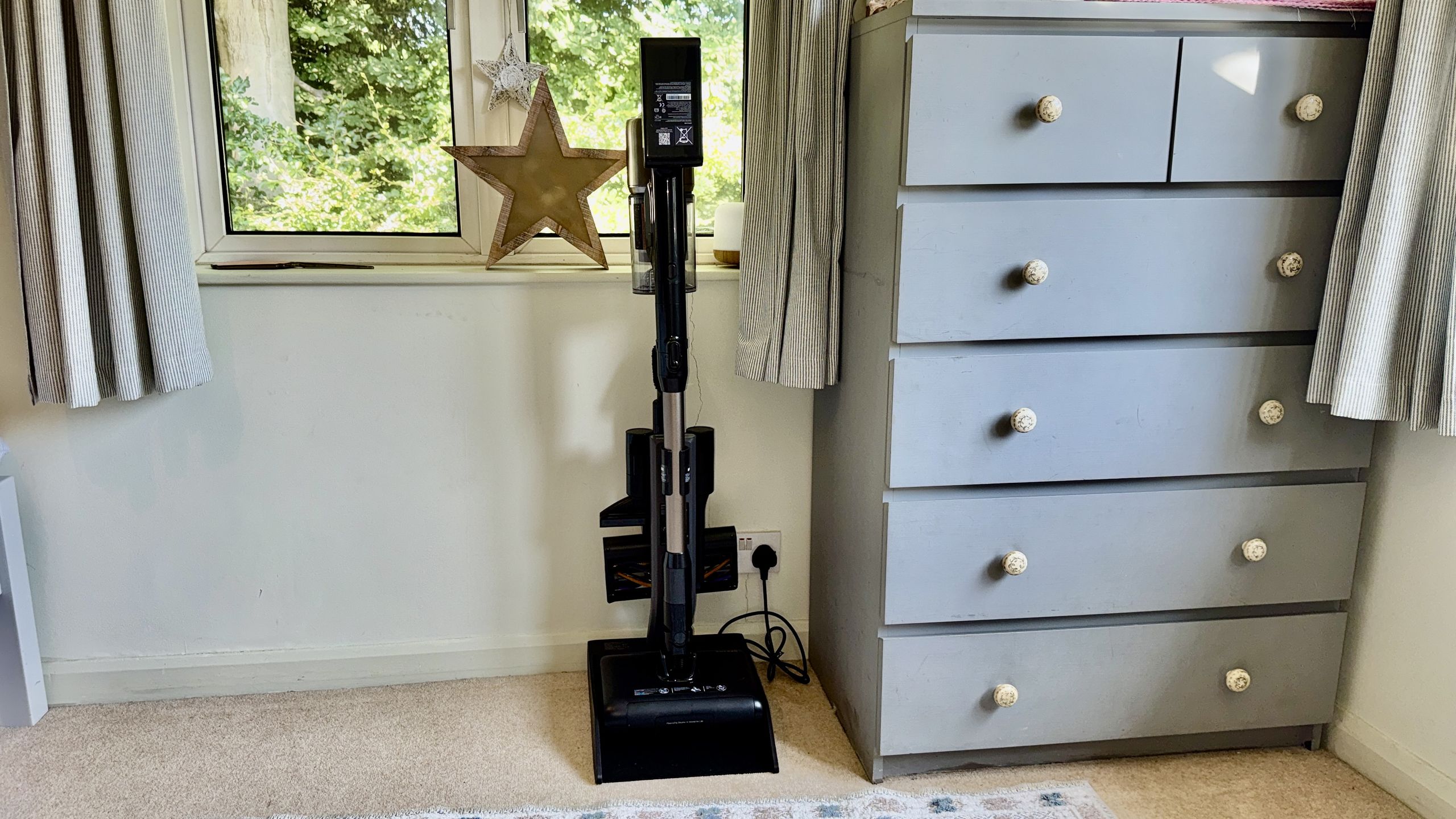
The Dreame Z30 Pro Aqua cordless stick vac-and-mop is a versatile floor cleaning combo for both vacuuming and light mopping duties
Consumer robotics is still trading depth of capability for “all-in-one” marketing—combo devices that underperform specialists. For anyone building home robots, this is a reminder that solving one job completely often beats bundling three half-solutions.
 Robotics & Autonomy
Volkswagens new e-bikes pack cameras, radar, and smart glasses — heres everything you need to know
Volkswagen’s camera- and radar-equipped e-bikes blur the line between vehicle and device, bringing car-like safety stacks to micromobility. Urban mobility operators and insurers should expect rising data expectations — continuous sensing, connectivity, and telemetry will become table stakes.