
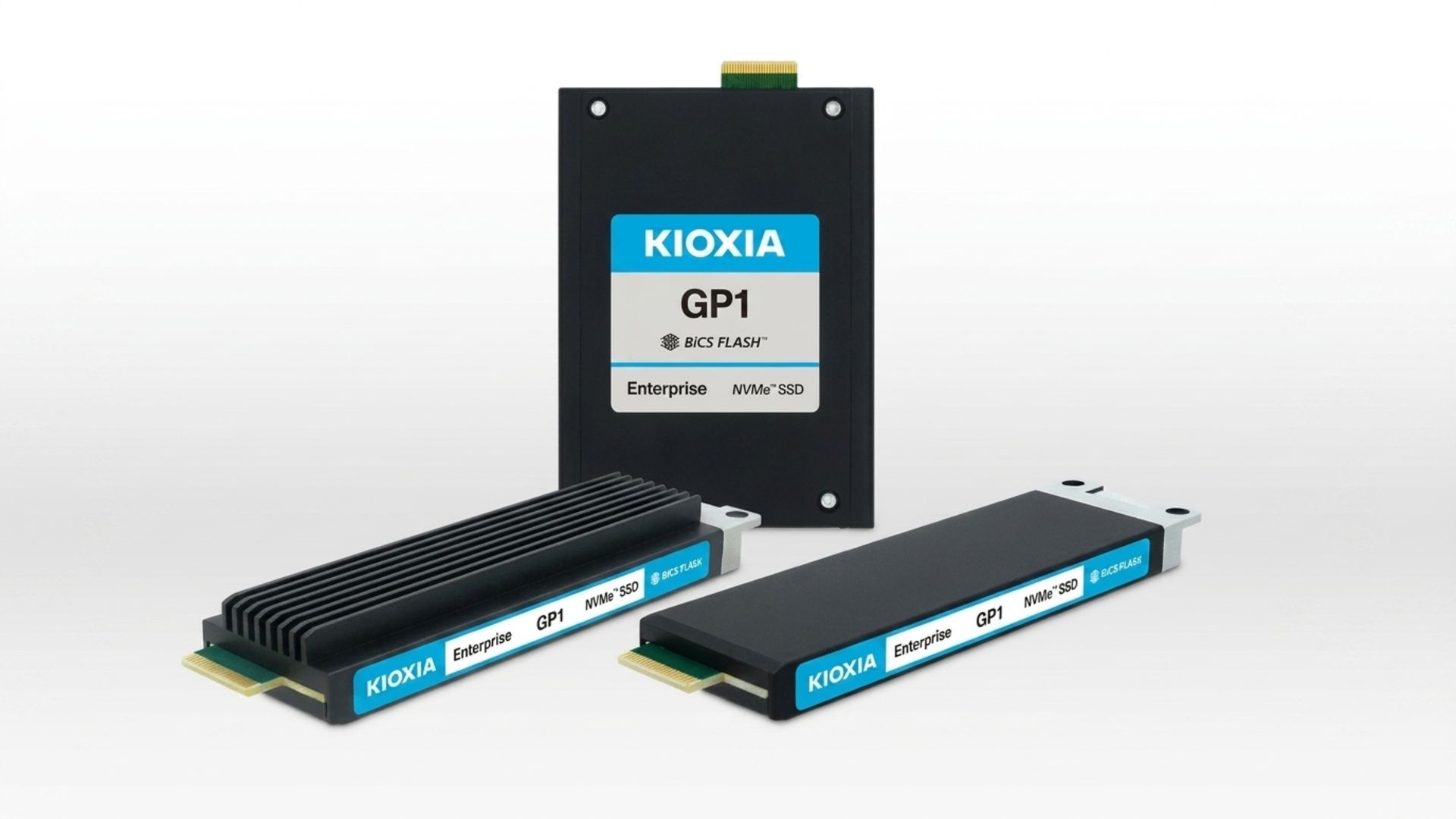
Kioxia beats its own world record with the fastest SSD ever produced — new PCIe 6.0 GP1 tops 20M IOPS and is part of Kioxia's plan to challenge DRAM in AI markets
THE SO WHAT
Flash pushing 20M+ random-read IOPS is a direct attempt to collapse the gap between storage and DRAM for AI workloads. Infra teams should re-run TCO models for training and retrieval-heavy inference—tiering strategies and memory-bound bottlenecks may look different with PCIe 6.0-class SSDs in the mix.
READ THE SOURCE
MORE FROM THE WIRE
 Deep & Emerging Tech
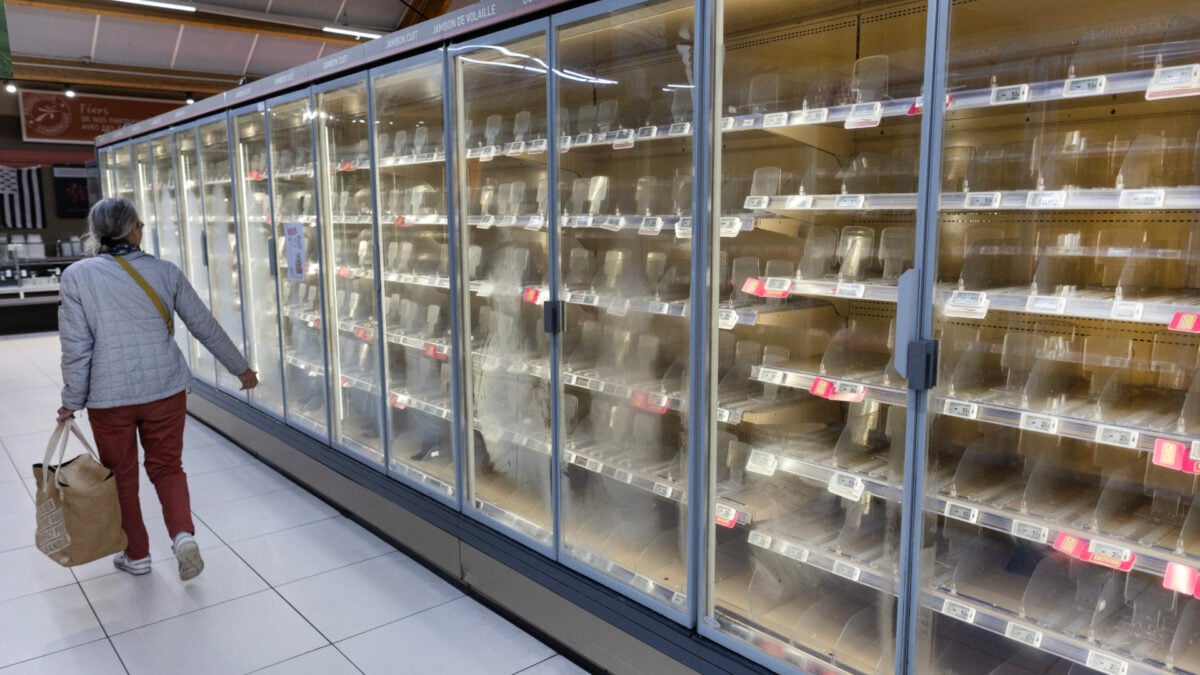
Hackers Overheat Fridges at Supermarkets Across France, Wasting Food and Starting Fires
Weaponizing supermarket fridges—pushing them to 50°C—shows how thin the line is between “smart” infrastructure and physical damage at scale. If you operate any connected OT, assume adversaries will go after safety margins and fail-safes, not just data, and budget accordingly for segmentation and kill-switch design.
 Deep & Emerging Tech
The Staggering Costs of a Single Data Center, From Land to Chips
With hyperscalers projected to spend roughly $750 billion on capex this year, single data centers now look like multi-billion-dollar industrial projects — not incremental IT upgrades. If you’re building on top of this stack, treat compute, power, and land as strategic dependencies and expect pricing and access to move more like commodities than SaaS.
Deep & Emerging TechHome Equity-Sharing Firm Unison Is Said to Pick Banks for US IPO
A home equity-sharing player moving toward IPO suggests alternative housing finance is maturing into a public-market asset class. If you’re in proptech or consumer finance, assume customers will see shared-equity structures as mainstream options and design underwriting and partnerships accordingly.
Deep & Emerging TechTrump’s ‘energy ceasefire’ collides with real-world problems of dwindling fuel supplies
Political declarations like an “energy ceasefire” don’t refill depleted fuel inventories — the article’s point is that physical constraints and Middle East conflict are still driving a deepening oil crunch. For operators, this is a reminder to treat energy as a first-class risk variable in planning, not something policy headlines can reliably stabilize.