
Korea Orders Security Checks After Finance-Sector Data Breaches
THE SO WHAT
Regulators ordering immediate internal security inspections after finance data breaches is a signal that reactive audits are becoming a default supervisory tool. If you’re in financial services, assume surprise inspection-style reviews of your security posture and make sure incident response, logging, and vendor risk documentation are audit-ready, not aspirational.
READ THE SOURCE
MORE FROM THE WIRE
 Deep & Emerging Tech
Beware the smartphone security threat — new report claims most banking scam attempts now take place on mobile devices
If 90% of scams and a 35% year-on-year jump in banking fraud are now mobile, your threat model has to start at the handset, not the branch or desktop. Banks and fintechs should be pushing in-app behavioral analytics, stronger device binding, and real-time education at the point of transaction, not just better passwords.
 Deep & Emerging Tech
Toshiba plans to double HDD production capacity for AI data centers within FY2027 from its 2025 level, targeting a 30% share by storage capacity, up from ~10%
Toshiba aiming to double HDD output and grow from ~10% to 30% share for AI data centers by FY2027 underlines how storage, not just GPUs, is becoming a constraint. If you’re planning AI-heavy infra, lock in long-term storage contracts and architect hot/cold tiers now — capacity and pricing will be shaped by a few aggressive suppliers.
 Deep & Emerging Tech
Nearly 10,000 acres of Utah public land could host 456 nuclear reactors — enough power for 7-8 million homes, but none of them will get any of that power
Dedicating 9.6 GW of nuclear on public land purely to a data center campus makes AI compute an explicit competitor to residential and industrial load, not just another cloud line item. If you run large-scale AI infra, you now have to manage political risk around who benefits from your power deals as much as you manage technical risk.
 Deep & Emerging Tech
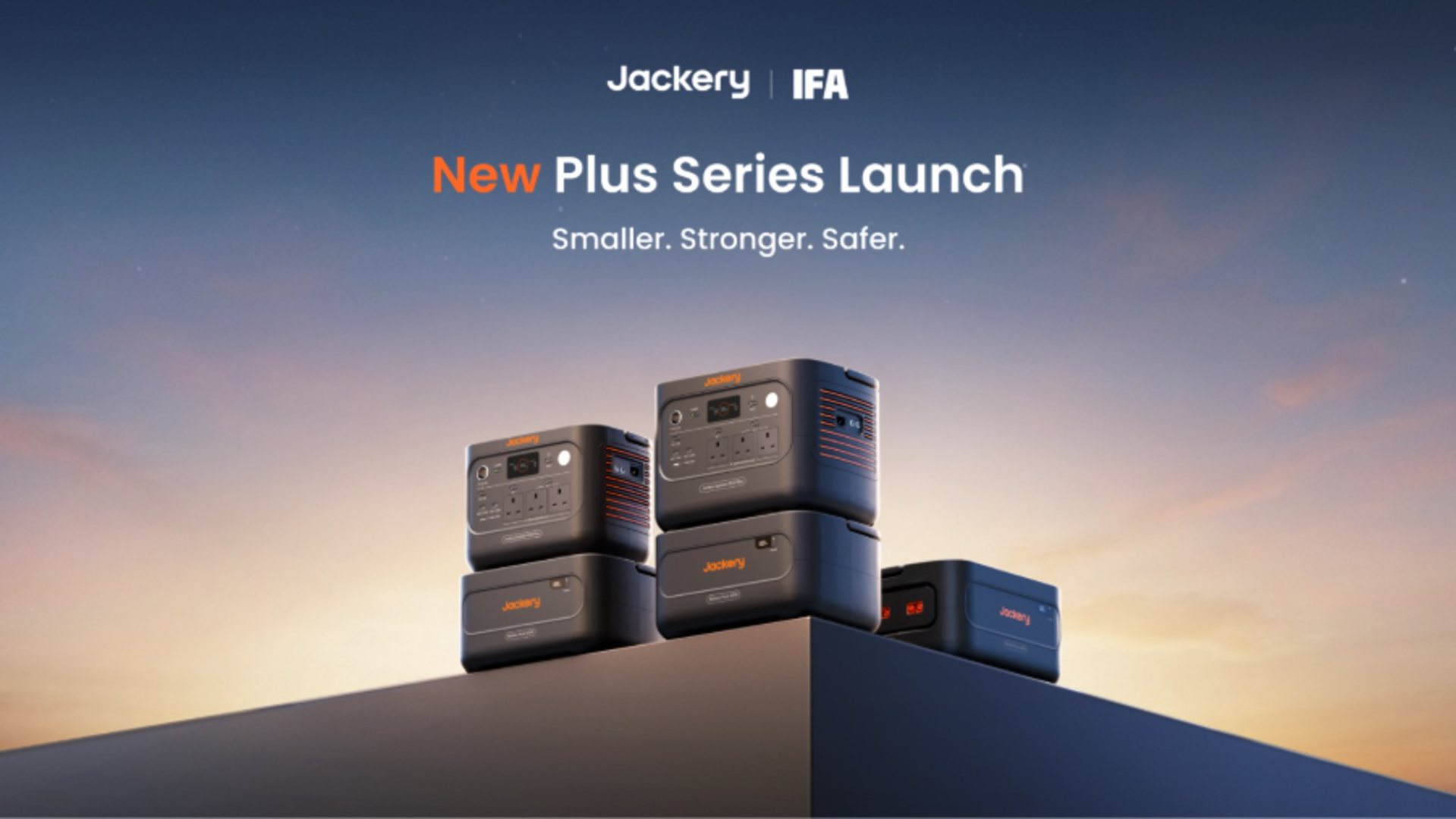
Jackery used a well-known EV trick to slash dimensions of its new portable power stations — CTB shrinks Explorer 2000 Plus v2 PPS by 60%, makes it 33% lighter
EV battery architectures like CTB 2.0 are bleeding into portable power, shrinking units by 60% and weight by a third while keeping capacity. For field teams and edge deployments, that means higher-wattage, AI-capable gear can go truly mobile without a logistics tax.