

Lawmakers want to ban AI companies from selling your health data
THE SO WHAT
A federal move to ban sale of health and location data—including what users tell AI chatbots—would harden the wall around sensitive signals. If your product touches health-adjacent data, assume broker-based enrichment and resale are on borrowed time and pivot toward first-party, consented models now.
READ THE SOURCE
MORE FROM THE WIRE
 Applied AI
OpenAI is teasing new hardware… for Codex
A dedicated Codex device suggests OpenAI is testing vertical, task-specific hardware — not just general assistants — as a way to lock in developer workflows. If you sell dev tools, assume the IDE and even the keyboard layer are now contested territory by model providers.
 Applied AI
Anthropic and Gov. Newsom forge deal allowing California government to use Claude at half price
Discounted Claude access for California agencies is a land-grab for public-sector mindshare — and a reference deal every other state and vendor will point to. If you sell into government, expect RFPs to start assuming baseline access to a frontier model and to ask how your stack plugs into it.
 Applied AI
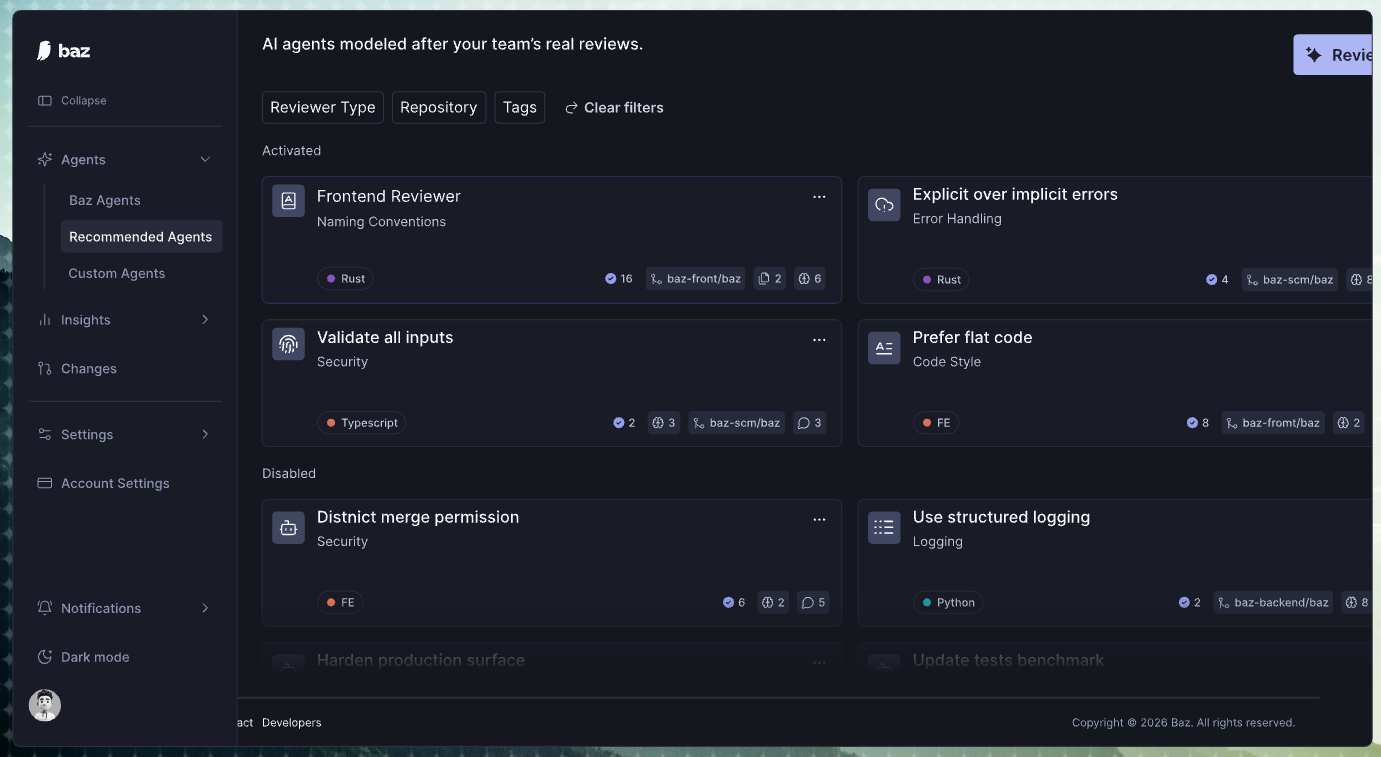
Baz releases Baz Planner, which uses four specialized AI agents to analyze code at the planning stage, and extends its seed funding by $9M to $17M
Baz pushing multi-agent code analysis into the planning phase — and raising to $17M seed — is another sign that “shift left” now includes AI reviewers, not just humans. Engineering leaders should experiment with agents at spec and design time, where catching architectural issues is cheaper than post-PR linting.
Newsom, Anthropic ink deal to expand government use
Making Claude available to all California state and local agencies turns AI from pilot to shared utility across government workflows. Vendors serving those agencies should assume procurement will favor tools that either embed Claude or can prove safe, auditable interoperability with it.