
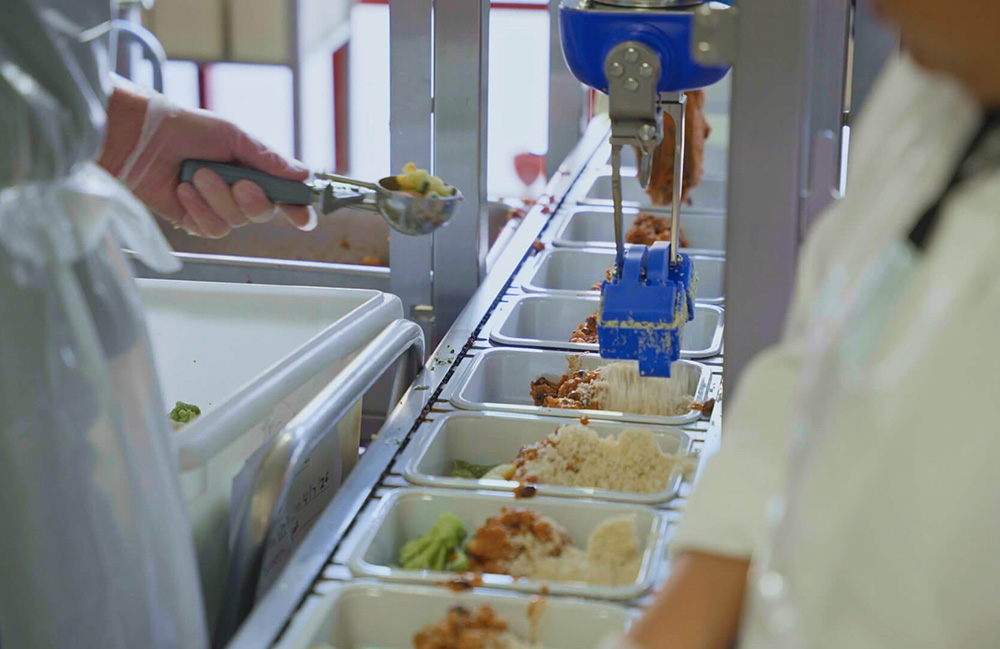
Learn why food is physical AI’s hardest problem at RoboBusiness
THE SO WHAT
Food handling as “physical AI’s hardest problem” is a reminder that unstructured, deformable objects in messy environments are where today’s robots still break. If you operate in food or similar domains, treat near‑term automation as task‑specific and supervised—full kitchen or line autonomy is a multi‑cycle bet, not a 12‑month plan.
READ THE SOURCE
MORE FROM THE WIRE
 Robotics & Autonomy
Ouster’s Physical AI Push
Ouster pushing into drone mapping with GeoCue and into John Deere’s GUSS vehicles shows lidar is becoming a standard sensor for physical AI, not a niche AV bet. If you’re deploying robots or autonomous equipment, treat high‑fidelity 3D sensing as a baseline requirement and design your perception stack around it now, not later.
Robotics & AutonomyWaymo Taps Pimco, Blackstone for $3 Billion in First Debt Deal
Waymo raising more than $3B in debt from Pimco and Blackstone signals robotaxis are entering an infrastructure‑style financing phase, not just VC equity. City partners and fleet operators should read this as a commitment to scale routes and depots over multi‑year horizons, with financing structures closer to toll roads than apps.
 Robotics & Autonomy
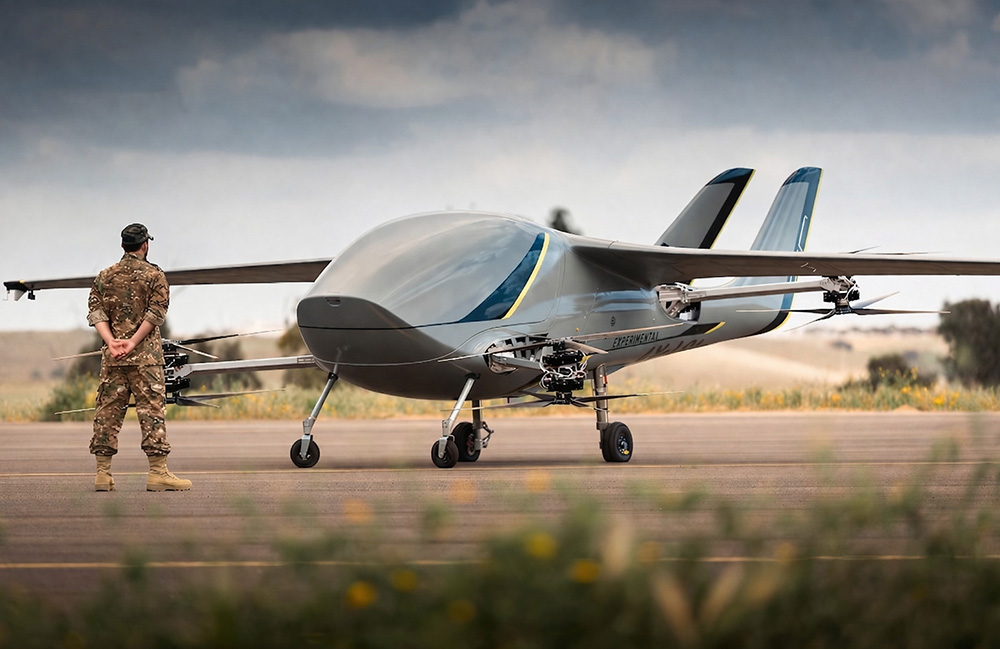
AIR to use Elmo Motion Control technology in uncrewed cargo aircraft
AIR pairing its uncrewed cargo aircraft with Elmo’s compact, high-power servo drives is another step toward electric, highly automated freight. Logistics operators should start mapping where short-haul aerial autonomy could bypass congested ground routes in their network design.
Robotics & AutonomyTesla’s Cybercab moment is coming. Elon Musk needs to prove the car isn’t just hype.
A pedal-less, wheel-less Cybercab forces regulators, insurers, and riders to confront what "driverless" actually means in practice. Anyone building AV stacks or mobility services should be watching not just the tech demo, but the policy and public-trust response—those will set the real deployment pace.