
Local Lenders Set to Supercharge Crypto Trading in Germany
THE SO WHAT
When millions of Germans can trade crypto directly through local banks, crypto shifts from niche platform activity to mainstream balance-sheet exposure. Fintechs and exchanges should expect fee compression and higher compliance bars, while banks need to harden custody, fraud, and tax reporting before volume spikes.
READ THE SOURCE
MORE FROM THE WIRE
 Deep & Emerging Tech
Fires linked to solar panels force Suffolk council to switch them off in 80 schools indefinitely
Three fires and 80 schools offline show how a few high-visibility incidents can stall distributed energy adoption when safety and monitoring aren’t clearly owned. If you operate solar or other edge energy assets, tighten inspection, telemetry, and incident playbooks now — reputational risk can erase years of deployment in a week.
 Deep & Emerging Tech
Micron Breaks Ground on $9 Billion Western Japan Plant Expansion
Another ¥1.5 trillion of DRAM capex in Japan means AI memory supply is being regionalized, not just scaled. If your roadmap depends on high-bandwidth memory, treat geography and government incentives as real constraints in your capacity planning.
 Deep & Emerging Tech
Small nuclear waste batteries could fuel drones for 30 years via trickle charging, making Spiderweb scenario a permanent nightmare
Multi-decade nuclear-waste batteries for drones and satellites would turn today’s deployment and refueling constraints into a one-time launch decision—persistence, not range, becomes the design variable. Defense, logistics, and monitoring operators should start scenario-planning for assets that effectively never come home, with all the regulatory, safety, and escalation risk that implies.
 Deep & Emerging Tech
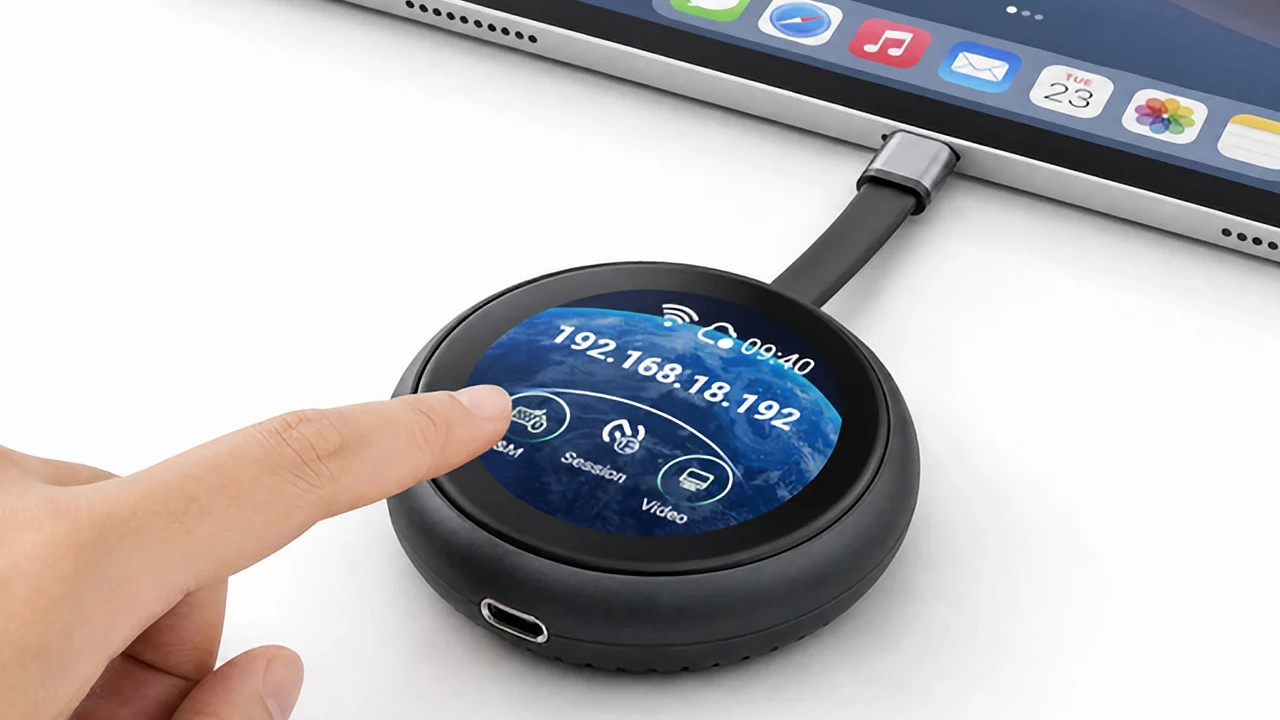
This tiny dongle lets you take over an iPhone remotely from your Windows browser, and it costs only $89
Hardware-level remote control of phones and laptops for $89 collapses the barrier between "physical access" and full compromise. If your org has any bring-your-own-device surface, you need to treat USB ports as an attack vector and revisit assumptions about what “trusted endpoints” actually mean.