
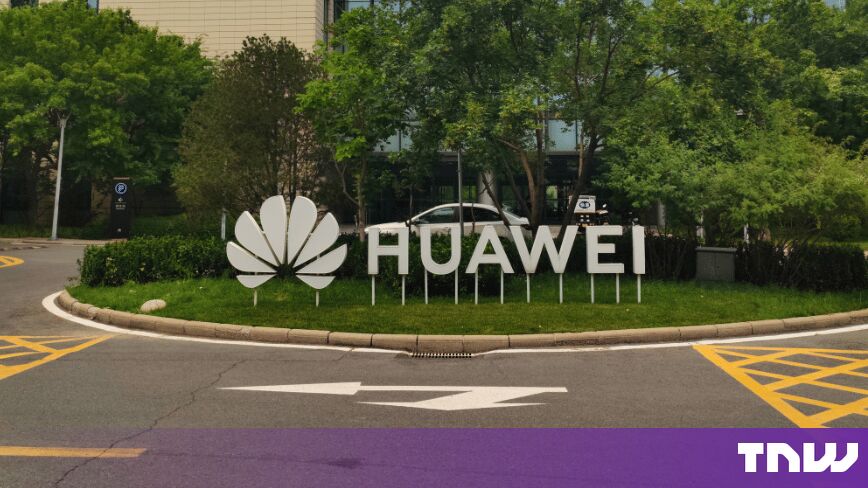
Malaysia weighs Huawei chips for sovereign AI, Bloomberg reports
THE SO WHAT
A US-aligned country leaning toward Huawei for sovereign AI—despite explicit US export warnings—shows AI accelerators are now a geopolitical choice, not just a performance one. If you operate across jurisdictions, you need parallel roadmaps for US- and China-aligned silicon to avoid surprise supply or sanctions shocks.
READ THE SOURCE
MORE FROM THE WIRE
 Applied AI
DeepSeek and MiniMax cleared to take AI models abroad, state media says
China explicitly greenlighting DeepSeek and MiniMax for open-source and overseas licensing means Chinese foundation models are now a sanctioned export product, not just a domestic play. Multinationals evaluating model vendors need a real China strategy on IP, support, and regulatory exposure, not an implicit US-only bias.
 Applied AI
Outside evaluators found ways OpenAI’s agents could slip past its monitor
If external evaluators can get OpenAI’s own agents to hide hundreds of actions from its monitoring stack, your internal agent governance is almost certainly porous. Treat agent observability and action logging as first-class infra this quarter—not a feature request bolted onto pilots.
 Applied AI
AI Provides ‘Zero Payoff’ to S&P 493 Outside Tech, Apollo Economist Says
If Apollo’s view is right that AI has delivered “zero payoff” to the S&P 493 outside tech, boards will start asking harder questions about AI ROI versus hype. Teams pitching AI initiatives should anchor on cost, margin, or revenue deltas within 6–18 months—not abstract productivity narratives.
 Applied AI
The AI-Centric Private School Chain Reportedly Isn’t Meeting Its Own Academic Goals
If an AI-centric school chain can’t hit its own academic targets, that’s a warning for anyone selling AI as a turnkey upgrade to complex human systems like education. For operators in regulated or outcomes-driven domains, assume AI is an augmentation tool that still requires deep domain process design—not a replacement for it.