
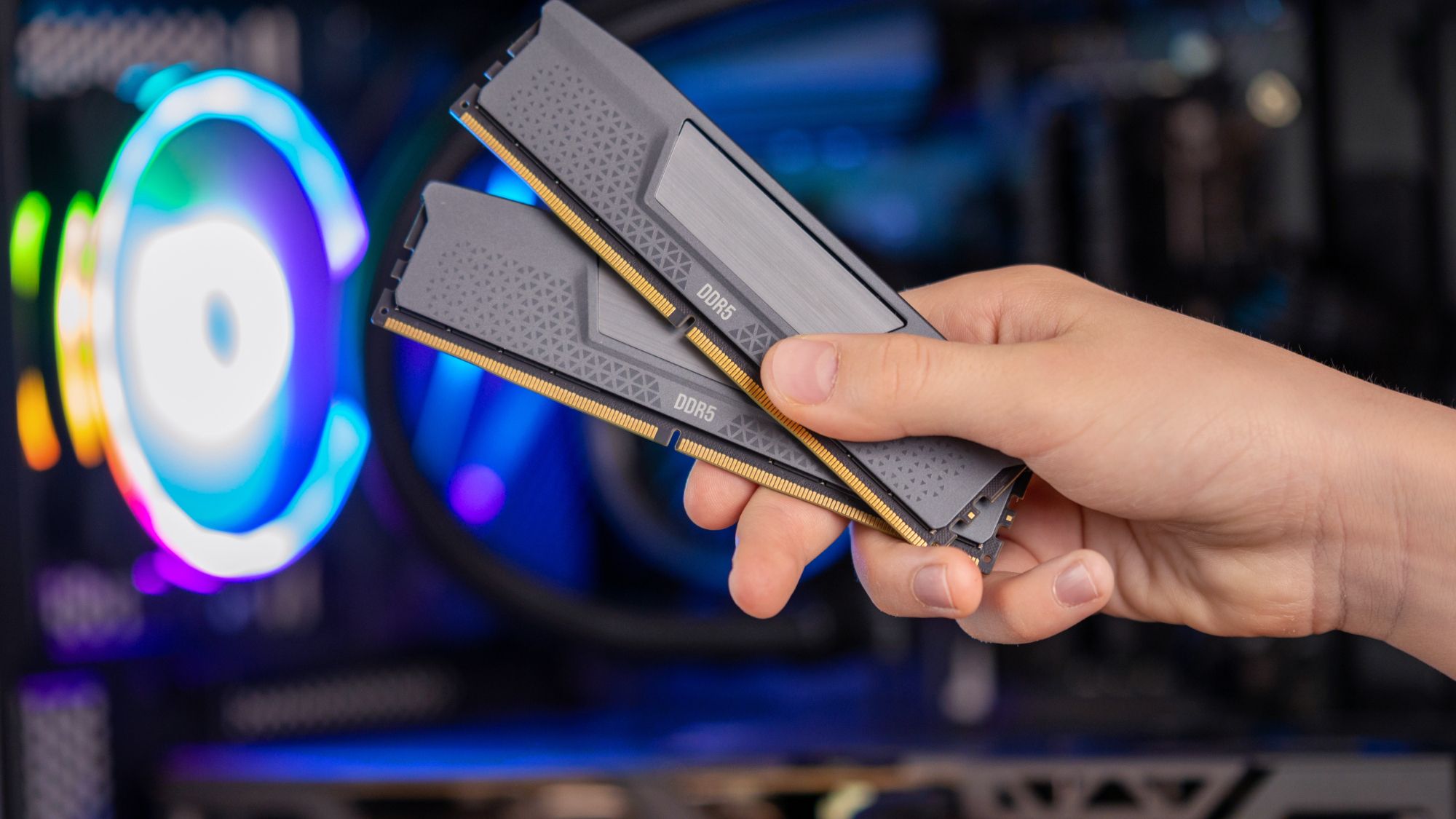
Manufacturers are killing mini PC and laptop performance with single-channel memory, and I'm sick of it
THE SO WHAT
Single-channel memory is a quiet tax on real-world performance—especially for AI workloads that are bandwidth hungry. If you’re buying fleets of laptops or mini PCs for dev or inference, lock dual-channel RAM into your procurement specs instead of chasing marginal CPU bumps.
READ THE SOURCE
MORE FROM THE WIRE
 Tech & Innovation
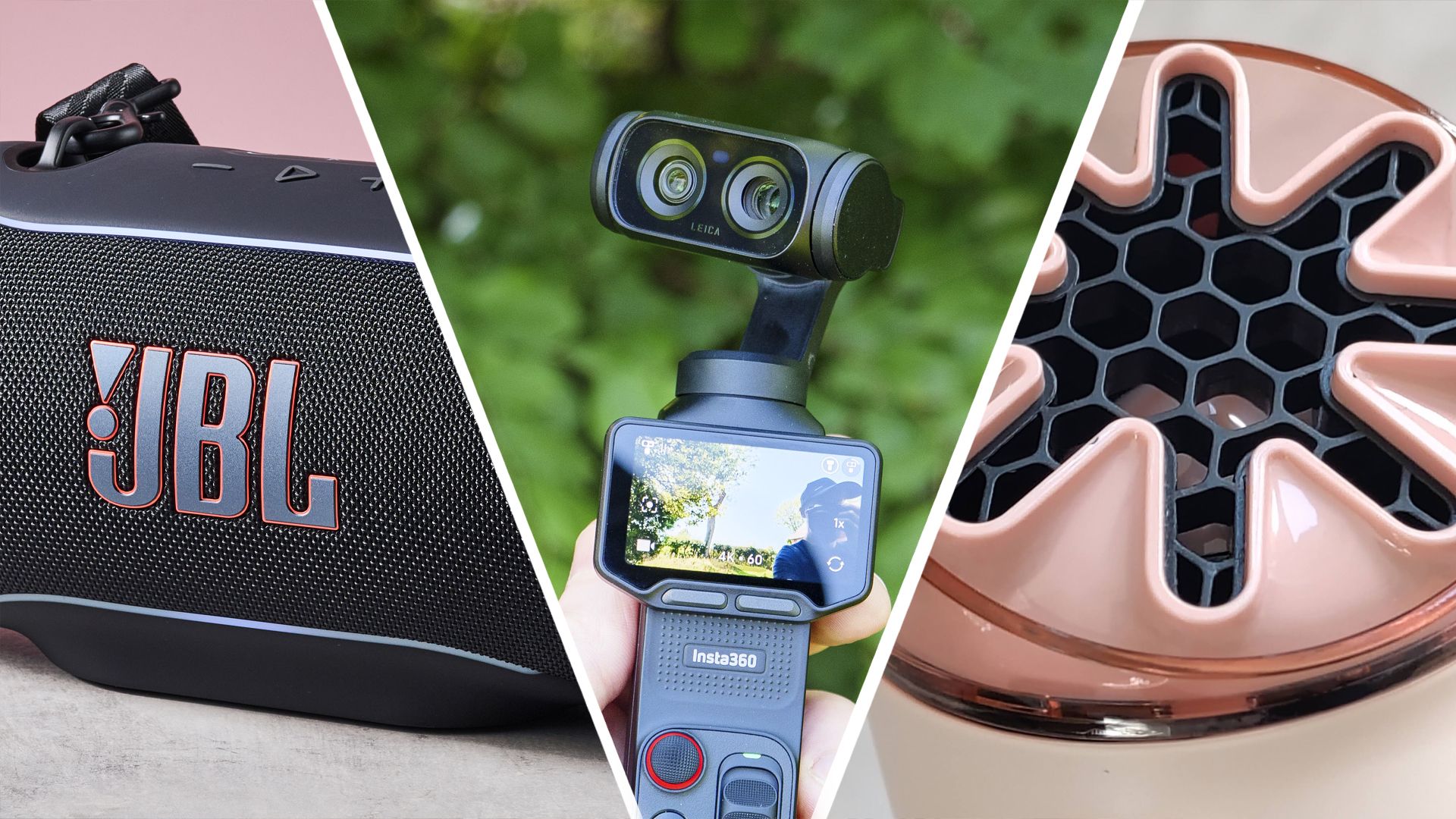
Top tech of the month: the best new gadgets we've tested for July 2026
Consumer hardware is drifting toward micro-utility — tiny fans, overpowered speakers, niche helpers — not category-defining platforms. For operators, that’s a reminder that attachment to daily workflows, not gadget novelty, is what sustains margin and retention.
 Tech & Innovation
US bans Polestar but not Volvo in baffling EV ruling — data security fears force exit for premium brand, while its sister company gets a green light
Data provenance is now as material to market access as where the car is built — Polestar’s ban despite non‑China production shows regulators are targeting ownership and data flows, not just factories. Auto and device OEMs need a clean, well-documented data lineage story for every jurisdiction they care about.
 Tech & Innovation
The Folks Behind Beloved Hacker Tool Flipper Zero Have a New Device for Focus
A team known for hardware that exploits attention is now selling hardware to protect it — that’s a read on demand for physical, not just app-based, focus tools. If your product competes for user time, assume a growing counter-movement of users willing to pay to wall you off.
 Tech & Innovation
Alibaba, Tencent Dropped by DC Lobbyists to Comply With US Curbs
Top K Street firms dropping Alibaba and Tencent under new US rules means Chinese tech giants are losing formal influence channels in Washington just as AI, data, and trade policy harden. Multinationals with China exposure should assume less backchannel smoothing and more abrupt, regulation-driven shocks to cross-border business models.