
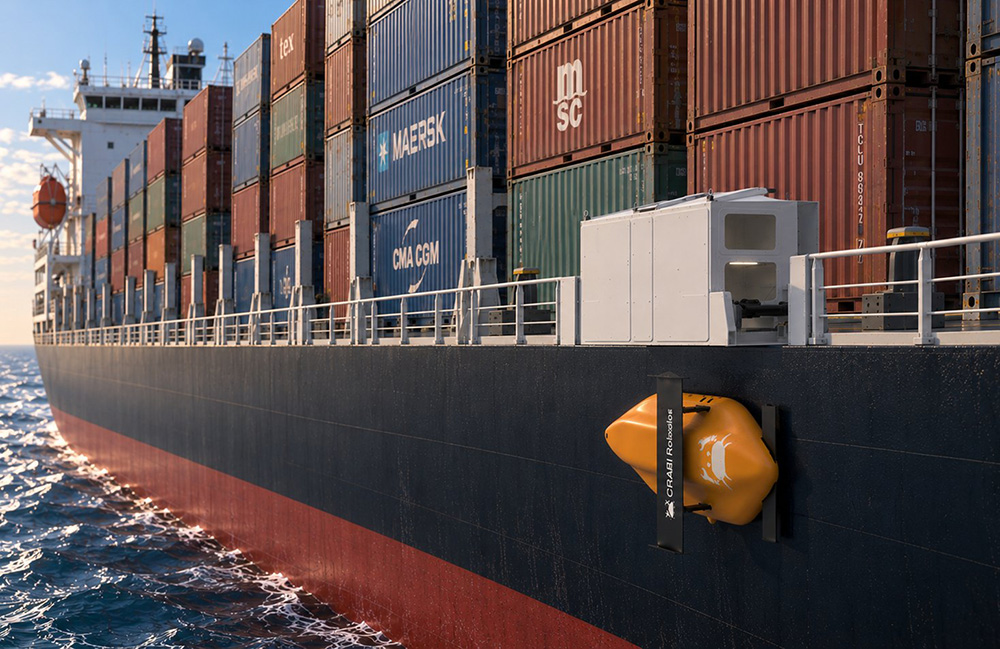
MassRobotics launching marine robotics facility on Boston Harbor
THE SO WHAT
A dedicated marine robotics facility on Boston Harbor signals that ports, offshore energy, and subsea inspection are about to get a denser startup and pilot ecosystem. If you operate coastal infrastructure, this is a chance to shape standards and workflows early—get your problem statements into these programs before vendors harden their roadmaps without you.
READ THE SOURCE
MORE FROM THE WIRE
 Robotics & Autonomy
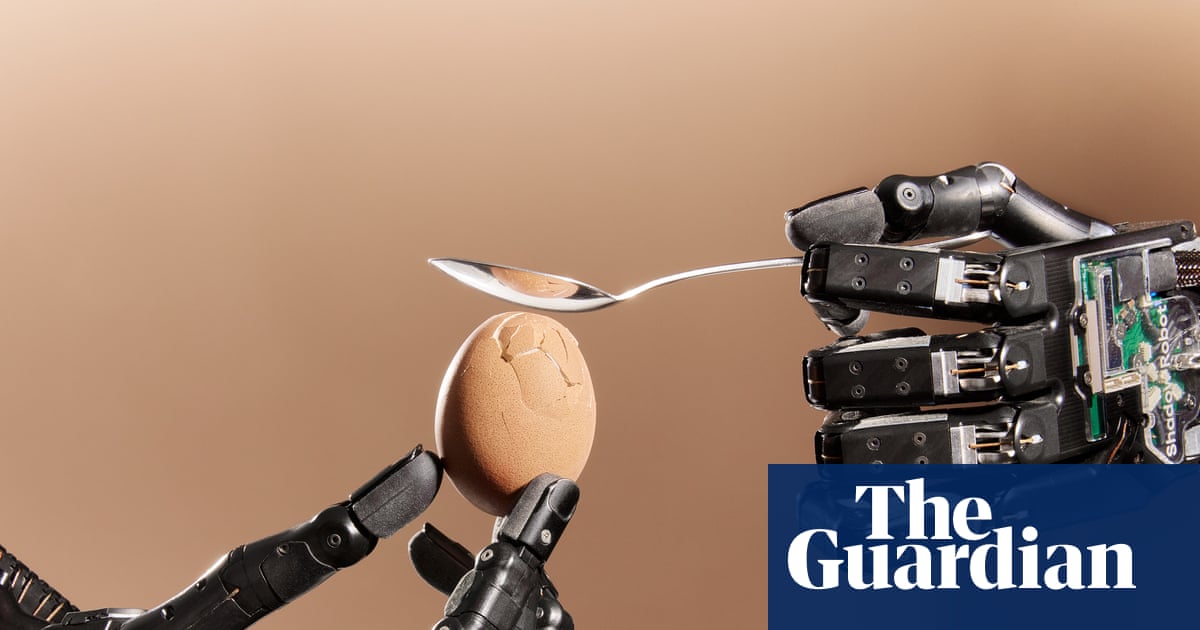
‘The doom of humanity’: will the quest to make robotic hands render us obsolete?
The race to human-level robotic dexterity is about collapsing the gap between digital intelligence and physical labor — once hands catch up, far more jobs become automatable. Operators in logistics, manufacturing, and retail should start mapping tasks where human hands are the only barrier to full automation and plan for supervision-heavy roles on the other side.
 Robotics & Autonomy
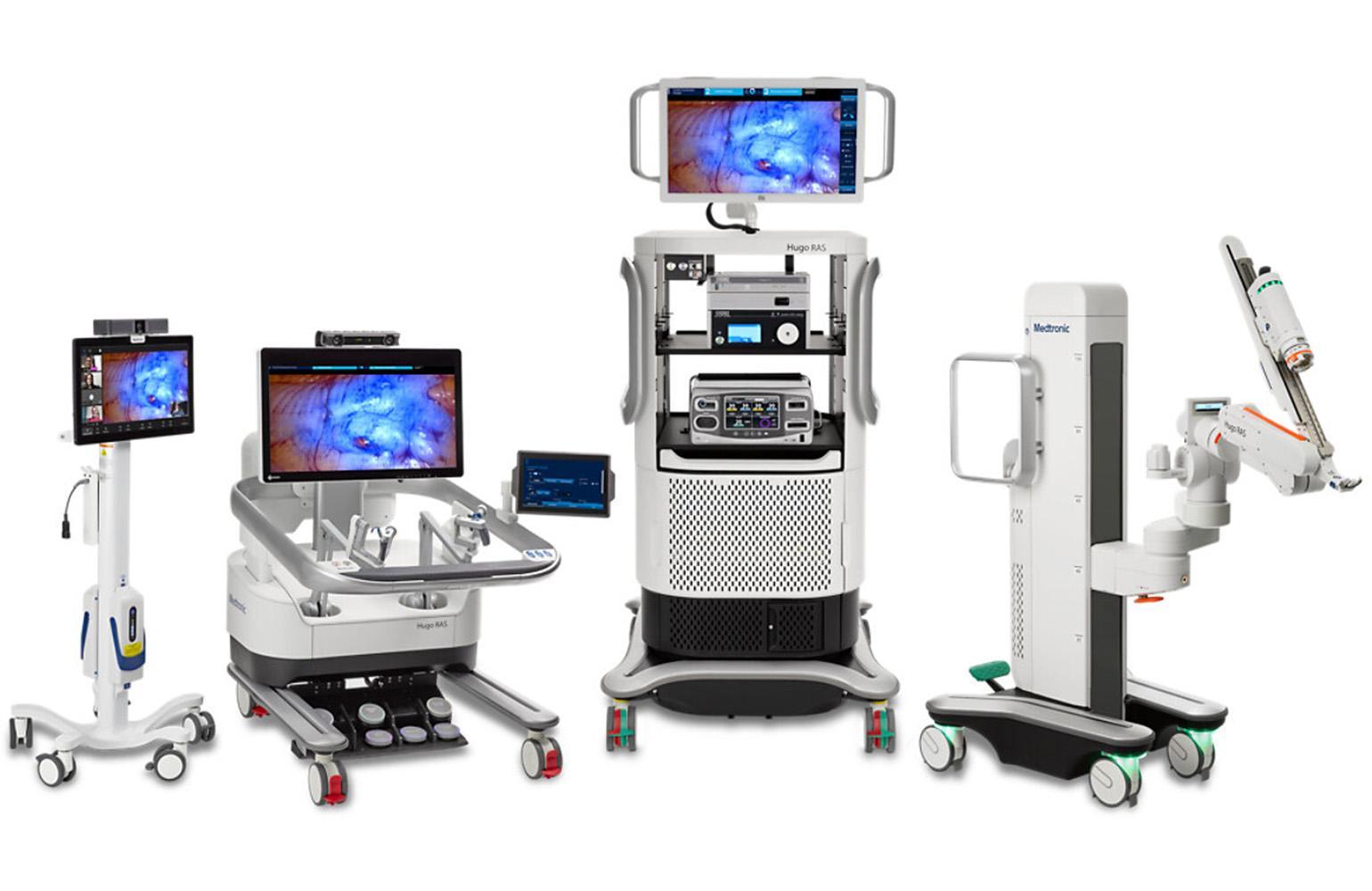
Medtronic’s Hugo surgical robot ready for bigger operation
Crossing 50,000 procedures puts Hugo into the “operational data at scale” phase—iterating on workflows, training, and outcomes, not just hardware. Hospital leaders should be revisiting their surgical robotics roadmap now, because vendor lock‑in will be defined over the next 2–3 buying cycles.
 Robotics & Autonomy
Video Friday: Drone Squeezes Itself to Fit Through Tight Spaces
Shape-shifting quadrotors that can squeeze through tight spaces push drones deeper into inspection, search-and-rescue, and defense workflows where GPS and line-of-sight fail. If you manage critical infrastructure or hazardous facilities, start mapping where morphing or deformable platforms could replace human entry over the next 3–5 years.
 Robotics & Autonomy
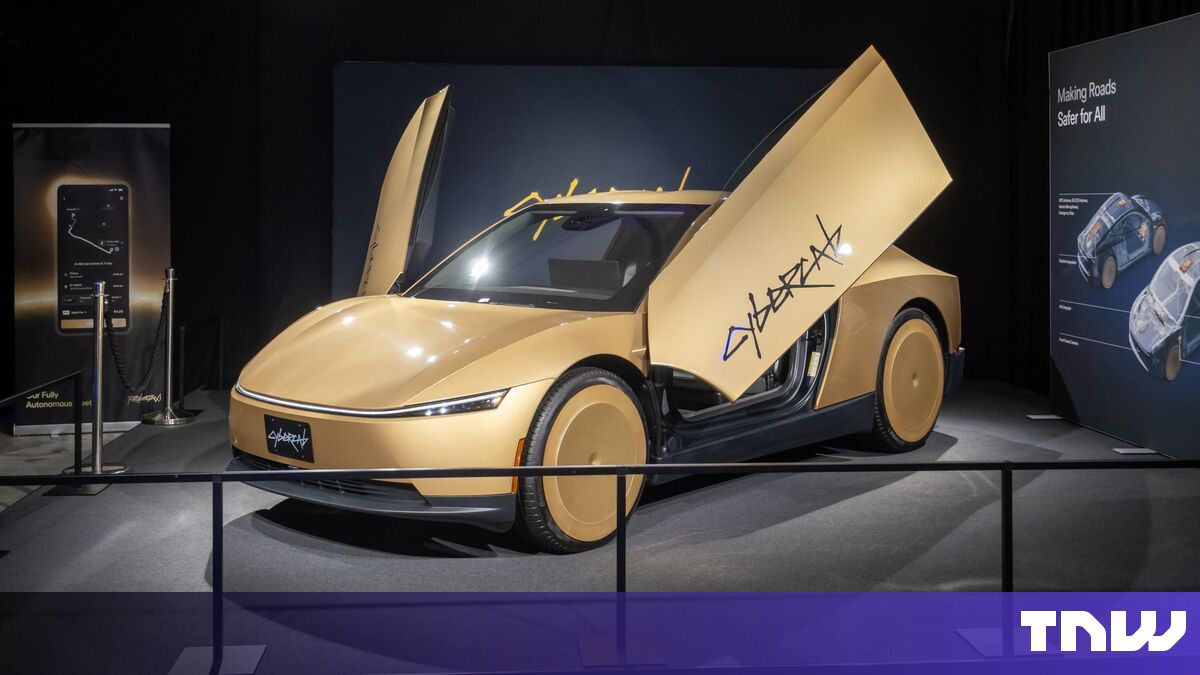
Tesla’s Cybercab, with no steering wheel, starts carrying riders in Dallas
A steering-wheel-free Cybercab carrying riders in a second city means regulators are now tolerating fully committed autonomy form factors, not just retrofitted cars. If you run urban mobility, insurance, or real estate, start planning for curb space, liability models, and rider expectations in a world where “no human fallback” vehicles are normal in some zones.