
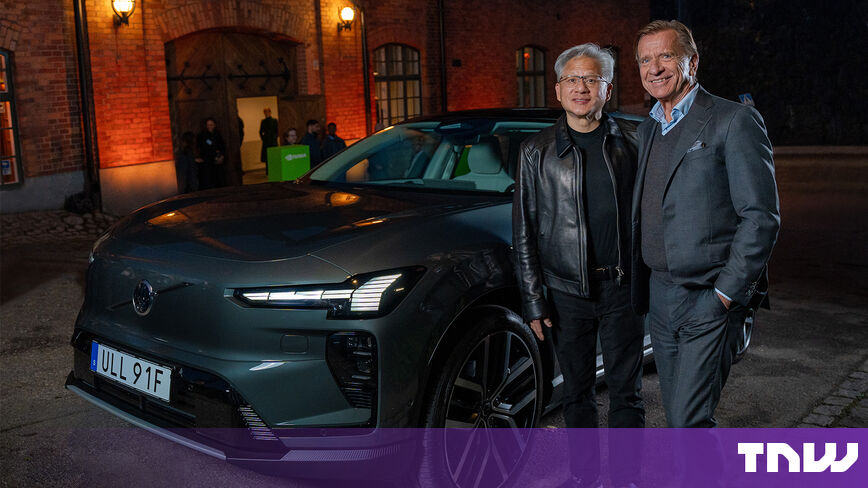
Mercedes-Benz and Volvo will build their next driving systems on Nvidia
THE SO WHAT
Two major automakers standardizing their next-gen driving stacks on the same Nvidia platform concentrates a lot of ADAS/AV leverage in one ecosystem. If you’re in automotive or mobility, plan for a world where differentiation shifts from core perception/compute to data, UX, and service layers on top of a shared silicon and software base.
READ THE SOURCE
MORE FROM THE WIRE
 Robotics & Autonomy
Drones Hit Russian Industrial Site Deep in Western Siberia
Long-range drone strikes on oil and gas assets underline how exposed industrial infrastructure is to cheap autonomy and remote attack. Sensitive: true
 Robotics & Autonomy
Robotic-Assisted Wheelchair Levels Field for Those With Disabilities
Assistive robotics that handle daily tasks without a caregiver expand the addressable market for autonomy beyond factories and warehouses. Health systems, insurers, and device makers should be mapping where robotic augmentation can reduce care bottlenecks, not just labor costs.
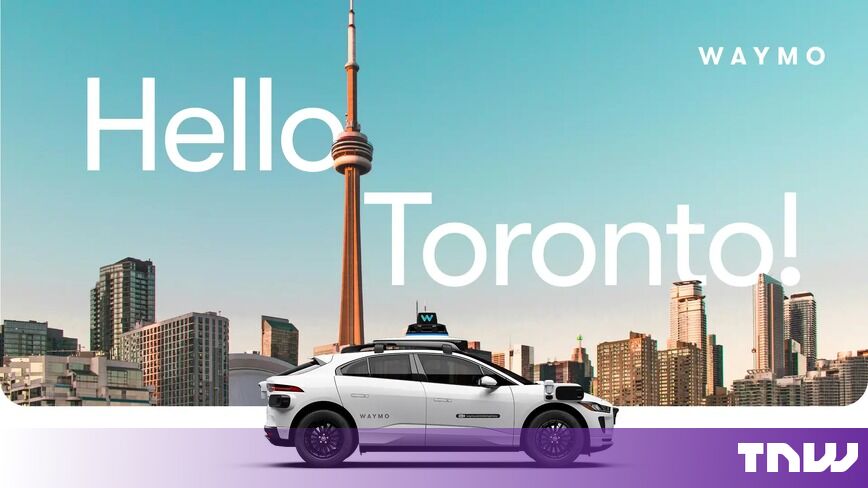
Robotics & AutonomyWaymo plans to launch its robotaxis in Toronto in 2028 in partnership with Element Fleet Management, the company's first deployment in Canada
Waymo planting a 2028 flag in Toronto with a fleet partner shows robotaxis are expanding via long-dated, city-specific commitments rather than quick rollouts. If you’re in urban mobility or real estate, treat these timelines as real for zoning, curb space, and partnership planning—even if technical details evolve.
 Robotics & Autonomy
Waymo plans robotaxi service in Toronto by 2028, its first in Canada
Waymo targeting first Toronto riders in 2028 shows urban robotaxis are on a multi-year regulatory and integration timeline, not a flip-the-switch rollout. City planners and mobility operators in major metros should start mapping curb space, data-sharing, and transit integration now if they want leverage when AV fleets arrive.