
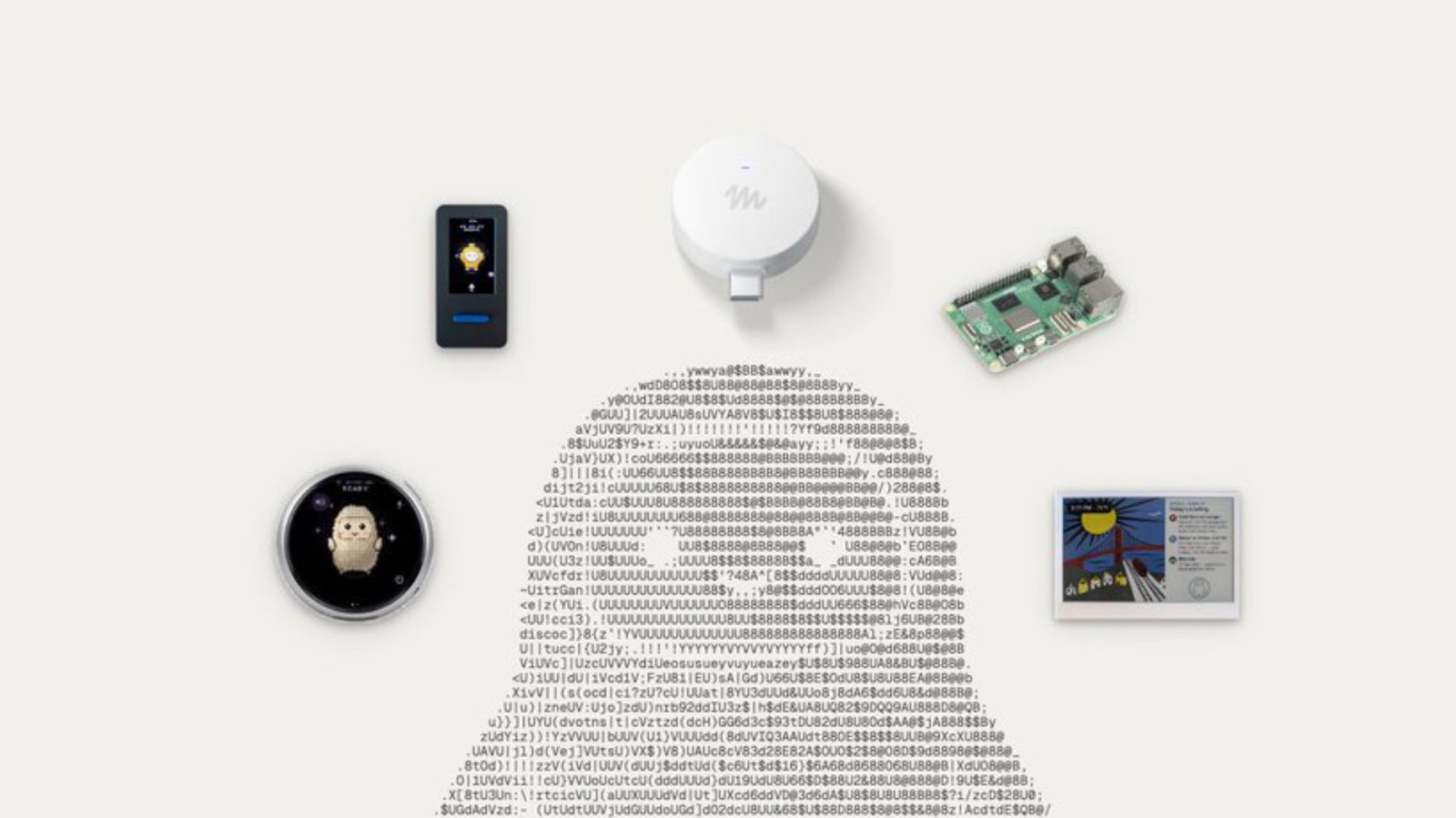
Meta announces Muse Gadgets, providing an open source ESP32 microchip firmware and a Linux SDK to let users bring Muse to their hardware, like Raspberry Pi 5
THE SO WHAT
An open ESP32 firmware and Linux SDK for Muse turns Meta’s assistant into a drop-in brain for cheap, networked hardware. Hardware teams can now prototype AI-first devices on commodity boards in weeks—your differentiation will live in form factor, UX, and data, not basic assistant capability.
READ THE SOURCE
MORE FROM THE WIRE
 Applied AI
NYU's Gary Marcus on AI development concerns
When a long-time critic like Gary Marcus is on Bloomberg arguing labs can’t reliably control their systems, he’s channeling a growing institutional anxiety, not just a personal brand. Expect boards and regulators to lean harder on verifiable guardrails and incident reporting before greenlighting more aggressive AI deployments.
 Applied AI
AI can’t fix a business system with broken processes
The expensive misconception is thinking AI will paper over bad processes instead of amplifying their failure modes. Before you fund another AI pilot, map the underlying workflow debt you’re about to accelerate.
 Applied AI
Apple will update Macs to protect users from AI agents with full disk access
Apple treating AI agents as a distinct risk class in macOS Full Disk Access means OS vendors now see autonomous workflows as a security boundary, not just an app feature. If you’re shipping agents on desktop, assume more prompts, more friction, and the need for a crisp least-privilege story.
Apple is adding new privacy safeguards for Mac users as AI agents get more powerful
New macOS controls that force explicit user action before apps — including AI agents — can touch mail, messages, history, and files make data access a UX tax you have to earn. Agent builders need to design around granular, just-in-time permissions instead of assuming blanket disk access.