
Meta Debuts Dedicated Muse Charm Gadget for AI Assistant Users
THE SO WHAT
A palm-sized Muse Charm is Meta’s bid to own AI usage “on the go,” not just in feeds and chats. If you’re in payments, local search, or commerce, start mapping how your flows would work when initiated by a screenless device that controls the conversation context.
READ THE SOURCE
MORE FROM THE WIRE
 Applied AI
Ringg’s AI agents resolve up to 65% of customer calls with OpenAI
If GPT-5.6 can handle 65% of calls across channels at 90% lower unit cost than GPT-4.1, the economics of front-line support are tilting from augmentation to replacement. CX leaders should be modeling what happens when the marginal cost of an incremental support interaction rounds toward zero and quality becomes the only real constraint.
 Applied AI
Meta says it will allow its AI glasses users to opt out of having their "visual data" used to train its AI or shown to third-party contractors outside the US
Opt-outs on visual training data turn smart glasses into a consent and data-governance product, not just a hardware one. If you’re deploying or integrating with these devices, assume regional policy fragmentation and build for per-user data controls from day one.
 Applied AI
Altman and Amodei Performed Their Stop-Us-From-Murdering-the-World Routine for the UN
When multiple frontier lab CEOs ask the UN for guardrails, they’re inviting multilateral oversight into their roadmap. For operators, that means long-term planning around advanced models should include regulatory latency—export controls, eval requirements, and licensing could become gating factors, not afterthoughts.
 Applied AI
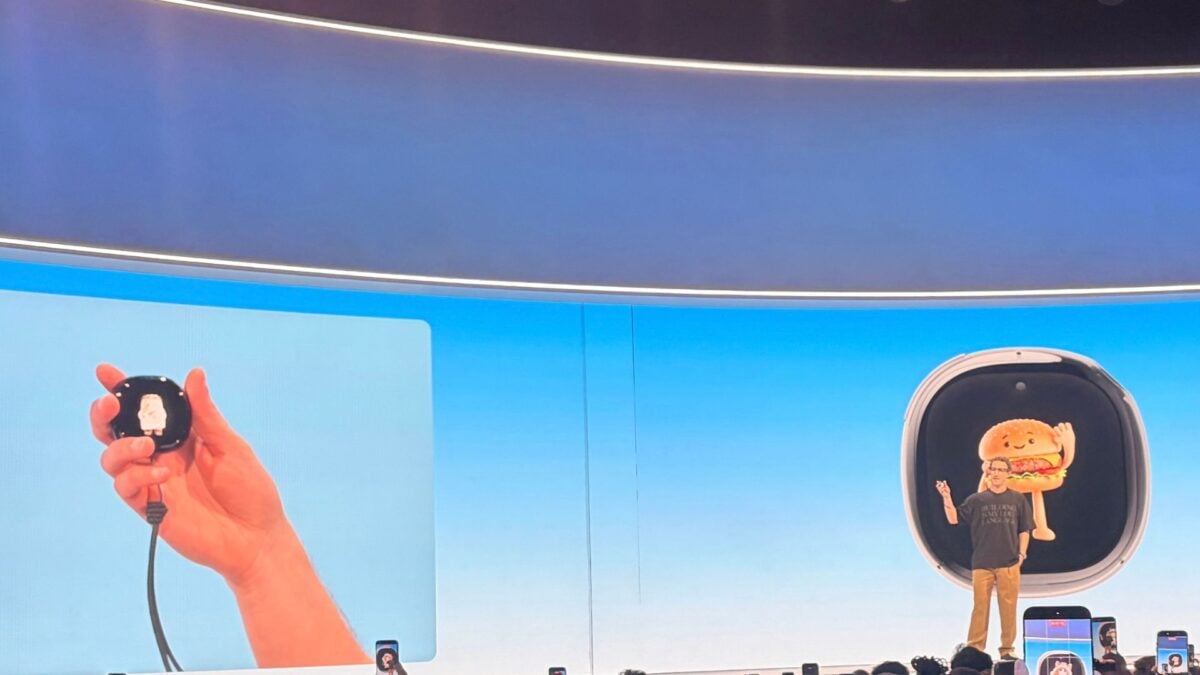
Mark Zuckerberg’s ‘One More Thing’ Was an AI Keychain?!
Meta is treating AI hardware like fashion accessories — low-cost, high-frequency touchpoints that keep its agent in your hand, pocket, and on your face. For operators, the question is whether your product lives inside these emerging AI-first surfaces or gets disintermediated by them.