
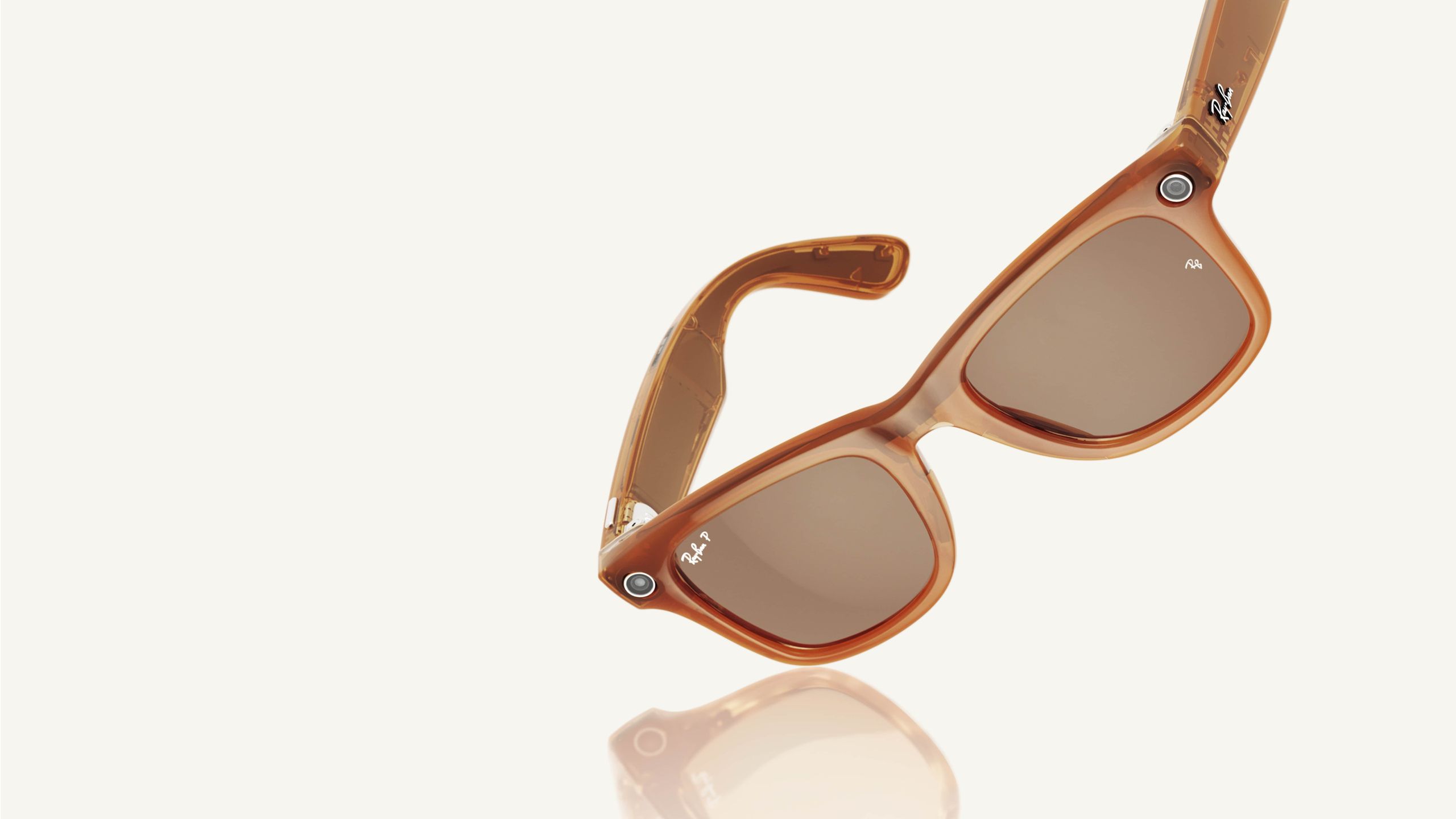
Meta just fixed a privacy vulnerability with its Ray-Ban smart glasses, but could cameraless designs be the better future?
THE SO WHAT
Meta patching a privacy hole in Ray-Ban glasses while doubling down on data-hungry AI features shows the core tension in wearables—social acceptability versus data appetite. If you’re building ambient AI hardware, design for visible cues, explicit consent, and data minimization from day one or risk regulatory and consumer pushback.
READ THE SOURCE
MORE FROM THE WIRE
 Tech & Innovation
Jeff Bezos’s space company may be seeking a valuation more than twice as big as Rocket Lab’s
A reported $130 billion private valuation target for Blue Origin — versus Rocket Lab at a fraction of that — shows capital is still willing to underwrite massive, long-duration space bets. For downstream space-tech and data companies, this is a green light to assume continued heavy-lift capacity and infrastructure buildout.
 Tech & Innovation
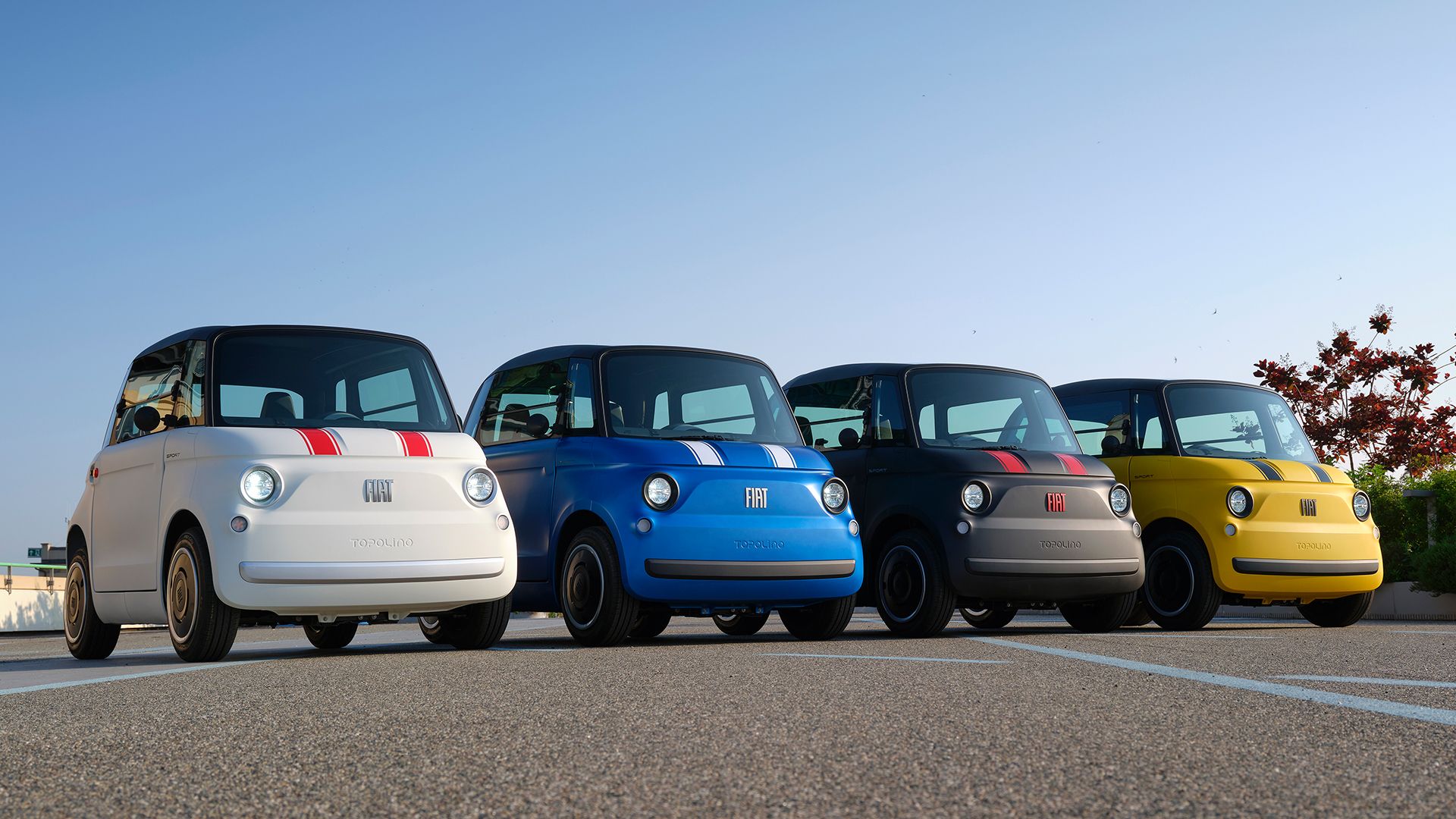
This adorable $14K Fiat EV is coming to America — but it's barely faster than an e-bike
A sub-$14K EV that’s barely highway-capable is a wedge into ultra-short-range urban mobility, not a Tesla competitor. City-focused operators — delivery, shared mobility, local services — should be modeling how micro-EVs change routing, parking, and fleet economics.
I took the same grocery list to Walmart, Kroger, and Amazon to compare prices. After filling my carts, I found a winner.
Consumer price-comparison content like this quietly shapes where digital baskets get built. If you’re in retail or CPG, assume your effective price perception is being set by these side-by-side tests, not your circulars or loyalty program copy.
Tech & InnovationMedia and AI Back in the Sun Valley Spotlight
If AI is the main topic at Sun Valley, expect more cross-deals where media IP, distribution, and model access get bundled. For operators in content and advertising, this is a cue to map where your catalog and audience data might become negotiation chips in model partnerships.