
Meta Muse AI Personal Assistant Gets Off to Fast Start
THE SO WHAT
A fast start for Meta’s Muse assistant reinforces that the home screen and social graph are now AI assistant distribution channels, not just messaging surfaces. If you’re building assistant-like experiences, design for coexistence and handoff with platform-native assistants rather than assuming you’ll own the primary slot.
READ THE SOURCE
MORE FROM THE WIRE
Alexandr Wang's relentless 'tweet cannon' is Meta's not-so-secret weapon in the AI promo war
AI leadership is becoming a distribution channel — 300+ posts since Muse launched is coordinated narrative shaping, not founder boredom. If you’re shipping AI products, assume perception of pace will be managed in public and plan your own comms as part of the product strategy, not an afterthought.
 Applied AI
OpenAI extends cyber access to Ukraine for civilian defense
Frontier AI tools are now part of national cyber defense — OpenAI extending Daybreak access to Ukraine formalizes that shift. If you run critical infrastructure anywhere, assume AI-augmented cyber operations on both sides of the threat model and revisit how you detect and respond to machine-speed campaigns.
 Applied AI
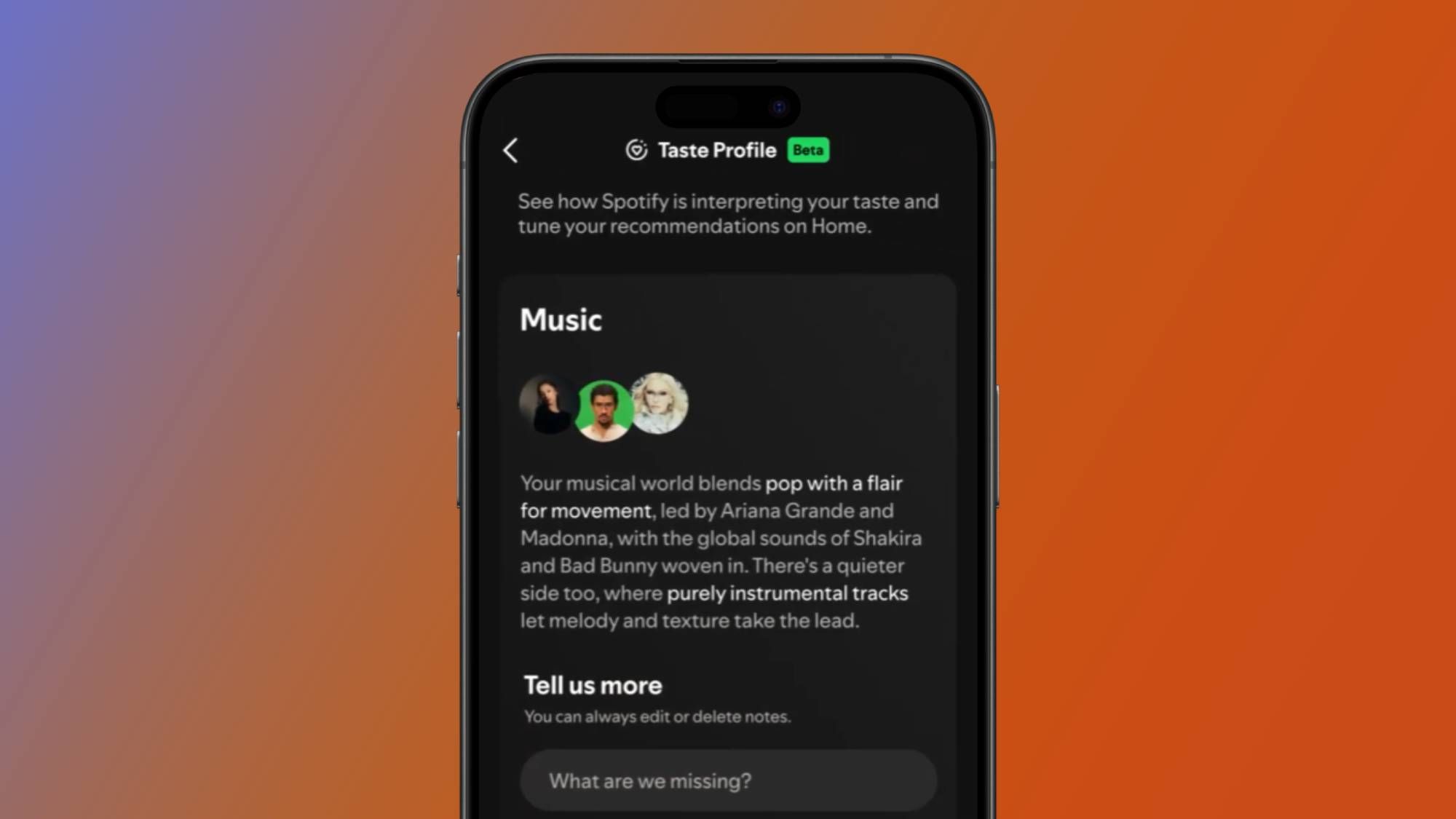
Spotify’s is giving you the keys to its recommendation algorithm with US launch of ‘Taste Profile’
Letting users see and edit their ‘Taste Profile’ is a shift from opaque recommender systems to co-piloted curation. Any product leaning on personalization should expect rising pressure for user controls — and the teams that expose simple, legible knobs will collect better data and more trust.
 Applied AI
Spotify's Taste Profile tool is now available in beta for US Premium subscribers
Rolling Taste Profile to US Premium users turns preference editing into a mainstream behavior, not a niche setting. If your product has a recommendation engine, start experimenting with user-facing preference models now — waiting means retraining users later against Spotify-shaped expectations.