
Meta Unveils AI Assistant for Personal Tasks
THE SO WHAT
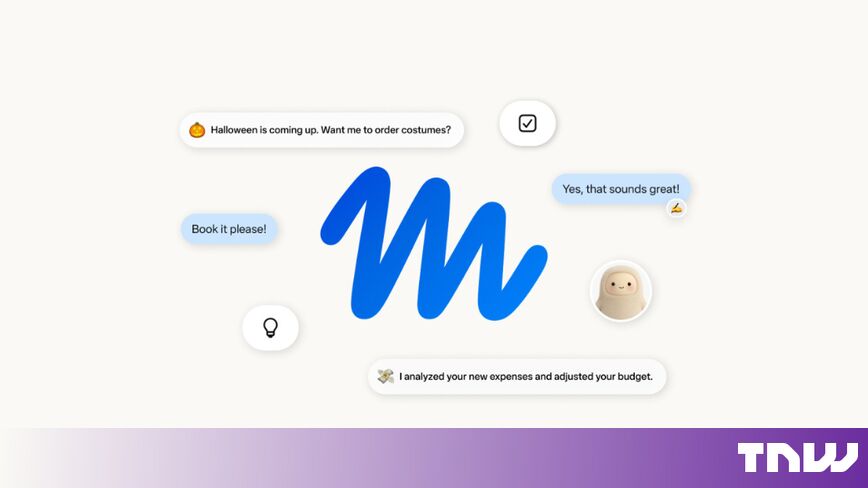
Meta’s Muse, pitched as an AI that handles shopping, tickets, and scheduling, is a direct play to own the last mile between intent and transaction. Merchants and service providers should expect a growing share of demand to be intermediated by agents that optimize for user constraints and price, not your funnel design.
READ THE SOURCE
MORE FROM THE WIRE
 Applied AI
An Anthropic researcher quit saying AI labs are gambling with our lives
Public resignations from alignment staff — including a researcher who spent three years across OpenAI and Anthropic — raise the internal-risk signal from abstract ethics to concrete talent flight. Boards and execs should assume top technical hires will increasingly ask for hard evidence of safety governance, not just policy pages.
 Applied AI
EU auditors say AI is helping tobacco smugglers pick their next target
Criminal networks using AI to optimize illicit tobacco routes while the EU lacks a reliable picture of the market shows the analytics gap has flipped — enforcement is now behind. Compliance and risk teams should assume adversaries have access to the same optimization tooling as your ops group and design controls accordingly.
 Applied AI
Google to Invest €13 Billion in AI Infrastructure in Finland
Google earmarking at least €13 billion for AI infrastructure in Finland is a bet on cool climates, stable grids, and EU proximity as competitive levers for training and inference. If you’re planning heavy AI workloads in Europe, data residency, power pricing, and latency to Nordic sites now belong in your architecture decisions.
 Applied AI
Meta launches Muse, a personal AI agent that books, buys and negotiates for you
A Meta agent that reads your email, books travel, fills forms, negotiates, and pays with your card turns inboxes and checkouts into an execution surface — not just a marketing one. If you sell online, you now need to optimize for machine customers that care about constraints and outcomes, not branding.