
Meta's camera-free AI glasses look like regular Ray Bans
THE SO WHAT
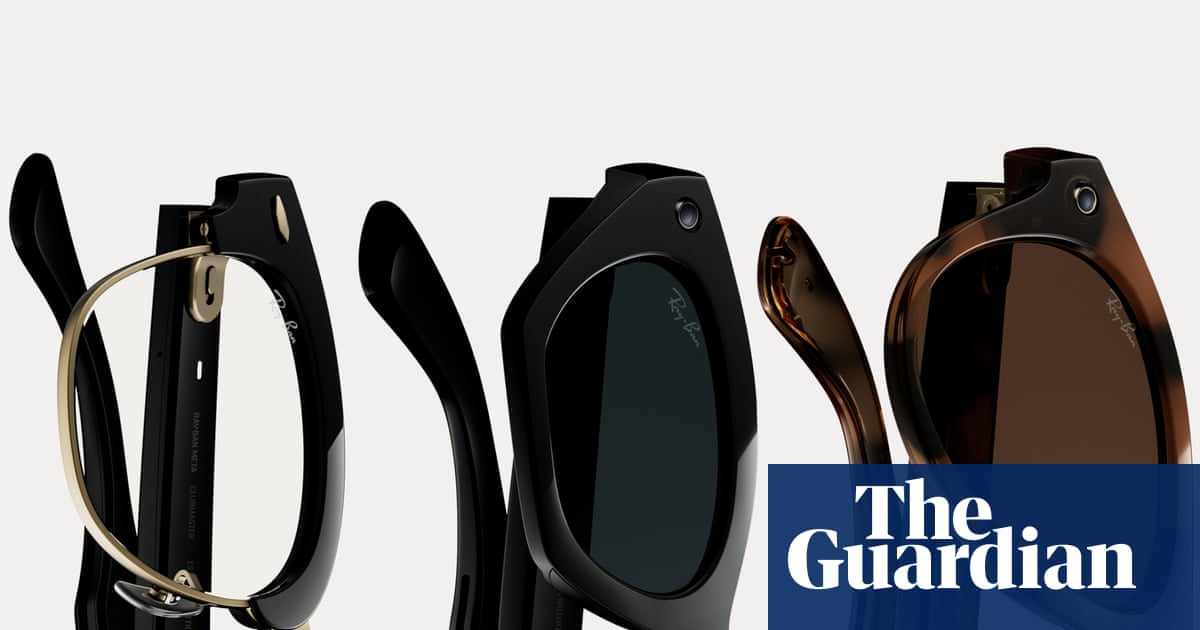
$349 audio-only Ray-Bans that look like normal glasses are Meta’s answer to the “creep glasses” label—AI in your ear, not in everyone’s face. For brands and employers, this form factor will be far easier to approve in customer-facing roles than camera-first devices.
READ THE SOURCE
MORE FROM THE WIRE
 Tech & Innovation
Zuckerberg announces Meta VR Glasses, a lightweight virtual reality device for $1,299
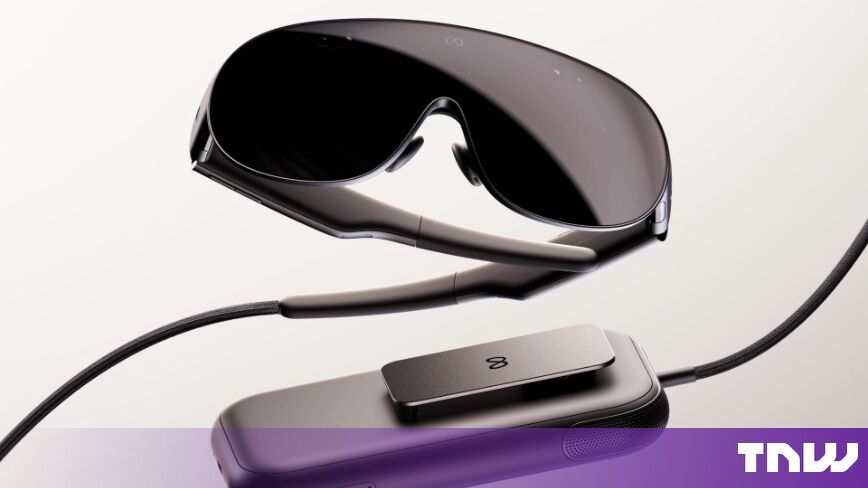
A 100-gram, $1,299 VR Glasses SKU with cinema mode and Quest compatibility reframes VR as something you can actually wear for hours, not minutes. Content teams should assume “lean-back” use cases like video and productivity may have more runway than fully immersive apps in the near term.
 Tech & Innovation
Meta unveils $1,299 VR glasses and turns its AI glasses into hearing aids
Bundling 100-gram VR Glasses at $1,299 with FDA-adjacent hearing-aid functionality in AI glasses moves Meta from “gadget” into quasi-medical and accessibility territory. If you build around wearables, assume regulatory-grade health and assistive features will become table stakes, not bolt-ons.
 Tech & Innovation
Revolut unveils facial recognition payments in UK
Face-as-wallet moves biometric risk from your phone to every merchant terminal you visit. If you’re a retailer or fintech, you now have to decide whether the conversion lift is worth owning a high-sensitivity identity surface that regulators and fraud rings will both target.
 Tech & Innovation
Meta debuts no-camera smart glasses and virtual reality spectacles
Camera-free audio glasses alongside VR spectacles show Meta explicitly segmenting “socially acceptable” wearables from fully instrumented ones. If your product depends on continuous capture, expect more users and venues to prefer devices that trade capability for lower perceived surveillance.