

Meta’s super-sensing AI glasses are still in the works, and I don’t know if I should be excited or terrified
THE SO WHAT
“Never forget anything” AI glasses move data capture from phones to your face—shifting privacy, compliance, and UX assumptions overnight if they ship at scale. Any consumer or workplace app that touches sensitive contexts should start modeling what happens when users have always-on, first-person recording and recall baked into their hardware.
READ THE SOURCE
MORE FROM THE WIRE
 Applied AI
OpenAI, Anthropic Hit New Speed Bump With US Government
A more active federal review of frontier models means release cycles and capability rollouts now carry regulatory lead time. If your product depends on the latest model weights, build contingency plans for slower or staggered access across vendors.
 Applied AI
Meta enters the crowded AI coding battle with Muse Spark 1.1
Meta joining the AI coding assistant fight with Muse Spark 1.1 means developer tools are now a front-line distribution channel for foundation models. If you run an internal dev platform, you’re choosing not just a copilot but an ecosystem tie-in with Meta, OpenAI, or Anthropic.
 Applied AI
OpenAI is discontinuing ChatGPT Atlas, its standalone desktop browser, in favor of the new ChatGPT desktop app
Sunsetting ChatGPT Atlas in favor of the unified desktop app is another step toward consolidating experimentation into a single consumer and enterprise surface. If you’re building on OpenAI, expect fewer side products and more pressure to integrate with the core ChatGPT client.
 Applied AI
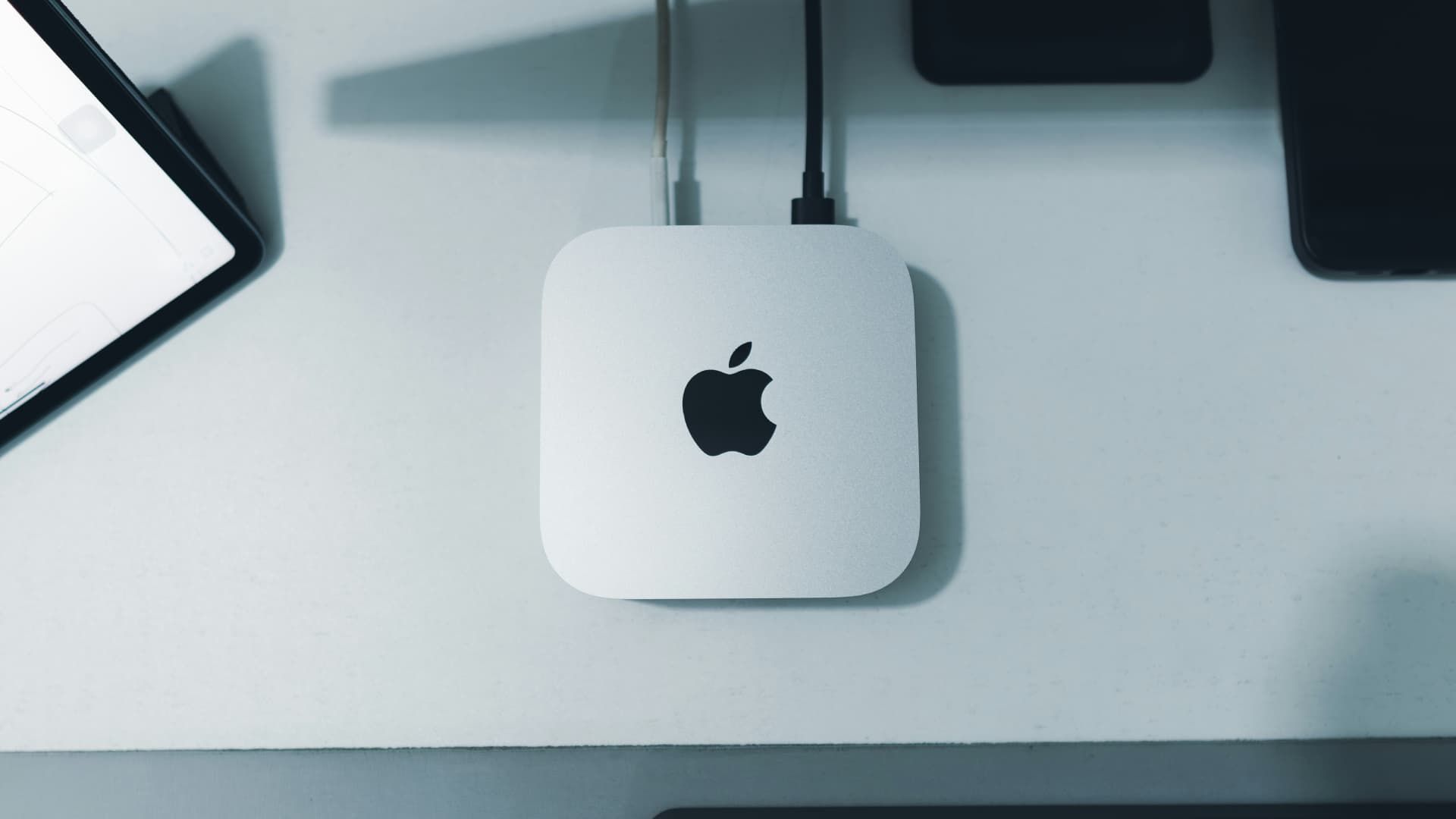
It's not just about the GPU crunching on an LLM anymore': Apple silicon leader explains why a Mac Mini could be the surprising choice for a machine running all your AI agents
Apple arguing that a Mac Mini can comfortably run AI agents is a push toward local, always-on orchestration rather than pure cloud dependence. If you’re designing agent architectures, start modeling what runs on edge hardware versus centralized GPUs for latency, privacy, and cost.