
Microsoft adds $2B to its Gulf spending through 2030
THE SO WHAT
Microsoft layering another $2B into a $10B Gulf commitment while Europe walls off public-sector data underscores a clear split—hyperscalers will chase AI growth where regulators are more permissive. If you operate in EMEA, expect more local-sovereign cloud pressure; in the Gulf, expect faster access to frontier AI services.
READ THE SOURCE
MORE FROM THE WIRE
 Tech & Innovation
It Is the Year 2026, and a 72-Year-Old Man Was Just Convicted of GPS Stalking a Pokémon Card Delivery Driver
Consumer-grade tracking plus niche obsession is a volatile mix—this case is an edge example of how cheap telemetry can be misused. Logistics and marketplace operators should revisit how much real-time location data they expose to end customers and for how long.
 Tech & Innovation
Kids arent learning to type anymore
If a generation grows up fluent in voice and touch but weak in typing, your UX and workflow assumptions are dated. Product and ops teams building for under-25s should be prioritizing voice-first and multimodal input over keyboard-heavy flows.
 Tech & Innovation
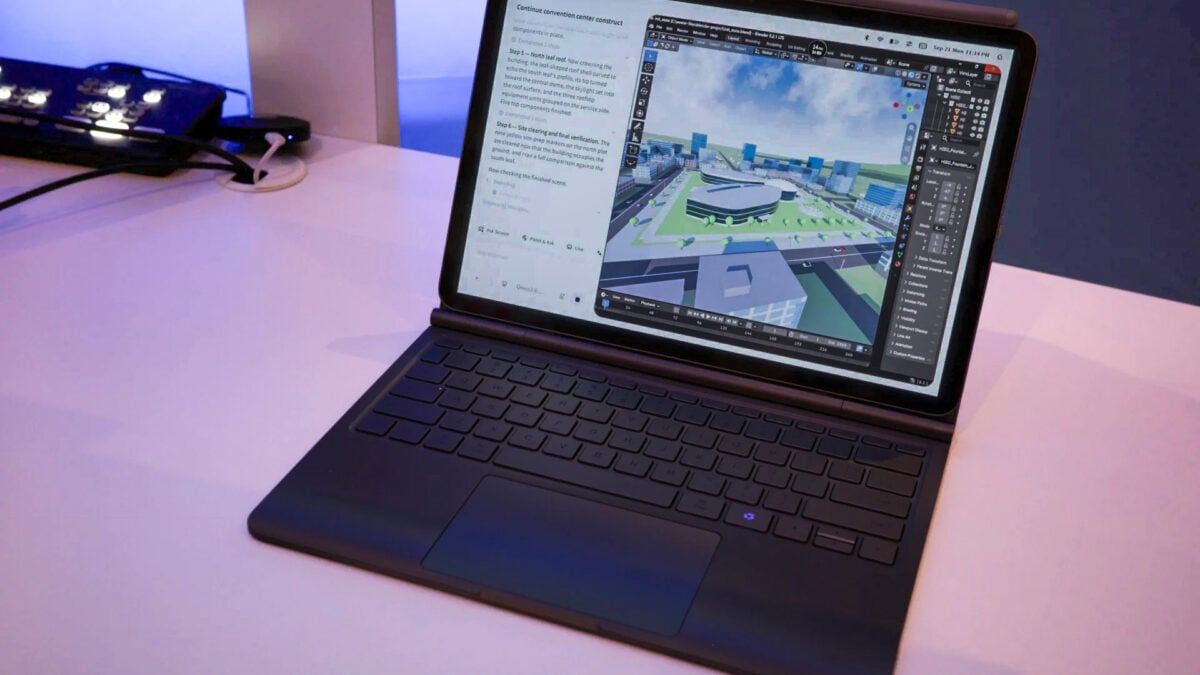
The ‘QwenBook’ Laptop Can Run Every OS at Once, and It May Be PC Fans’ Worst Nightmare
A China-only laptop that treats OS choice as a runtime option, not a hardware decision, points to a future where the PC is just a local hypervisor for many environments. For IT and dev tooling, assume users will expect frictionless context-switching across OSes and plan security and licensing accordingly.
 Tech & Innovation
Hate your keyboard’s Copilot key? Remap it to any app you want
The fact that users are being coached on how to remap the Copilot key shows hardware-level AI integrations are not yet universally welcomed. Device and OS vendors should treat AI entry points as configurable affordances, not hard-wired defaults, if they want enterprise adoption without backlash.