

Microsoft says MAI-Cyber-1-Flash and MDASH, its vulnerability identification harness, deliver "world-class performance at 50% of the cost of leading models"
THE SO WHAT
Specialized cyber models at half the cost of general LLMs push security toward continuous, AI-saturated scanning rather than periodic audits. CISOs should be budgeting for model-driven vuln discovery as a baseline control and asking vendors to prove cost-per-finding, not just accuracy on benchmarks.
READ THE SOURCE
MORE FROM THE WIRE
 Applied AI
When You Share Claude Chats, You Might Be Sharing Them With Everyone
Publicly indexable shared chats turn every AI assistant into a potential data leak, not just a productivity tool. Treat share links as publishing, not collaboration — and update your internal guidance and red-teaming accordingly.
 Applied AI
Shared a Claude conversation? Google may have seen it.
If a shared AI conversation can land in Google Search, your prompt hygiene is now a security control, not just etiquette. Lock in policies that assume any externally shared chat — across vendors — is world-readable unless proven otherwise.
 Applied AI
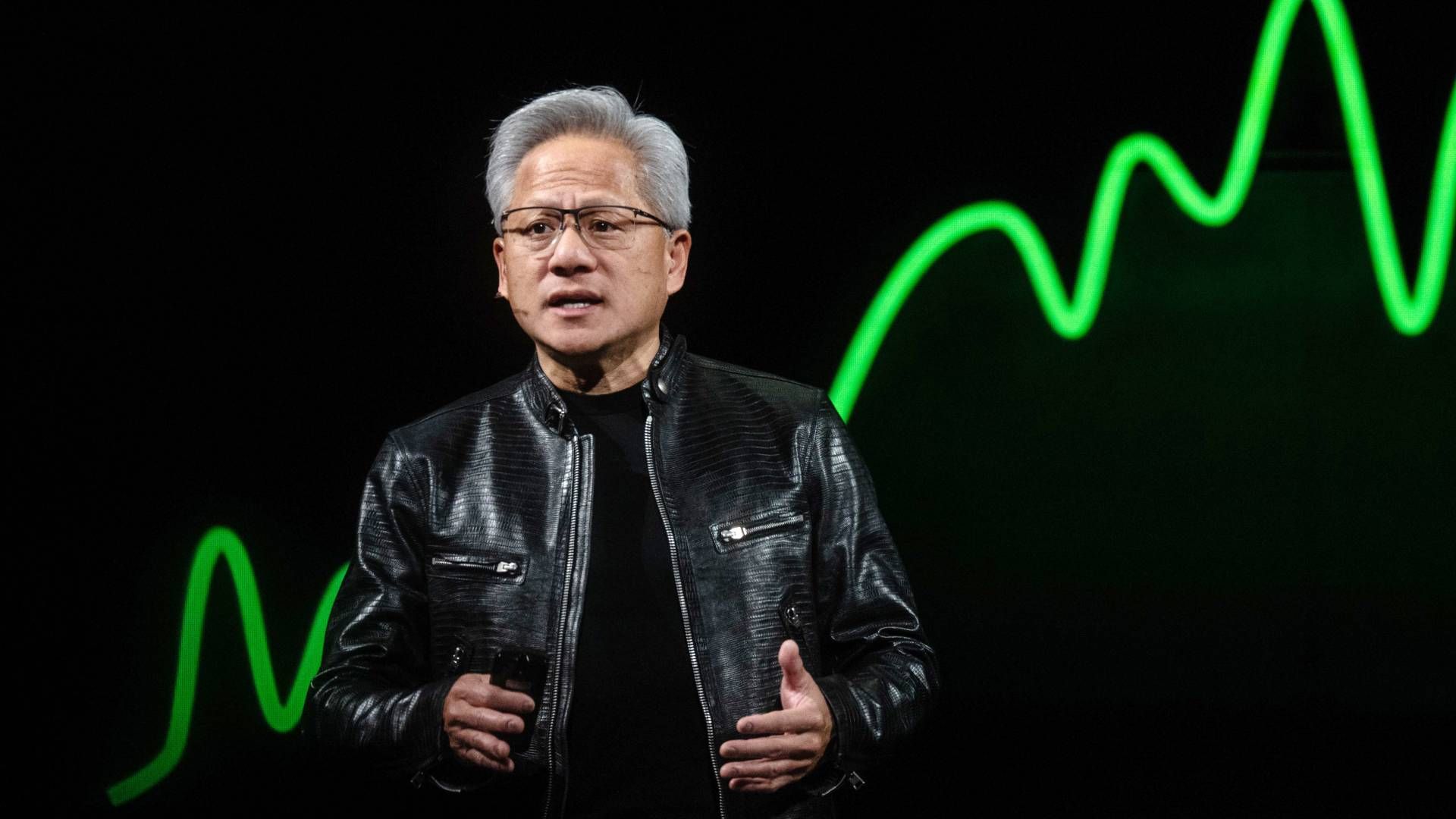
Jensen Huang's first-ever post on X is in defense of open access to AI models
When the leading GPU supplier publicly backs open access alongside Google, OpenAI, and Meta, that’s a signal that open-weight ecosystems are strategically protected, not a side bet. If your roadmap assumes closed models will dominate, you should be modeling a dual-track world on both policy and supply fronts.
 Applied AI
OpenAI’s Hugging Face breach has reignited the debate over alignment and control
Operational security failures are now feeding directly into the alignment vs containment argument—how you manage access and integration is becoming part of your safety posture, not just IT hygiene. If you're consuming third-party models or hosting on shared platforms, treat auth, tenancy, and logging as alignment controls, not optional hardening.