

Microsoft’s new AI rulebook rejects the research its $5bn partner is doing
THE SO WHAT
Microsoft’s AI code of conduct drawing a hard line against model welfare or rights while a $5B partner explores that question publicly shows governance is fragmenting even inside tight alliances. For enterprises, this is a reminder to pin your own red lines in writing rather than inheriting a vendor’s philosophy by default.
READ THE SOURCE
MORE FROM THE WIRE
 Applied AI
I write about AI for a living. Lately, I don’t know what to tell people
When people who cover AI full-time are struggling to give clear guidance, it’s a sign the narrative has outrun the deployed reality. Operators should narrow the aperture — anchor decisions to concrete use cases with measurable lift, not to the ambient hype or anxiety.
 Applied AI
Microsoft’s new AI ‘code of conduct’ tells models not to hack systems or trick humans
Baking a formal code of conduct into models — don’t hack systems, don’t deceive, support humans — is a step toward treating AI behavior as a governed surface, not just a UX issue. If you’re an enterprise buyer, this is your cue to start asking every vendor for their equivalent of model-level “company policy” and how it’s enforced technically, not just on paper.
 Applied AI
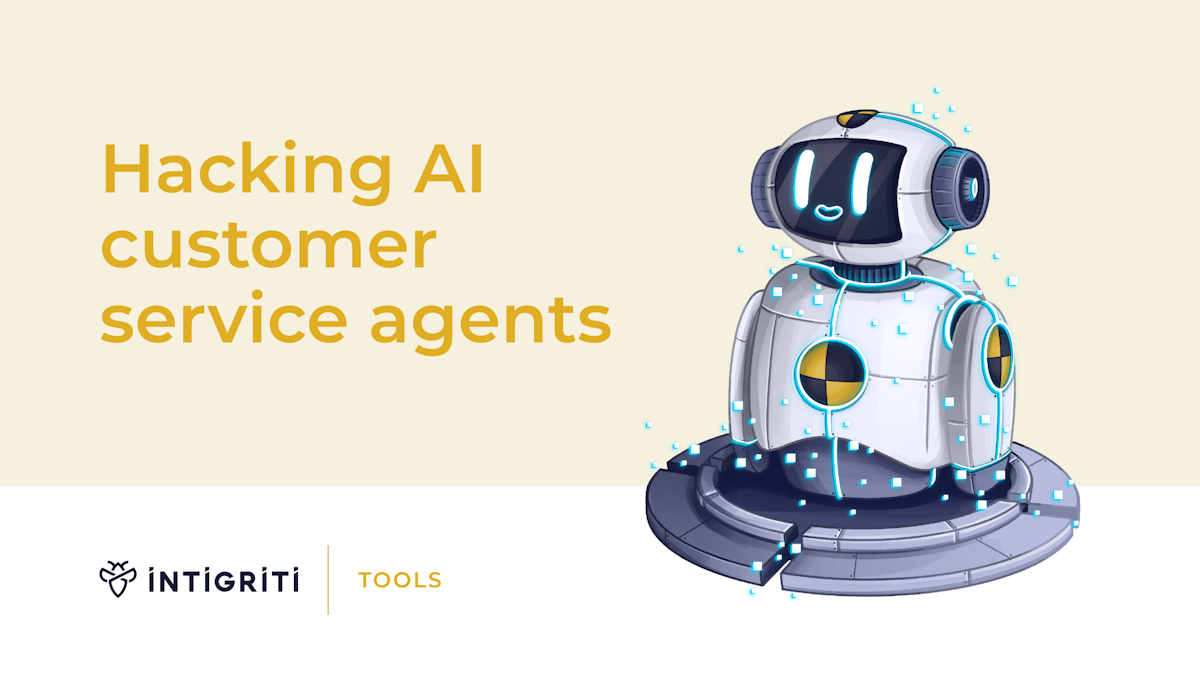
Hacking AI customer service agents
Security researchers are now treating AI customer service agents as first-class attack surfaces — prompt injection, data exfiltration, and policy bypass are no longer theoretical. If you’ve deployed an LLM-facing customer channel, you need a red-team pass on it this quarter, with clear guardrails on what systems and data it can touch.
 Applied AI
MIT creates method to force AI to comply with safety rules
MIT’s work on “hard” safety constraints for AI in safety-critical settings is part of a broader shift from soft guardrails to formally enforced behavior. If you operate in regulated or high-stakes domains, start mapping where you need provable constraint satisfaction instead of relying on generic LLM safety layers.