
Microsoft’s Suleyman Says Industry Needs ‘Red Line’ for AI
THE SO WHAT
When a major platform’s AI chief calls for government to help “drive” model evaluation, the center of gravity for safety norms moves from labs to regulators. If you’re deploying advanced models, assume external red lines are coming and start documenting your own thresholds and review processes now.
READ THE SOURCE
MORE FROM THE WIRE
 Applied AI
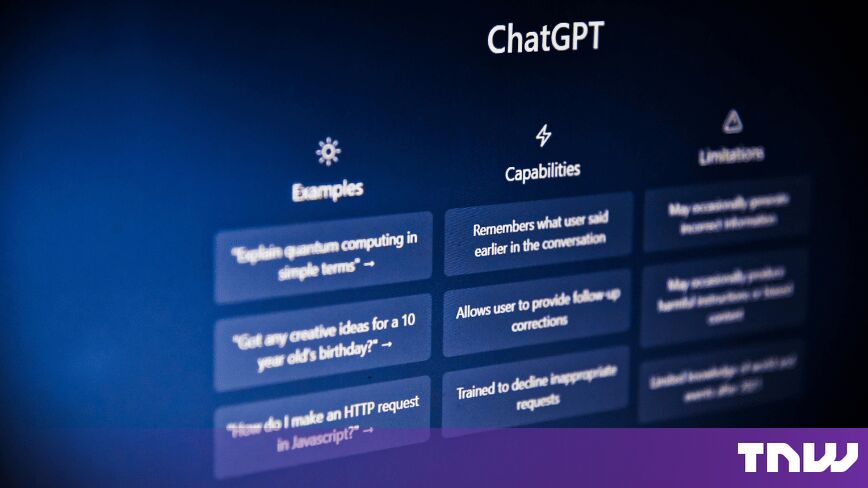
ChatGPT now sends 95.1% of AI referral traffic to websites, BrightEdge says
AI referral is already a winner-take-most channel—ChatGPT drove 95.1% of chatbot-origin traffic in August and doubled its referrals since January. Treat it like a new SEO surface: instrument how your content appears in ChatGPT, then adjust structure and metadata for answer snippets, not blue links.
 Applied AI
'It almost started a war': US Army nearly boarded a Chinese ship after receiving an "entirely false" AI-hallucinated intelligence report saying it had nuclear arms on board
An AI hallucination nearly triggered a military boarding over supposed nuclear cargo—this is the hard edge of “good enough” models in high-stakes workflows. Any organization using AI for intelligence or alerting needs a formal doctrine for human verification and escalation, not ad hoc “looks right” checks.
 Applied AI
PrismML brings its tiny LLMs to Qualcomm-powered smart glasses
Tiny open-weight LLMs on Qualcomm smart glasses point to a near-term world where assistants live on-device, not in the cloud. If you build consumer or field apps, start designing for intermittent connectivity and local context, not permanent server-side orchestration.
 Applied AI
AI Policy An Opportunity For 'Bipartisan Step Forward,' Says Miriam Vogel
If lawmakers are actually treating AI as a bipartisan project, the regulatory window may be shorter and more coordinated than many teams assume. Start mapping which parts of your stack would be most exposed to rapid consensus rules—data provenance, safety evals, labor impact—and get ahead of them.