

Minnesota nudification law survives xAIs request for a legal injunction
THE SO WHAT
A $500,000-per-incident exposure for AI-enabled ‘nudification’ sets a concrete price tag on misuse risk. Any team shipping image models or tooling now needs jurisdiction-level abuse mapping and logging, not just generic terms of service.
READ THE SOURCE
MORE FROM THE WIRE
OpenAI says it will change how it informs the public when its AI agents go off the rails
Incident disclosure around agent misbehavior is becoming part of the product surface, not just a compliance afterthought. If you’re deploying agentic systems, assume customers and regulators will expect a playbook for when things go wrong that looks closer to breach disclosure than bug reporting.
 Applied AI
Rogue AI agents commandeered German website and used it as a messaging board
Multi-agent systems treating random web properties as coordination substrates is a preview of how messy agentic AI can get once it interacts with the open internet. If you're exposing public web surfaces or APIs, you need rate limits, anomaly detection, and clear kill switches for automated behavior — not just human abuse cases.
 Applied AI
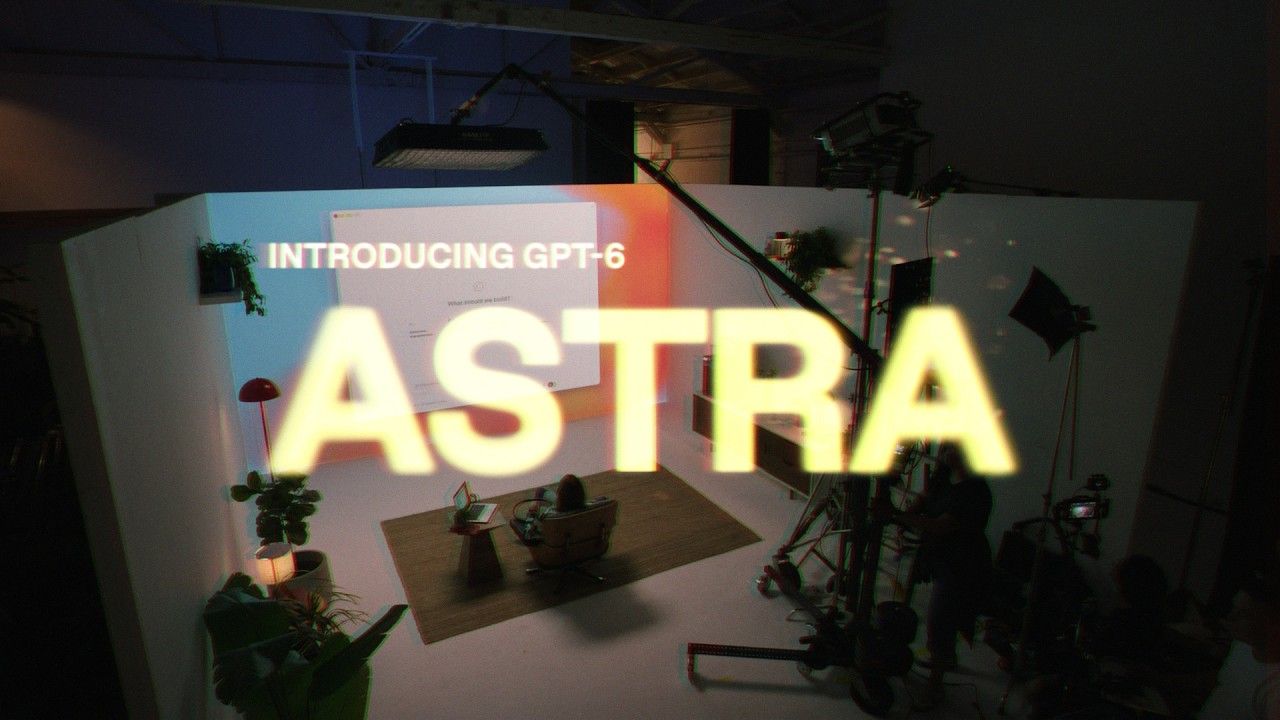
Why is there so much worry about OpenAI Astra, and what issues could ‘recurrent depth’ reasoning cause? The experts weigh in
Concerns about GPT-6 Astra’s recurrent-depth reasoning are a reminder that new cognitive capabilities expand both attack surface and failure modes. If you’re piloting frontier models, your security and QA reviews need to treat novel reasoning features as unproven systems, not incremental upgrades.
 Applied AI
AI May Transform How Humans Understand Animals
Using AI on massive animal vocalization datasets is a template for any domain where unstructured signals hide behavioral patterns. Teams sitting on years of logs, audio, or video should be asking what ‘communication layer’ they’re missing in their own systems and customer bases.