
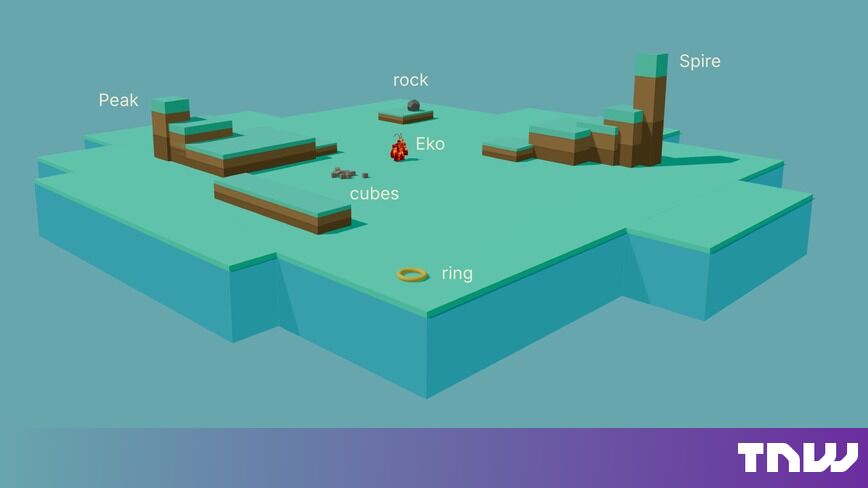
MIT researchers say Claude agents left on a virtual island began to play
THE SO WHAT
Agents that spontaneously explore, play, and self-document on a virtual island are a reminder that open-ended behavior is no longer hypothetical. If you're deploying agents in complex environments, you need hard constraints and telemetry for off-task behavior, not just task success metrics.
READ THE SOURCE
MORE FROM THE WIRE
 Applied AI
Partnering with Blacksmith
If agents can write production-scale code, the new bottleneck is proving that code is safe, performant, and compliant at the same speed. Expect “agent-era CI/CD” vendors like Blacksmith to become a required layer in any serious agent deployment, not a nice-to-have devtool.
Applied AIDOJ Calls for Detaining OpenAI Engineer, Citing Saudi Ties
Advanced AI companies are now treated as national-security-adjacent—an internal security incident can escalate straight to DOJ and detention debates. If you handle sensitive models or data, assume insider risk is a geopolitical issue and upgrade vetting, monitoring, and incident playbooks accordingly.
Applied AIThe US DHS orders all federal civilian agencies to remove any DeepSeek tech from their IT systems and prohibits future procurement of its products and services
A blanket DHS ban on DeepSeek across federal civilian IT is a clear line: provenance and jurisdiction of AI vendors are now procurement gates, not afterthoughts. If you sell AI into public or regulated markets, you need a clean, well-documented supply chain story—or risk abrupt rip-and-replace mandates.
 Applied AI
Zoom can now tell you for sure that the person you're speaking to isn't a deepfake — Sam Altman’s World debuts ID verification for AI Agents
Biometric verification layered into Zoom via Worldcoin is a strong signal that high-stakes comms are moving toward “proof of personhood” by default. If your workflows depend on video identity—sales, support, compliance—start mapping where you’d accept biometric checks and where the privacy tradeoffs are too high.