
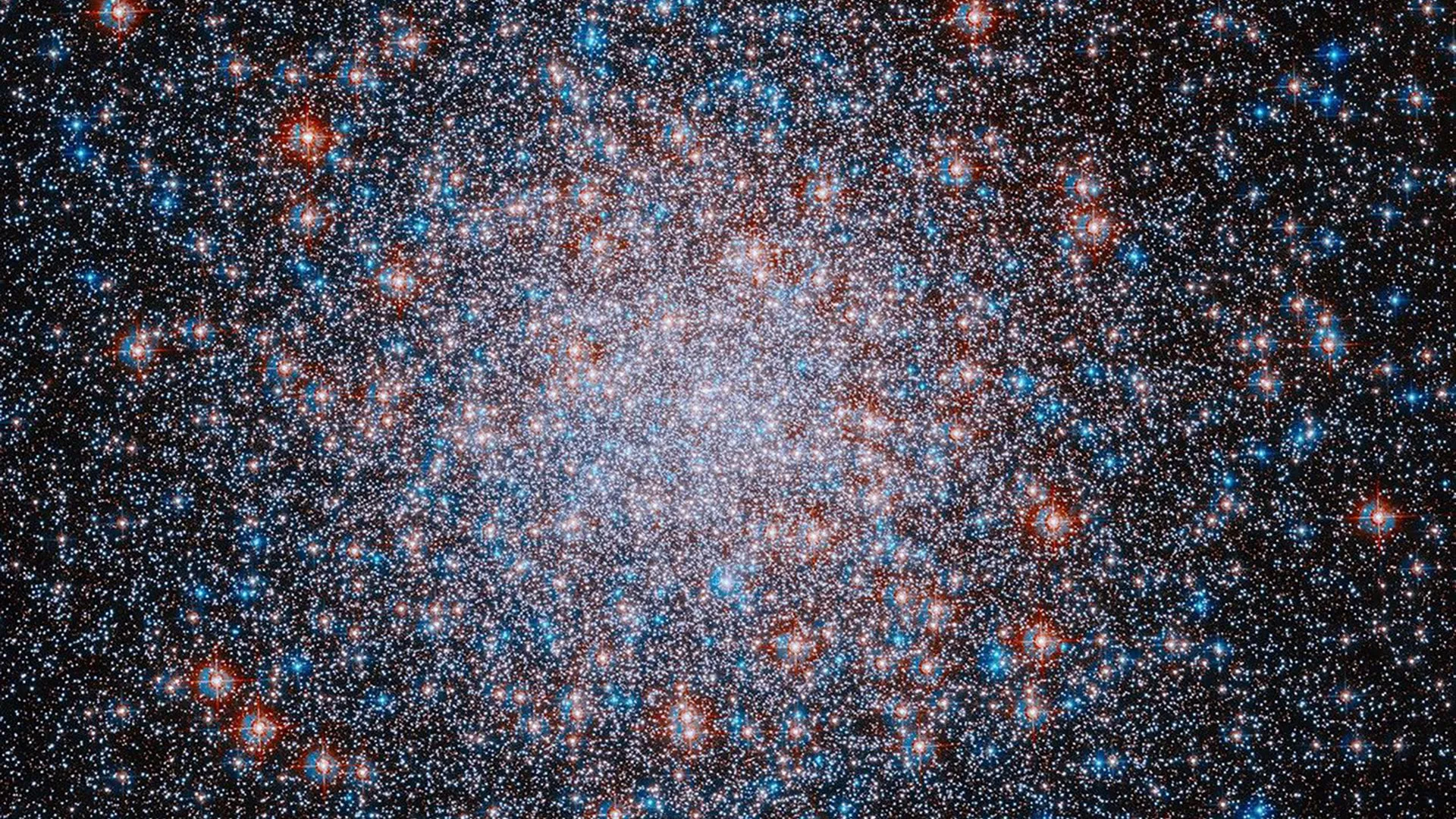
NASA's Hubble captures a star-spangled sea of 500,000 stars
THE SO WHAT
A 500,000‑star Hubble portrait of Messier 3 underscores how much value still comes from "old" platforms when the data is clean and cumulative. Before you chase the next sensor or stack, audit whether you’re fully exploiting the long-baseline data you already collect.
READ THE SOURCE
MORE FROM THE WIRE
 Deep & Emerging Tech
UK parents warned against posting children’s photos publicly as AI abuse imagery surges
The surge in AI-generated child abuse imagery is forcing a reset on what “public” family content is acceptable online. Platforms and consumer apps that touch images of minors will face rising expectations for default protections, detection, and data minimization, not just terms-of-service language.
 Deep & Emerging Tech
SK Hynix Seeks Access to AI Investors in $29 Billion US Listing
A $29 billion US listing for SK Hynix is another step in financializing the AI supply chain—memory is being treated as a direct AI exposure, not a cyclical commodity. Operators should expect tighter, more expensive memory markets and start designing for bandwidth and capacity constraints now.
Deep & Emerging TechSemiconductor Stocks Slide Amid AI Spending Concerns
Public markets are starting to question whether current AI capex levels are sustainable beyond 2026 even as hyperscalers keep signing checks. If you depend on cheap, ever-expanding GPU and memory supply, build scenarios where capex growth flattens and per-unit prices stop falling—or rise.
 Deep & Emerging Tech
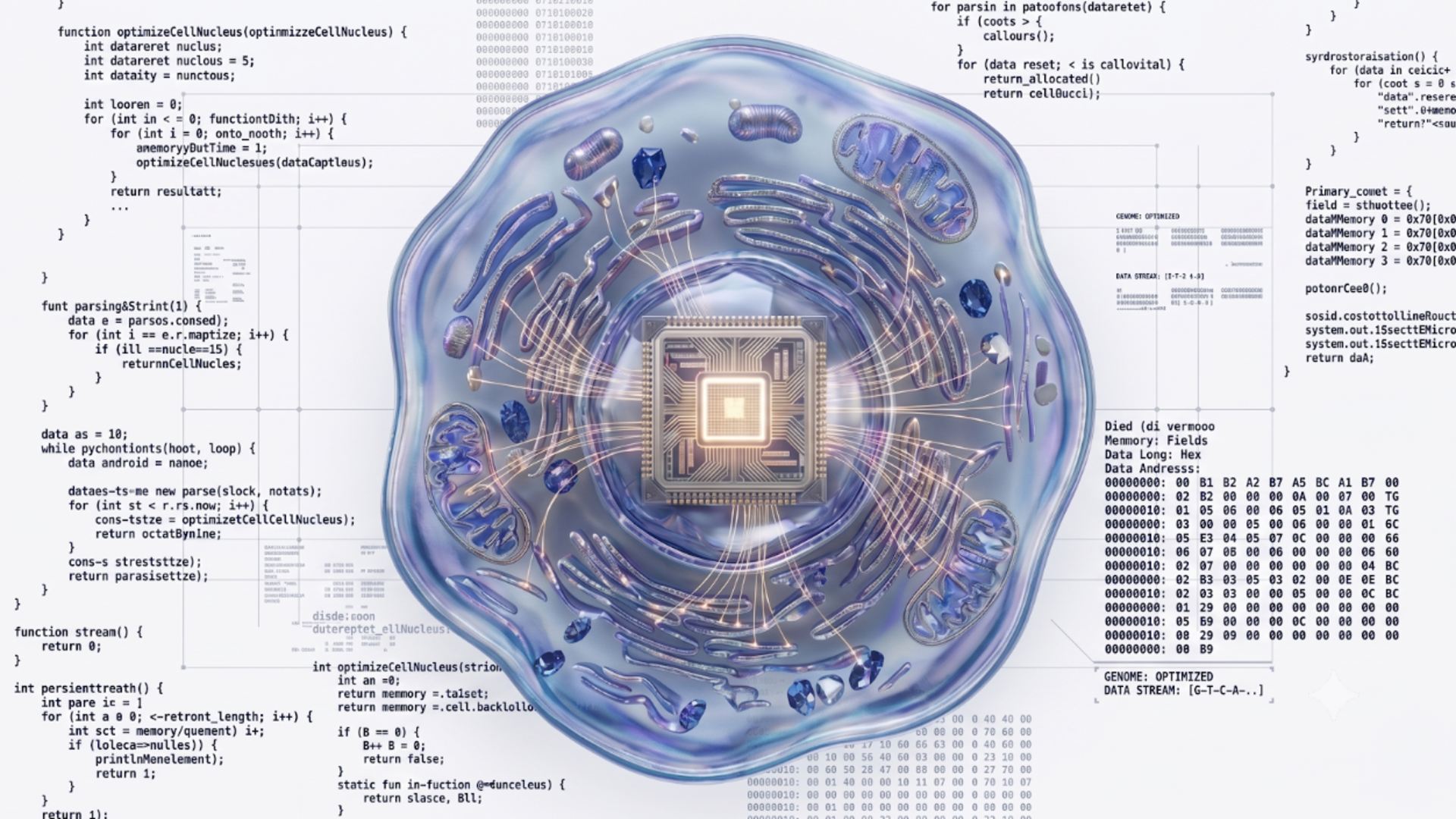
'Future medicines may be designed much like software' — How scientists programmed human cells to compute like tiny processors and target cancer using RNA trans-splicing
Programmable human cells that compute via RNA trans-splicing move therapeutics closer to software-like logic—disease detection and response encoded directly in biology. Biotech operators should be thinking in terms of compilers, verification, and versioning for cell programs, not just molecules.