
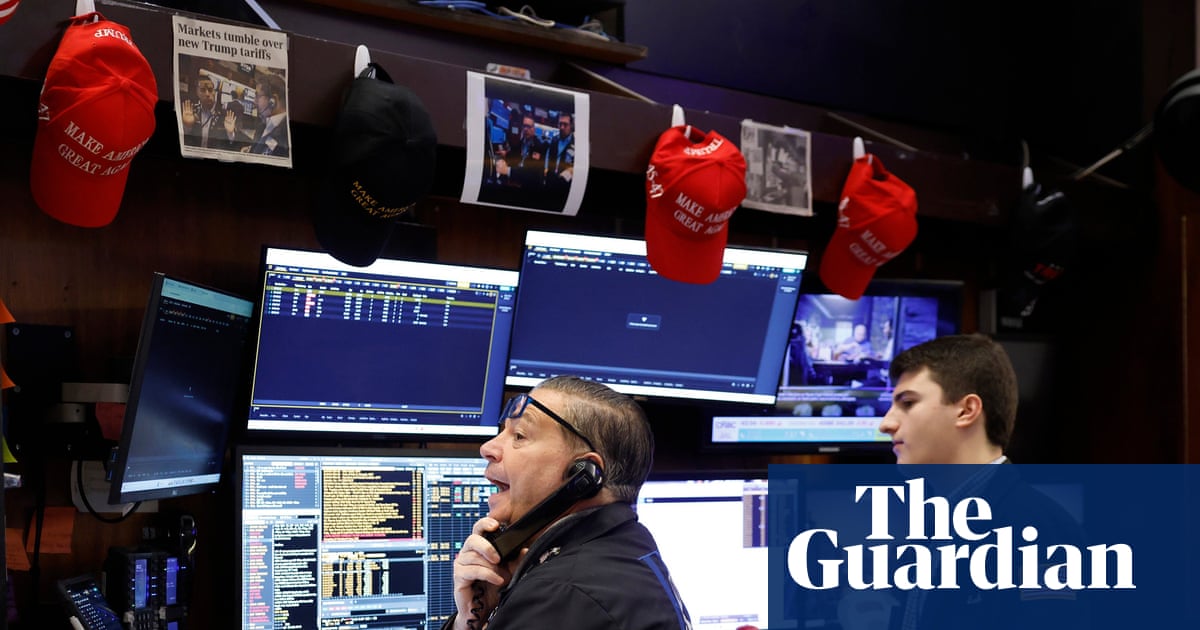
Nasdaq heading for worst day in 18 months as Wall Street sustains widespread losses
THE SO WHAT
If a 5% Nasdaq drop is being tied to tougher AI regulation after Democrats’ midterm gains, the cost of regulatory risk just got repriced into AI-heavy portfolios. Operators should expect higher scrutiny on AI roadmaps and disclosures — and treat policy engagement as a core part of capital planning, not an afterthought.
READ THE SOURCE
MORE FROM THE WIRE
 Tech & Innovation
Republicans Race to Give Trump More Power Over the FCC Before Losing the Senate
If an all-Republican FCC materializes, spectrum policy, net neutrality, and platform oversight could swing quickly toward lighter-touch regulation. Operators with exposure to connectivity, media, or online services should scenario-plan for a 6–12 month window of regulatory volatility rather than a stable multi-year regime.
 Tech & Innovation
AI Companies Brace for New Challenges After Democrats’ Win
AI vendors that optimized for proximity to one administration now face a reset on regulatory expectations, procurement, and lobbying narratives. If you’re building on third-party AI platforms, expect policy-driven roadmap shifts and start tracking how your key vendors talk about safety, labor, and data rights under the new Congress.
Tech & InnovationAI Fears Rattle Wall St., Safe Havens
When “AI fears” move rates and credit conversations on shows like Real Yield, AI risk is no longer a tech-sector story—it’s a macro input. CFOs should assume AI narratives can swing funding costs and investor appetite even if your own AI exposure is modest.
Tech & InnovationThe ‘Musk selloff’ deepens as Tesla and SpaceX combine for $450 billion two-day wipeout
A $450 billion two-day drawdown across Musk-linked names is a reminder that “Elon, Inc.” is now a single macro factor in public markets. Operators depending on Tesla, SpaceX, or xAI should model counterparty and execution risk as correlated, not independent.