

Neurable’s Wireless Headphones Track How Close Your Brain Is to Burnout
THE SO WHAT
EEG headphones that claim to track “how close your brain is to burnout” move workplace monitoring from keystrokes to cognition — that’s a different category of trust and liability. Before piloting neurotech wearables, decide who sees the data, how it can and cannot be used, and what happens when it contradicts HR or performance narratives.
READ THE SOURCE
MORE FROM THE WIRE
California man smuggled $300 million in Nvidia chips to China, prosecutors say
A $300M gray-market channel for Nvidia chips underlines how distorted the AI hardware supply-demand balance has become. If your roadmap assumes clean, predictable access to advanced GPUs, add export controls and diversion crackdowns to your risk register.
 Deep & Emerging Tech
Volantis raises $88M for a photonic memory layer built for AI inference
An $88M bet on a gallium-arsenide photonic memory layer—timed with a €153M indium phosphide pilot line opening in 2027—shows Europe leaning into vertical integration for AI inference bandwidth. If you’re planning 2027+ infra, start tracking photonic memory as a potential escape hatch from HBM and PCIe bottlenecks.
 Deep & Emerging Tech
Europe’s leaders rush to release diesel from stockpiles as fuel-shock hangs over U.S. midterms
Tapping diesel stockpiles to cool prices ahead of U.S. political pressure is a reminder that energy security decisions can move on electoral timelines, not industrial ones. If your logistics or manufacturing depends on diesel, treat policy calendars as an operational variable, not background noise.
 Deep & Emerging Tech
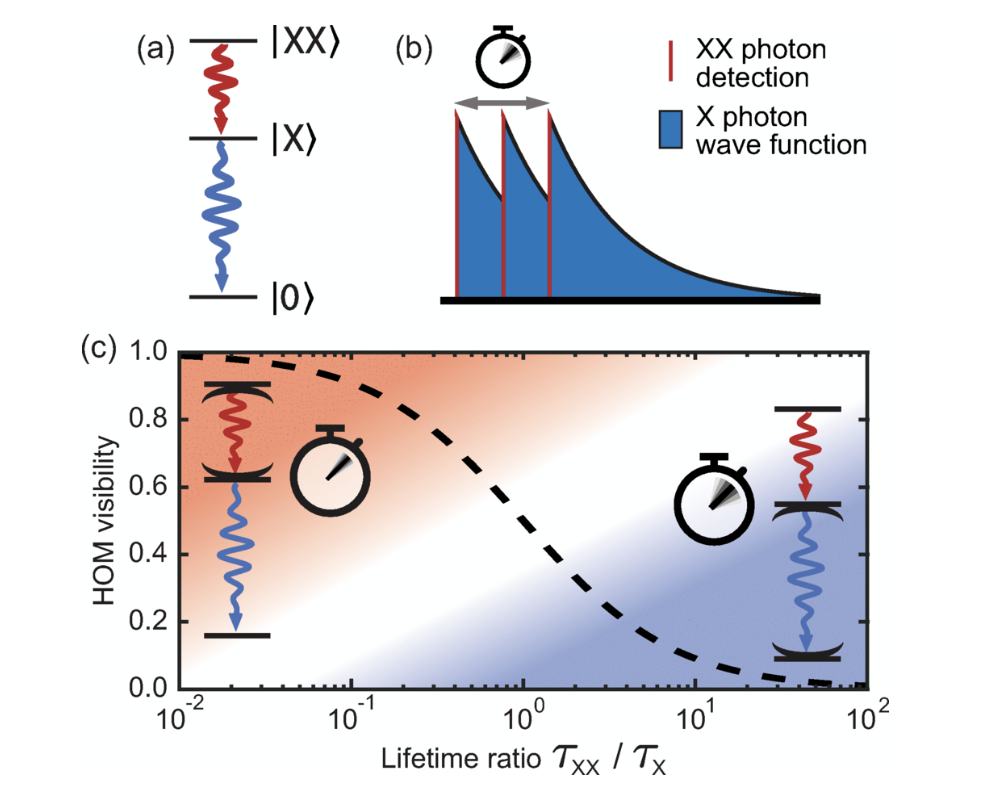
New Method Generates Photons That Are Virtually Indistinguishable
More reliable generation of indistinguishable photons is a foundational win for quantum communication, not a near-term product. Quantum-curious teams should log this as a 5–10 year enabler for secure links and networks, not something to re-architect around this budget cycle.