
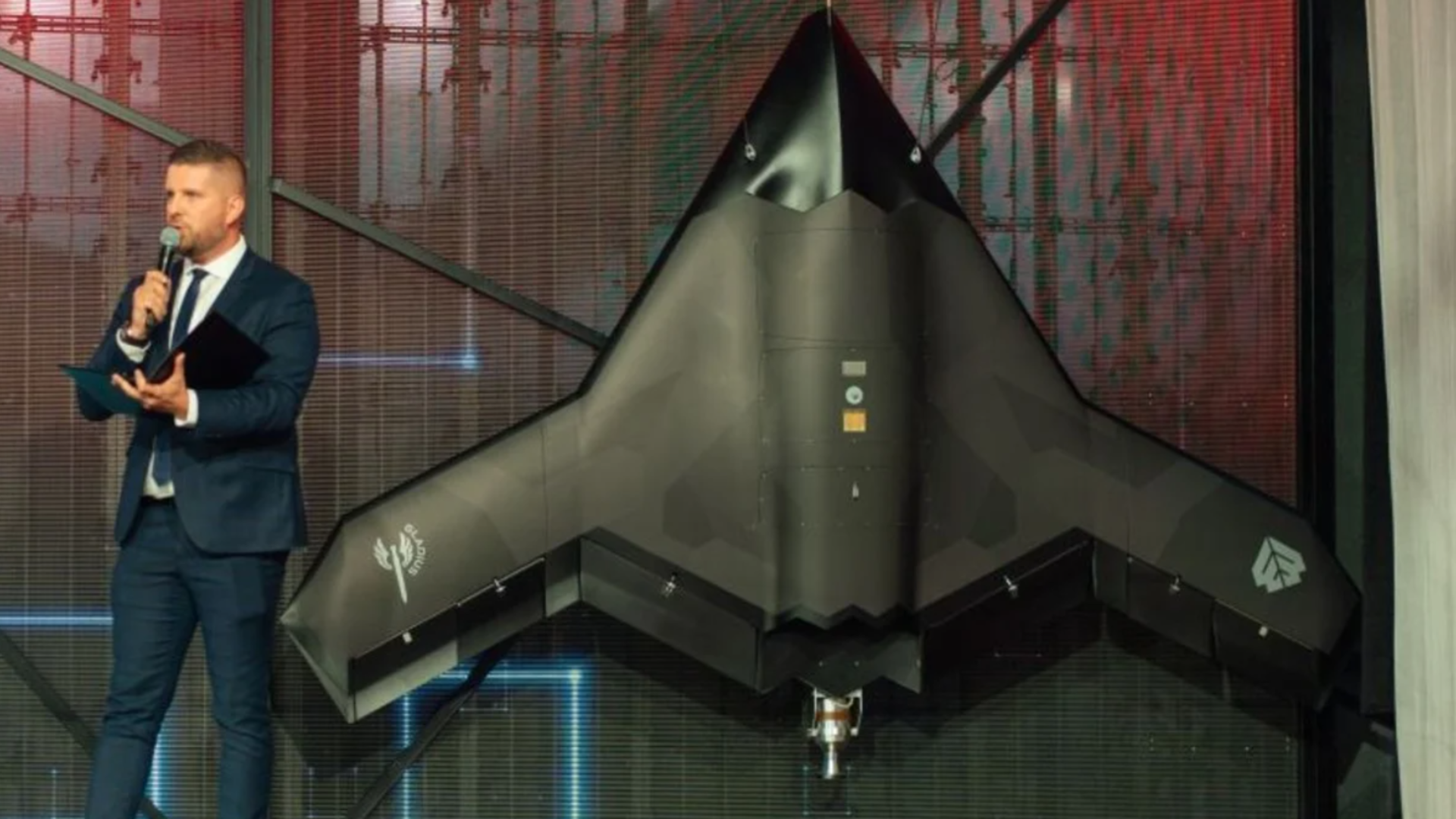
New Polish jet-powered drone looks a lot like a miniature B-2 Spirit stealth bomber, and there's a good reason why
THE SO WHAT
A 30 kg turbojet loitering munition with B-2-style low observability shows how quickly high-end design patterns are diffusing into small, disposable systems. Defense and critical-infrastructure operators should assume more capable, harder-to-detect drones in their threat models within a 2–4 year window, not a decade.
READ THE SOURCE
MORE FROM THE WIRE
 Robotics & Autonomy
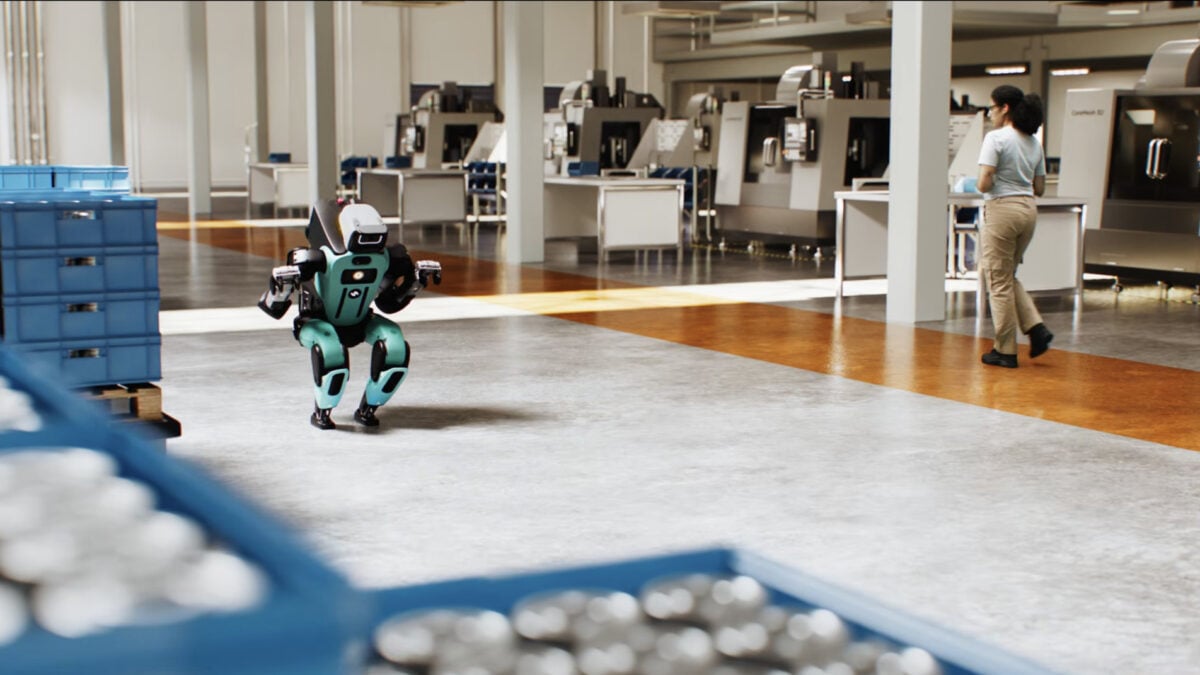
New Humanoid Worker Bot Seems to Cower When It Encounters Humans
Designing humanoids to visibly defer to humans is a UX and liability choice — not just a meme. If you’re piloting floor robots, expect "submissive" behaviors to become part of safety signaling and worker acceptance, and bake that into change management and SOPs.
 Robotics & Autonomy
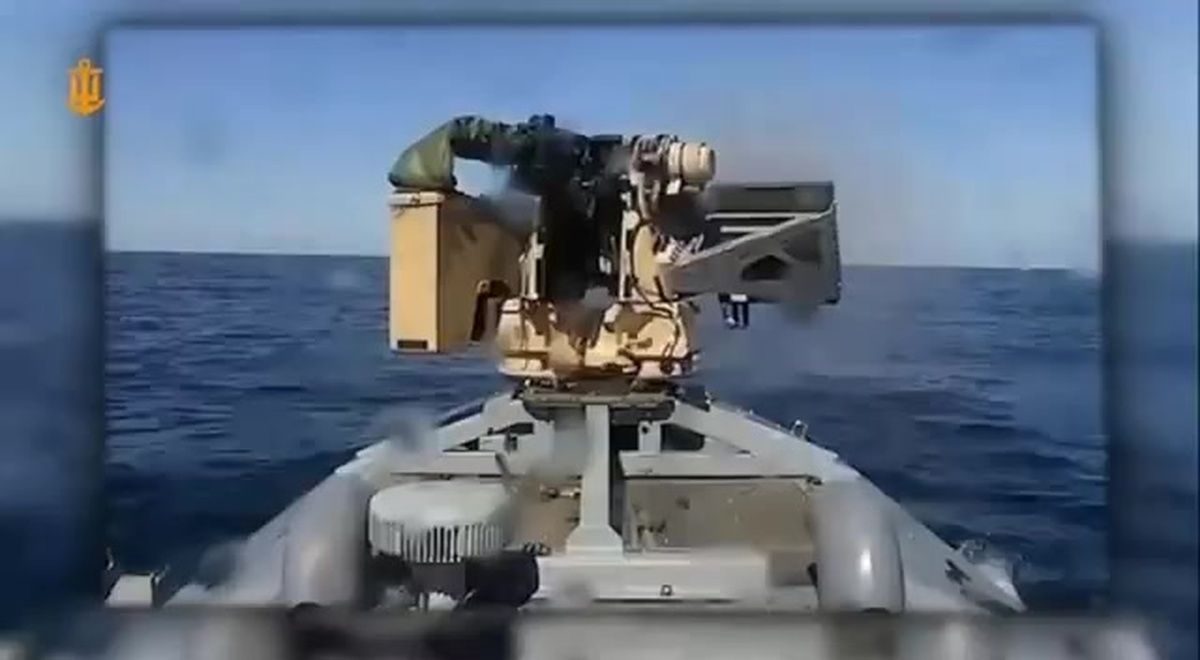
First ever battle between two autonomous naval drones 'won' by Ukraine thanks to a salvo from a remote weapon turret
Autonomous systems are now fighting each other at sea—defense, shipping, and offshore energy operators need to assume contested, drone-heavy environments as the baseline. Any maritime infrastructure plan that ignores low-cost unmanned threats is underestimating both risk and required sensing/defense spend.
 Robotics & Autonomy
Kids of 2026 Make Futuristic Predictions That Are Very Similar to the Kids of 50 Years Ago
The fact that kids still imagine “higher-class citizens” with robot butlers shows how persistent our mental model of automation-as-servant is. Builders should assume user expectations will default to anthropomorphic, high-agency helpers—and design guardrails and UX that channel that instinct without overpromising autonomy.
 Robotics & Autonomy
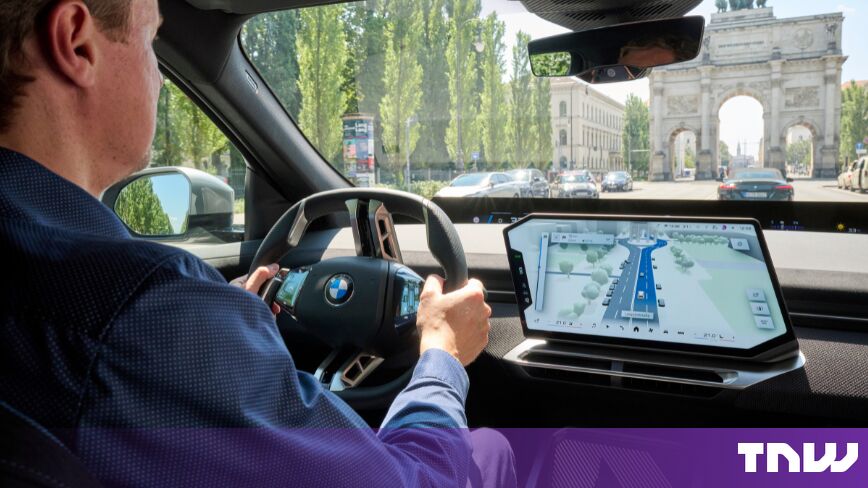
BMW will show navigation and driver assistance in one 3D view from October
BMW folding navigation and driver assistance into a single 3D view — with navigation-guided semi-automated urban driving targeted for 2027 in Germany — shows how UX is becoming the control surface for autonomy. If you sell into automotive or mobility, design for joint human–machine decision loops, not separate “map” and “assist” features.