

NextEra Energy, which partnered with Google to revive an Iowa nuclear power plant, gets a $1.9B loan from the Department of Energy to finance the refurbishment
THE SO WHAT
A $1.9B DOE loan to refurbish an Iowa nuclear plant for Google-backed power is a clear signal that AI-era compute will be paired with long-lived, zero-carbon baseload. If you’re planning large data or AI campuses, energy strategy now includes direct engagement with nuclear, not just PPAs for wind and solar.
READ THE SOURCE
MORE FROM THE WIRE
A food-safety expert explains why more recalls aren't necessarily a bad thing — and how AI plays a role
More recalls driven by AI detection means the system is catching issues earlier—headline risk goes up, but systemic risk goes down. Food and CPG operators should treat AI as part of core QA infrastructure and invest in traceability so they can move fast when the models flag a problem.
 Deep & Emerging Tech
Liquid Network halts new transactions after 'nice guy' hackers steal nearly all its Bitcoin — but then return most of it after a patch is issued
A sidechain losing nearly all its BTC, then getting most of it back from ‘nice guy’ attackers, is a reminder that security is still personality-dependent in parts of crypto. If you’re building on secondary networks, treat them as experimental finance rails—size exposure and treasury operations accordingly.
 Deep & Emerging Tech
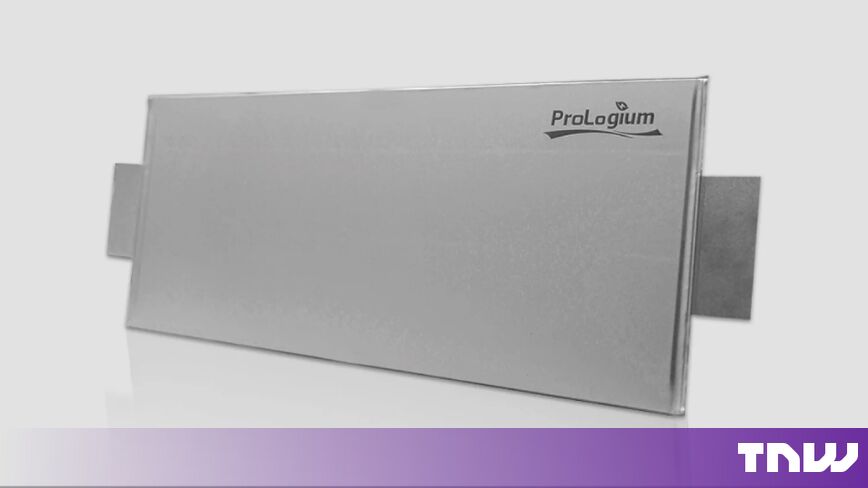
Solid-state batteries just went into mass production. The line makes 6,000 packs a year
ProLogium moving 381 Wh/kg solid-state cells into 6,000-pack annual production — with a 0.8 GWh European plant staged for 2028 — shifts solid-state from lab slide to supply-chain planning. OEMs and fleet operators should start modeling scenarios where higher-density packs are constrained by line capacity, not chemistry readiness.
 Deep & Emerging Tech
Guess What the Tech Industry’s Solution to Construction Labor Shortages Delaying AI Data Centers Is
If AI is being pointed at construction labor shortages for data centers, expect capex schedules to assume automation that doesn’t yet exist at scale. Operators depending on new capacity should separate marketing from reality — treat build timelines and labor availability as first-order risks, not afterthoughts.