
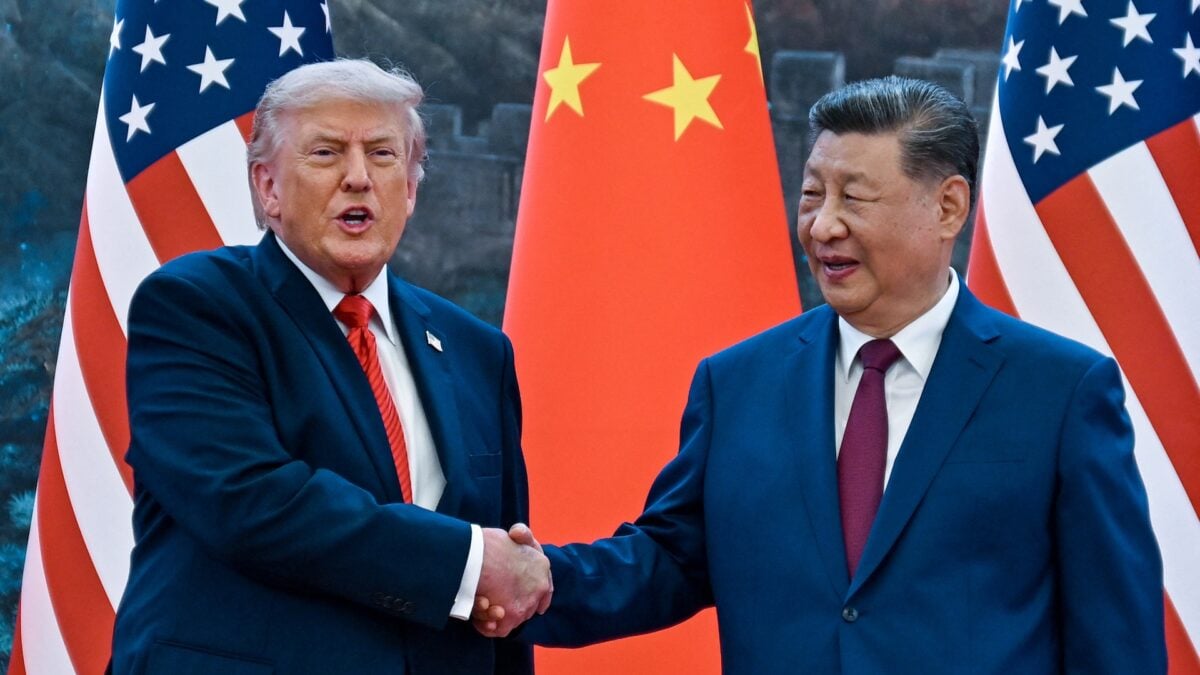
Nuclear Experts Offer China and US Solutions for AI Risks
THE SO WHAT
Nuclear strategists stepping into AI risk for US–China relations shows frontier models are now treated as potential triggers in great-power stability, not just economic tools. For any company building dual-use AI, expect more pressure for transparency, guardrails, and possibly bilateral norms that affect your export and deployment options.
READ THE SOURCE
MORE FROM THE WIRE
 Applied AI
OpenAI Reports New Safety Incidents, Sets Disclosure Plan
Safety incidents moving from rumor to structured disclosure means AI risk is becoming an operational, not just philosophical, category. If you’re deploying frontier models, assume incident reporting and postmortems will become a customer expectation and build your own playbook now.
Applied AIPalantir CEO Says AI Firms Responsible for Their Own Actions
Liability talk from a major AI integrator is a warning that “the model did it” won’t fly with regulators or courts. If you ship AI features, treat them like any other product risk surface—document decisions, log behavior, and assume you’ll need to prove due care.
Uber employees say AI is doing everything from writing support chat responses to answering questions in Slack
Linking layoffs to AI handling support and internal Q&A is the concrete version of “productivity gains” many teams have been hand-waving. If you’re rolling out similar tools, be explicit about headcount plans and redesign roles now—silent substitution breeds internal distrust fast.
 Applied AI
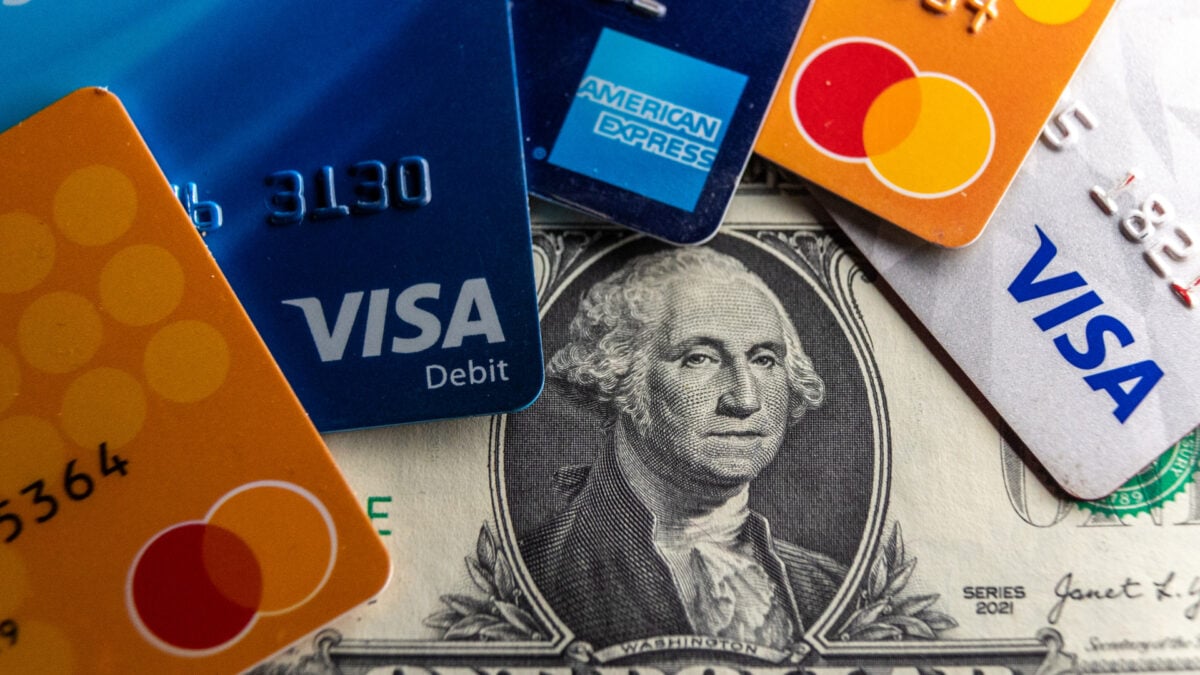
Mastercard Is Giving AI Agents Virtual Cards to Handle Your Shopping
Giving AI agents virtual cards moves agentic commerce from demo to payments rail—card networks are betting agents will be real transaction endpoints. Merchants and issuers need to start modeling fraud, dispute, and KYC flows where the “customer” is software with delegated authority.