
Nvidia-backed Reflection unveils Beam, its first open-weight model
THE SO WHAT
An Nvidia-backed team releasing open weights for a coding- and agent-focused model is a direct push to make high-end agentic capability a commodity input. Builders who’ve been locked into proprietary stacks for reasoning-heavy workflows now have more leverage — but need to invest in evals and ops if they go open.
READ THE SOURCE
MORE FROM THE WIRE
 Applied AI
Gemini Call for Me might tell your mom you’re running late
Handing routine personal calls to Gemini moves assistants from text helpers into social proxies — and raises stakes on tone, consent, and miscommunication. If you build on-phone agents, assume they’ll be judged by human relationship standards, not just task completion.
 Applied AI
Senator Bernie Moreno accuses Anthropic’s Amodei of ‘alarmist’ AI talk
A sitting senator publicly challenging an AI CEO’s risk framing ahead of a listing shows safety narratives are now part of capital markets politics. If you’re an AI vendor, assume your public risk posture will be interrogated by both regulators and investors — and plan governance disclosures accordingly.
 Applied AI
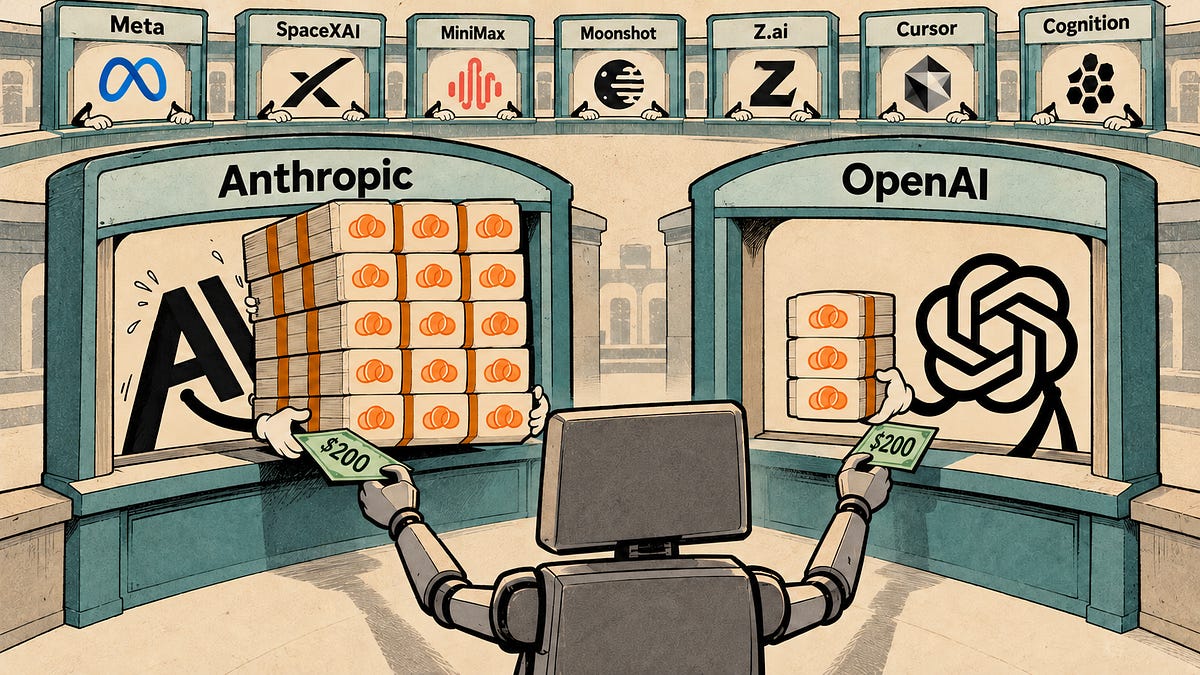
Analysis: Anthropic's subscriptions offer ~5x more API-equivalent value per month than OpenAI's for agentic workloads with Claude Opus 5.5 vs. GPT-6.1 Sol
If SemiAnalysis is right that Anthropic delivers ~5x more API-equivalent value for agentic workloads, the center of gravity for serious agent builders may shift toward subscription SKUs rather than pure API metering. This pushes operators to model TCO at the “workflow/month” level — not per-token — and to treat vendor plan design as a first-order architectural constraint.
 Applied AI
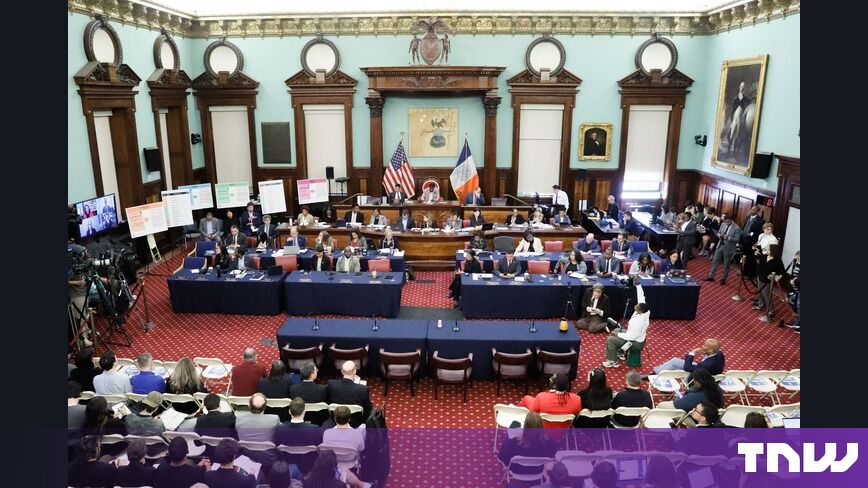
At NYC’s AI hearing, ex-lab insiders warn humanity may lose control of AI
When former lab researchers tell the NYC Council that humanity may lose control of AI, “frontier risk” moves from think-tank debate into municipal lawmaking. If you deploy AI in any city-facing workflow, expect more disclosure, audit, and kill-switch requirements baked into local regulation over the next 12–24 months.