
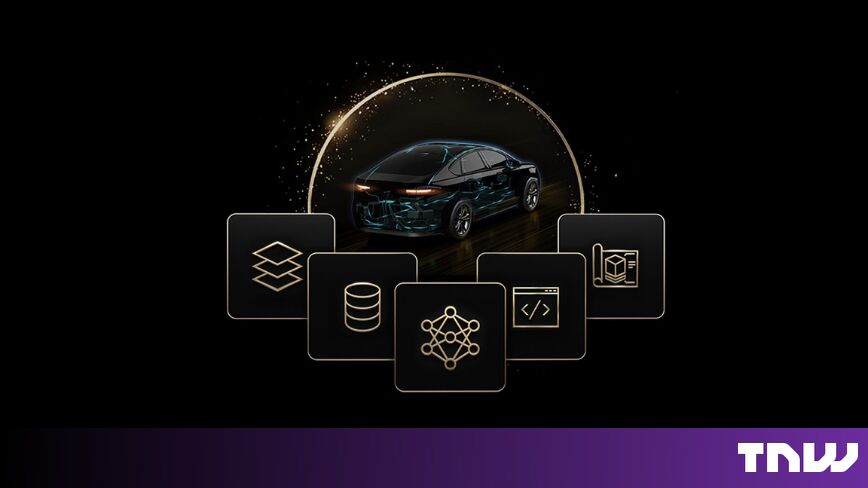
Nvidia opens up Alpamayo 2, a driving model that reasons out loud
THE SO WHAT
A commercially usable driving model that explains its routing and decisions is a step toward auditable autonomy — not just better perception. If you operate fleets or build AV stacks, start testing whether “reasoning out loud” actually improves debugging, safety case documentation, and regulator comfort before you bet on it.
READ THE SOURCE
MORE FROM THE WIRE
 Robotics & Autonomy
Waymo opens up robotaxi service in Dallas to everyone
Dropping the waitlist in Dallas moves robotaxis from controlled pilots to real urban transport infrastructure in another major US market. City planners, insurers, and mobility operators now need to model AVs as a persistent supply of rides—not a demo—when they think about traffic patterns, curb space, and pricing power.
 Robotics & Autonomy
Elon Musk spends half his time talking robots and AI on Tesla earnings calls
When half of Tesla’s earnings airtime is about robots and AI, it’s a signal to capital markets that the company wants to be valued as a physical AI and autonomy platform, not a car OEM. If you’re in adjacent hardware or mobility, expect investor questions to shift from units and ASPs to software leverage, data moats, and autonomy roadmaps.
 Robotics & Autonomy
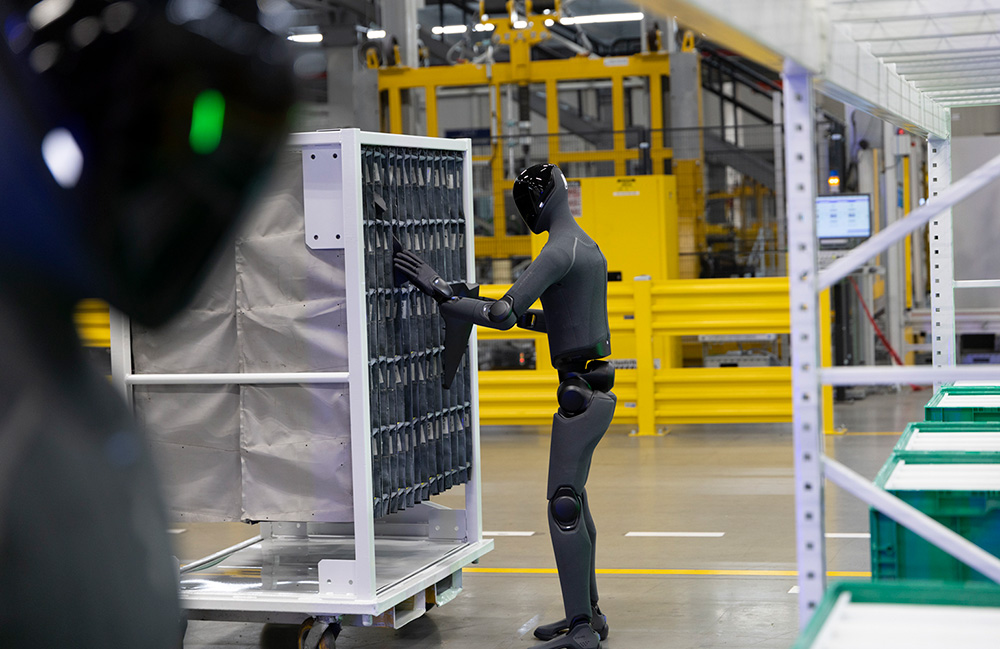
Humanoids won’t scale on factory floors until costs drop
The constraint on humanoids in factories is unit economics, not just intelligence — capex, uptime, and integration cost still lose to fixed automation and humans. If you run manufacturing, treat humanoids as a targeted pilot for edge cases, not a near-term headcount replacement, and demand clear TCO math from vendors.
 Robotics & Autonomy
Keep your pool sparkling clean with 50% off the AIPER Scuba X1
Consumer pool robots at 50% off are a reminder that niche home autonomy is commoditizing fast — specialized robots will hit price points long before general-purpose ones. If you build consumer hardware, narrow, high-frequency chores still look like the best entry point for practical autonomy.