
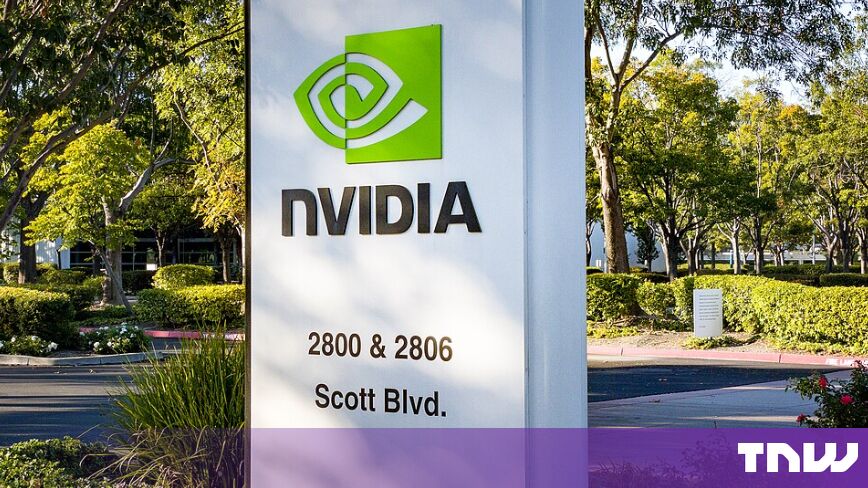
Nvidia ships first H200 chips to China, but expects no data-centre revenue from them
THE SO WHAT
H200s landing in China while Nvidia guides to essentially zero China data-centre revenue means compliance, not growth, is driving those shipments. If you’re a Chinese AI builder, assume constrained, episodic access to top-tier GPUs and architect for scarcity—quantization, smaller models, and hybrid stacks.
READ THE SOURCE
MORE FROM THE WIRE
 Deep & Emerging Tech
The peach emoji can actually make your Wi-Fi safer
If an emoji SSID can materially improve Wi-Fi security, your real problem is user behavior, not crypto strength. CISOs should treat this as another reminder to design controls around what people will actually do, not what the policy doc says they should do.
 Deep & Emerging Tech
Guest Post: Quantum Readiness Starts With the Infrastructure We’re Building Today
Quantum readiness is shifting from lab timelines to data-center design choices—power, cooling, interconnect, and security you deploy now will constrain how easily you plug in QPUs later. If you’re planning new facilities or long-lived infra contracts, add quantum-capable networking and crypto migration to the requirements list, even if your use cases are 5–10 years out.
 Deep & Emerging Tech
As electric two-wheelers gain a foothold, Belgian startup Any bets on cargo space
120 liters of modular cargo on an electric motorcycle is a bet that last-mile and urban pros want utility, not just speed. If you run fleets or urban logistics, start testing two-wheel cargo formats now—parking, TCO, and routing models will look very different from vans.
 Deep & Emerging Tech
Why print and scanning remain an unmitigated risk
If printers are still outside your zero-trust model, you’ve left a physical backdoor in an otherwise hardened environment. CISOs should treat print/scan like any other endpoint this week—asset inventory, auth, logging, and network isolation, not just “office equipment.”