

Opaque recurrence, and other AI terms that you should probably know
THE SO WHAT
If your exec team can’t parse terms like ‘opaque recurrence’ or ‘latent space’, you’re flying blind on risk and opportunity. Treat AI vocabulary as board-level literacy — not trivia — because vendors, regulators, and your own engineers are already negotiating in this language.
READ THE SOURCE
MORE FROM THE WIRE
 Applied AI
The rise of searching for hard ROI in the CFO role
Finance leaders are done funding "time back" experiments — with 84% of orgs deploying AI and only 7% seeing high impact, the bar is shifting to cash outcomes on working capital, revenue, and cost of goods. If your AI initiative can’t be traced to line items like DSO, churn, or headcount avoidance, expect CFO pushback or budget cuts in the next planning cycle.
 Applied AI
AI agent reliability requires a new model of observability
Once agents can hit production systems, logs and traces stop being enough — you need to observe goals, tools, and policies, not just API calls. Teams deploying agents should be budgeting for agent-native observability the way they did for APM a decade ago, or they’ll be blind when autonomy misfires.
 Applied AI
'The Half-Life 2 of AI': Saber executive thinks the controversial tech will create great games someday — but I’m not so sure
Game studios are openly framing AI as a generational platform shift — but the internal split between creative upside and labor risk is still unresolved. If you run a content-heavy pipeline, you need a clear AI stance for both unions and players before tooling choices become PR events.
 Applied AI
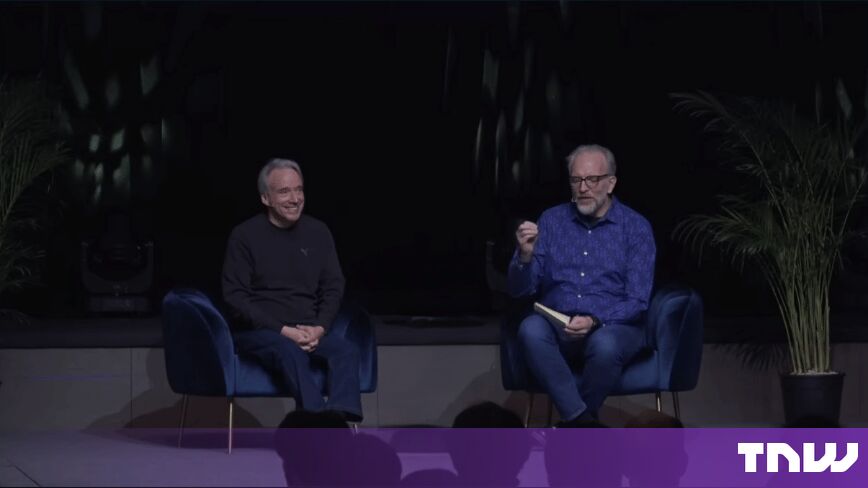
Torvalds joked that AI made Linux 7.3-rc2 this big, and nobody checked
Torvalds’ joke about AI bloating Linux 7.3-rc2 landed because nobody could immediately rule it out — that’s the new baseline suspicion around toolchains. If you’ve quietly wired AI into your build or review stack, you need explicit guardrails and provenance or every regression will be blamed on the black box.