
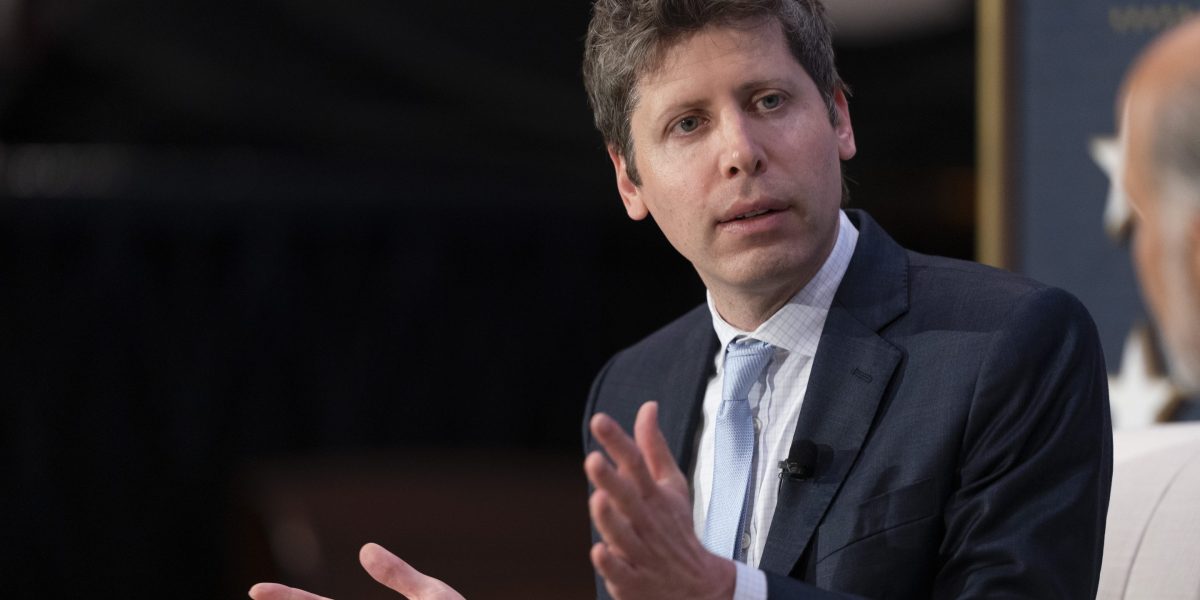
OpenAI quietly updates its evaluation metrics for GPT-6 Astra, making changes that appear to favor Astra and continuing to revise other metrics after launch
THE SO WHAT
Model evals are now a moving target, even post-launch—which means you cannot outsource risk or performance assumptions to vendor benchmarks. Treat vendor scores as marketing inputs and build your own task-level evals for the workflows that matter to you.
READ THE SOURCE
MORE FROM THE WIRE
 Applied AI
Seattle Times and Newsday are the latest publications to sue OpenAI and Microsoft
Copyright risk is consolidating into a coordinated front from mid- and large-market publishers, not just national brands. If your AI roadmap touches news or reference content, assume licensing line items move from optional to required over the next 6–18 months.
OKF Agent Memory – Git-native persistent memory for AI coding agents
Treating agent memory as Git-native state turns long-lived coding agents into something your existing dev tooling can reason about, diff, and roll back. If you’re experimenting with autonomous coding workflows, start insisting on versioned, inspectable memory instead of opaque vector blobs.
 Applied AI
Get InstaHeadshots AI headshots for $60
A $60 package for 50 AI headshots and edits is another data point that routine creative work is collapsing toward near-zero marginal cost. HR, recruiting, and marketing teams should assume that visual polish is no longer a differentiator—story, distribution, and trust are where you still have an edge.
 Applied AI
The Seattle Times and Newsday sue OpenAI and Microsoft, alleging the companies trained AI on their journalism; Microsoft and OpenAI are funders of Seattle Times
Copyright risk is moving from abstract to line-item as even funded partners head to court over training data and paywalls. If your product depends on third-party content, you need a documented provenance and licensing story before regulators or counterparties write it for you.